
Foreword
What if public spending treated nature as a necessity, not a nice-to-have?
In Scotland, large-scale nature recovery – and our associated resilience to climate change – is currently funded by a fragmented mix of public grants, private donations and emerging markets. The limited amount of money available for nature recovery is only part of the problem. The other issue is how these financial flows affect human behaviour. What impact do funding options, or the lack of them, have on the choices land managers make? How do these choices ultimately shape our environment?
We have created a landscape of contradictions. “Business as usual” approaches are rewarded with secure, well-defended, and significant funding. Meanwhile, those who diverge from the status quo in nature’s name must navigate a wilderness of competitive, complex and precarious grants.
Only the truly committed would choose the second route. We’re lucky, in Scotland, that so many people already have.
But is the current funding system broadening our horizons – or narrowing the choices land managers can make?
With national and international biodiversity targets looming, we have a vital opportunity for fresh thinking. This collection of papers maps a new way forward. It brings together research, case studies and perspectives from practitioners, researchers and stakeholders to examine how land used for nature is currently funded in Scotland. It is intended to inform discussion and policy development rather than represent a comprehensive assessment of all land managers or funding recipients.
We begin with a clear-eyed explainer of our current system, followed by an in-depth review of the Nature Restoration Fund – an unprecedented public investment into nature recovery. We then analyse stakeholder perspectives on how the Rural Payments System could be repurposed for nature recovery, and finally, we look abroad for the best international examples of coexistence funding – incentivising a peaceful future alongside our native wildlife.
Together, these papers ask a single, urgent question: How do we build a financial foundation for nature that’s as resilient as the landscapes we hope to restore?
Our keystone recommendations
- Carry out an independent review of the Rural Payments System: Commission a review of the current system against delivery of public goods and implement reforms based on outcomes that prioritise biodiversity, nature restoration, food production and community benefit across all land uses.
- Bring back and increase funding for the Nature Restoration Fund, allowing land managers of all types to access funding for nature restoration projects. Significantly increasing the fund would unlock hundreds more initiatives, allowing nature restoration to happen more quickly.
- Explore a Human-Wildlife Coexistence Fund to encourage human coexistence with wildlife, using a participatory process to design an equitable, multi-year fund that reflects place-based values. The proposed fund would be designed to operate across multiple species, focusing on shared principles of coexistence rather than species-specific compensation.
Chapter 1: Gaps in the System: how nature is funded in Scotland
Summary
Rewilding or large-scale nature restoration offers major public goods, reducing climate breakdown, improving flood resilience and offering many health benefits, from healthy air to nourishing food. But the current mix of public and private funding is not designed to support ecological restoration.
The funding available to deliver rewilding in Scotland is patchy and inadequate. Public money for nature restoration is limited and excessively bureaucratic, while green finance markets are underdeveloped and poorly regulated. Political appetite to secure funding routes for rewilding from public sources has so far been limited, while regulatory proposals have focused on large-scale natural capital approaches and not rewilding specifically.
The Scottish Government’s Vision for Agriculture reform aims to support farmers and crofters to deliver sustainable and regenerative agriculture, but is not designed to deliver large-scale nature restoration. Since more than 80% of Scotland’s land is agricultural, we cannot possibly meet nature and biodiversity goals without integrating funding for them into mainstream agricultural funding. The Agriculture and Rural Communities Act creates new powers – but how they might be used to support rewilding is unclear. The Forestry Grant Scheme and Peatland Action Fund offer habitat-specific, competitive payments but with limited support for long-term ecological management of land.
Emerging private finance mechanisms, underpinned by the Ecosystem Restoration Code, may help mobilise new investment in nature. But these are untested and leave gaps in the funding infrastructure. Over-reliance on private finance mechanisms can risk inequity and unintended consequences.
Funding sources for large-scale nature recovery
Public funding
The place of rewilding in public funding schemes is unclear and the Scottish Government has proved unwilling to seriously engage with the issue. While some public funding can be used for rewilding and large-scale nature restoration, it is rarely fit for purpose.
- The Agri-Environment Climate Scheme (AECS) supports some rewilding-compatible actions, such as peatland restoration and native woodland creation, but it’s not designed for large-scale ecological regeneration. Funding is short-term, overly competitive (meaning many sites lose out) and geographically patchy. The scheme is bureaucratic and some users report they would rather exit the scheme than access this funding again.
- Scotland’s Agricultural Reform Route Map proposes a new four-tier payment system, but there is no clear place for active rewilding within its structure. A narrow focus on “productive agriculture” risks excluding non-farmed land uses that provide biodiversity gains and vital ecosystem services such as flood mitigation and carbon storage.
- The Nature Restoration Fund (NRF) introduced in the 2021-26 parliamentary session has invested in some ambitious projects – but funding windows are short, funds are limited and the fund is heavily oversubscribed.
- Local councils operate Nature Restoration Fund allocations for small-scale habitat and community biodiversity projects.
- The Scottish Marine Environmental Enhancement Fund (SMEEF) supports coastal and marine restoration.
- Facility for Investment Ready Nature in Scotland (FIRNS) is a blended public funding facility co-funded by the Scottish Government and The National Lottery Heritage Fund. It helps projects become investment-ready to attract future private capital.
- The National Lottery Heritage Fund (NLHF) provides grants for biodiversity and landscape restoration projects.
- The Forestry Grant Scheme provides grant funding to create new woodlands, including a small proportion of grant funding for natural regeneration. The natural regeneration option, however, dictates minimum stocking densities of 400 trees per hectare and an average height of over 0.5 metres. The Forestry Co-operation option provides support for project facilitation and coordination among multiple landowners.
- The Peatland Action Fund is Scotland’s primary public funding mechanism for peatland restoration, delivered by NatureScot. It provides grants to restore peatland. However, its outcomes focus on stable, functioning peat bogs rather than a dynamic habitat mosaic and the funding model does not support long-term choices.
- The Scottish Environment Protection Agency (SEPA) occasionally provides funding for water catchment restoration projects, wetlands and riparian habitat creation.
Alternative public funding measures
- Scotland lacks mandatory Biodiversity Net Gain (BNG) or nutrient neutrality rules.
- Future Economy Scotland has proposed an alternative investment model to the Scottish Government’s emerging private-finance-led approach. This model focuses on aligning finance with public benefit rather than trying to make nature restoration itself commercially profitable for private investors. It proposes zero-interest, income-contingent loans to fund restoration projects.
- Post-Brexit, some residual or transitional EU-derived environmental funds (e.g., LIFE programme projects) have been used for large-scale habitat restoration in Scotland, though this is now limited.
Private finance
Interest in natural capital investment is growing, especially in carbon markets (e.g. through Peatland Code, Woodland Carbon Code). However, biodiversity and ecosystem service markets remain largely aspirational. Meanwhile, innovative financing models (e.g. blended finance, environmental impact bonds, community benefit agreements) are emerging.
- The Woodland Carbon Code and Peatland Code are credit standards that allow woodland and peatland restoration projects to generate carbon credits that can be sold to private buyers (such as businesses and investors). These codes provide independent verification and help projects attract voluntary private investment.
- A Natural Capital Market Framework was published by the Scottish Government in 2024.
- The Scottish Government recently consulted on an Ecosystem Restoration Code.
- Nature Investment Partnerships being developed by NatureScot aim to pool private capital (e.g., institutional investors) into larger landscape-scale restoration alongside public support.
Philanthropic finance
- Environmental charities and trusts (e.g., Scottish Wildlife Trust, Borders Forest Trust) can use philanthropic donations to fund land acquisition and long-term restoration work. For example, the Esmee Fairbairn Foundation and the Sigrid Rausing Trust.
- Administered by Inspiring Scotland, the Neighbourhood Ecosystem Fund supports community-led ecosystem restoration with Scottish Government NRF support plus philanthropic match funding (e.g., Carman Family Foundation).
- There are smaller funds from local trusts, e.g., Highland and Islands Environment Fund, which support habitat connectivity and restoration.
- New philanthropic funds are emerging (e.g. Blue Carbon Fund for Scotland).
- Some projects have made use of crowdfunding to fund initiatives.
Funding streams compared
This table summarises the funding streams available for nature restoration in Scotland.
TABLE 1: FUNDING OPTIONS FOR LARGE-SCALE NATURE RESTORATION
| Funding Stream | Source | Scope | Type | Likely timescale | Rewilding compatibility | Key limitations |
| Agri-Environment Climate Scheme (AECS) | Public | National | Competitive project-level grants | 1 – 5 years | Supports peatland restoration, native woodland creation; small-scale natural regeneration | Short-term, competitive, patchy; bureaucratic; prioritises productive agriculture; limited landscape-scale impact |
| Agricultural Reform Route Map (4-tier payments) | Public | National | Annualised payment framework | 1 – 10 years | Currently no clear place for rewilding | Focus on “productive agriculture”; may marginalise natural regeneration, species reintroductions, non-farmed landscapes |
| Nature Restoration Fund (NRF) | Public | National | Competitive project-level grants | 1 – 3 years | Can fund ambitious projects and landscape-scale restoration | Short funding windows; limited funds; competitive; smaller local allocations may not support long-term or dynamic rewilding |
| Local council NRF allocations | Public | Local | Competitive project-level grants | 1 – 2 years | Can fund small-scale habitat and biodiversity projects | Limited scale; short-term; may not support dynamic processes |
| Scottish Marine Environmental Enhancement Fund (SMEEF) | Public | Coastal & marine projects | Competitive project-level grants | 1 – 3 years | Supports seagrass, oyster beds, saltmarsh restoration; potential for marine rewilding | Small-scale; project-specific; limited duration |
| Facility for Investment Ready Nature in Scotland (FIRNS) | Public / private | Prepares projects for private investment | Blended finance | 1 – 2 years for project plan | Supports rewilding-compatible projects becoming investment-ready | Focused on project preparation; doesn’t provide direct on-the-ground restoration funding |
| National Lottery Heritage Fund (NLHF) | Public / philanthropic | National; project grants | Competitive project-level grants | 1 – 5 years | Can fund habitat restoration, acquisition, long-term projects | Competitive; project-specific; limited funds; short-term |
| Forestry Grant Scheme (FGS) | Public | National; woodland creation and management | Competitive project-level grants | 5 – 25 years | Supports native woodland, natural regeneration (minimum 400 trees/ha); woodland connectivity | Prescriptive; locks land into forestry; minimum stocking density & tree height; excludes open, dynamic habitats |
| Peatland Action Fund | Public | National; peatland restoration | Competitive project-level grants | 5 – 15 years | Restores hydrology; passive recovery post-intervention; large-scale | Prescriptive; carbon-focused; stabilises bogs rather than dynamic mosaics; ignores trophic/ecological processes |
| Scottish Environment Protection Agency (SEPA) grants | Public | Catchment-scale; wetlands & riparian habitat | Competitive project-level grants | 1 – 5 years | Can support habitat corridors and rewilding-linked restoration | Project-specific; limited scale; tied to water quality objectives |
| Future Economy Scotland model | Public | Conceptual / national | Conceptual income-contingent loans | 5 – 15 years | Could allow restoration aligned with public benefit; adaptable | Not implemented; conceptual; dependent on loan repayment or subsidy |
| Residual EU funds (e.g., LIFE) | Public (EU) | Large-scale habitat restoration | Competitive project-level grants | 3 – 10 years | Can support landscape-scale restoration | Limited availability post-Brexit; time-bound; project-specific |
| Woodland Carbon Code / Peatland Code | Private | Voluntary carbon markets | Carbon credit standards | 10 – 30 years | Generates private revenue; can fund restoration compatible with rewilding | Carbon-focused; prescriptive; standardised; may prioritise investor returns over ecological dynamism |
| Natural Capital Market Framework | Private | National guidance | Market framework | Supports emerging private finance for ecosystem services | Early-stage; markets for biodiversity and broader ecosystem services still limited | |
| Ecosystem Restoration Code | Private | National | Proposed code | Potential to support large-scale restoration and rewilding | Not yet implemented; consultative | |
| Nature Investment Partnerships (NIP) | Public / private | Landscape-scale projects | Blended finance | 10 – 25 years | Pools private capital with public support; potential for large-scale rewilding | Dependent on private finance returns; may favour lower-risk projects; still emerging |
| Philanthropic environmental trusts | Philanthropic | Variable; land acquisition & long-term restoration | Philanthropic grants | Supports acquisition, restoration, experimental rewilding | Scale and timing variable; often project-dependent | |
| Neighbourhood Ecosystem Fund (Inspiring Scotland + philanthropic match) | Philanthropic / blended | Local / community projects | Philanthropic grants | 1 -3 years | Supports community-led ecosystem restoration; can align with rewilding principles | Small-scale; dependent on matching funds; short-term project windows |
| Local trusts | Philanthropic | Local / regional | Philanthropic grants | 1 – 5 years | Supports habitat connectivity and restoration | Small-scale; project-specific; dependent on fundraising |
| Crowdfunding | Philanthropic | Variable | Philanthropic grants | Can be well suited depending on design | Small-scale; project-specific; dependent on fundraising |
Closing the gaps in the system
Under the current system, land managers need a reliable way to earn income before they can reduce their reliance on agricultural subsidies or timber grants. Without this option, the largest, most easily accessible funding pots drive land management choices, with only a handful of pioneers and innovators chasing a few smaller, competitive pots. This creates a system that encourages the continuation of the status quo despite the nature emergency.
The lack of long-term, stable funding that incentivises dynamic ecological succession and a mosaic of habitats is holding Scotland’s nature back.
Public funding can provide stable income that allows land managers to plan for the long term, while ensuring that shifts toward rewilding are socially just, accessible to a diverse range of land managers and aligned with rural economic wellbeing. Public funding can also drive collaborative behaviour, like farmer clusters working across boundaries, shared peatland or river catchment restoration and coordinated species reintroductions.
Land managers who want to scale up their work for nature or change the way they steward their land are currently held back by the public payments system – but can’t access suitable private finance. A fair transition to a wilder Scotland requires shared investment – and shared benefits.
Chapter 2: Bigger, Better and Wilder: the return of the Nature Restoration Fund
Written by Emily Simpson and Charlotte Maddix
Summary
Scotland has ambitious environmental goals but has not yet developed a funding strategy to match them. Actively managing more land for rewilding will help Scotland meet these goals. Public funding for nature, like the game-changing Nature Restoration Fund (NRF), offers the potential to support this work. But is the fund big enough? Could it be easier to access? And is it well suited to dynamic land management approaches like rewilding?
In short, how could it be bigger, better and wilder?
This briefing presents findings from a subset of interviewed participants who have been awarded funding from the NRF. It gives insights into ongoing successes and recommends improvements that could be made to the fund in future.
Our recommendations
- Bring back and increase funding for the Nature Restoration Fund, allowing land managers of all types to access funding for nature restoration projects. Significantly increasing the fund would unlock hundreds more initiatives, allowing nature restoration to happen more quickly.
- Introduce multi-year funding, allowing flexibility to improve deliverables and appropriate staffing capacity. This will also encourage greater ambition in projects and improve their longevity, especially for interventions that require longer timescales.
- Integrate schemes more effectively, aligning project goals across funding streams to avoid conflicting incentives and ensure participants feel confident applying to multiple funding schemes.
- Offer training for funding officers, ensuring that guidance is always available – particularly for first time participants – and that bureaucratic hurdles do not limit outcomes.
- Make field-based visits available to funding officers so that context-specific details can be better understood.
- Reduce the administrative burden for grant recipients by streamlining the reporting process, particularly for smaller awards (for example, allow quarterly reporting rather than monthly).
- Offer applicants more project development support, to enhance the quality of projects and encourage more participation.
About the Nature Restoration Fund
Following the 2021 Scottish Parliament election, the Bute House Agreement between the SNP and Scottish Green MSPs resulted in a commitment to a new £65 million Nature Restoration Fund.
The Nature Restoration Fund offered many rewilders and other land managers an opportunity to fund ecological restoration projects during this parliament. We have identified at least 24 terrestrial projects with rewilding aims who have received competitive funding, as well as a number of others whose aims include ecological restoration. With limited alternative funding options, the NRF has been transformative for some rewilding projects, allowing them to embark on vital ecological restoration. We would like to see NRF funding continue in the future.
However, the design of the fund has presented barriers. As a time-limited, competitive fund, it’s poorly suited to rewilding, which requires long-term thinking and long-term funding. Short-term grants force projects to chase outcomes, preventing project leaders from building capacity, developing strong roots and making long-term decisions. Conflict between different funding streams can leave applicants confused and uncertain. Administrative burdens can present barriers to projects.
Methodology
To understand how the fund is used for rewilding, we contacted funding recipients (from 2021 onwards) across a range of sectors and with varied award amounts. We heard from rewilding projects including river and wetland restoration, farmland rewilding, woodland and agroforestry, a marine/coastal project and a restored golf course.
10 core contacts were sent a questionnaire or offered an interview to feed back on how they had used the awarded funding, describe their successes and challenges, and suggest any recommendations.
Case study
Fife Golf Trust was awarded funding under the Nature Restoration Fund to implement natural regeneration and/or small-scale rewilding on one of its golf courses. The funding enabled this organisation, relatively new to implementing nature recovery work, to tailor the project to the needs of all involved.
A licensing delay meant that only 2 of the 4 proposed interventions went ahead, limiting successful outcomes of the project.
They found that the administrative burden associated with any funding of this kind was less arduous than other similar funding sources, making the scoping stage for planned interventions more open. They found the support officer very helpful in answering any queries or concerns that arose throughout the project. This was noted as particularly beneficial for a small team who may not otherwise have capacity to complete the project.
Overall, their feedback included a need for better communication between agencies (in this case NatureScot and SEPA), to ensure any associated licensing or legislative hurdles fall within the scope and timeframe of any NRF awarded project. It was felt this would increase the likelihood of timely success and full completion of projects.
Additionally, for land management that would not traditionally fall under nature restoration, projects should be iterative, adapting to the needs of stakeholders as they arise. The representative ecologist for the Trust recommended that the burden of progress reporting be streamlined, particularly for smaller organisations that may have reduced capacity for the associated administrative load. For this, they recommended reducing the required frequency of reporting, freeing up time to implement interventions on the ground.
Finally, it was noted that there are few to no funding options for maintenance-specific costs for the expected 10-year duration. They felt that funding should be available across a larger time frame (multi-year) and/or more project maintenance funding be made available, upon successfully securing initial project funds.
How rewilders viewed the Nature Restoration Fund
High satisfaction scoring – the majority of participants rated the fund highly (4 or 5 – Very Satisfied or Satisfied), with several referring to their funding award as “flexible,” as well as “game-changing”, and even “the most beneficial scheme (of its kind) in Scotland.”
Supportive Staff – participants often described NatureScot NRF officers as approachable, supportive and readily available to help.
Flexibility – for some, the ability to reallocate funds, or the diversity of accepted project plans were noteworthy, but for others, more flexibility was needed as the project and its challenges evolved.
How rewilders were limited by the fund
Funding timelines – The delivery window of the projects often felt constrained, especially when combined with staff limitations and the seasonal nature of ecological and agricultural work. Wildflower meadow or tree planting cannot be carried out all year round. The requirement to begin work as soon as funding is approved (which represents a large unknown and can’t be relied upon, especially for first time applicants) was also seen as unrealistic and challenging.
High administrative burden – The monthly frequency of the reporting and monitoring process was seen as time consuming and excessive by all participants, particularly for smaller awards, and a quarterly report often felt more appropriate.
Lack of continuity – Some felt that project aims and potential outcomes were limited by the lack of guaranteed follow-up or longer-term funding. This was deemed particularly true for years that are highly competitive.
Regulatory and bureaucratic issues – There are concerns – both expected and actual – about how NRF awards fit within overall site plans alongside other schemes including AECS (Agri-Environment Climate Schemes) and BPS (Basic Payment Schemes). For example, an NRF award may be used to manage Sitka spruce regeneration originating from nearby forestry operations, while BPS funding can be used to plant the same species. This highlights how different schemes can end up working at cross purposes. As a result, questions have been raised about the value for money of this approach and the effective use of public funds. Rather than following a “polluter pays” principle, funding is instead required to manage impacts that might otherwise have been avoided or addressed through more aligned schemes.
Other NRF projects have faced bureaucratic barriers that are not well suited to nature restoration. One site reported significant delays to time-sensitive plans while waiting for an unexpected SEPA licence.
This example also raised concerns about funding officers lacking sufficient ecological and policy oversight to identify the need for a licence earlier in the process. Participants felt this could have been flagged and advised on earlier, helping to avoid delays that ultimately led to inaction.
Costing and valuation concerns – Before applying to the NRF, participants prepare a plan of what the awarded funding will be spent on. This means that funds are allocated for specific activities, limiting the scope for iterative projects that may emerge as the project develops. This was perceived as particularly limiting for first time applicants. While the NRF development phase was recognised as a positive way to support more flexible project designs, some participants were reluctant to use it. They expressed concern that, even if successful at the development stage, there is no guarantee of securing funding for the implementation phase. As a result, projects may invest time and resources in developing ideas that are not ultimately realised if subsequent funding is not awarded.
Some participants felt that the funding criteria may be favouring financial or regional balance over ecological benefits. There was a perception that projects prioritising deer control – with their upfront requirement for high cost fencing in the absence of apex predators – were disproportionately rejected for funding.
In summary, all participants said they would apply for NRF funding again and would recommend the scheme to others. However, some noted that they would be willing to invest more time and effort in an application if the scheme were improved.
Improving the Nature Restoration Fund
For the relatively low cost of £13 million a year, hundreds of initiatives have been able to break new ground on much-needed nature restoration. We would like to see all political parties commit to an increased Nature Restoration Fund to unlock hundreds more vital nature restoration projects.
We recommend longer delivery periods for projects that are awarded funding, so that short term issues do not limit potential successes. Additionally, we recommend multi-year funding cycles, to ensure that projects can be ambitious, with guaranteed support for a sustained period. This report found that land managers feel that greater flexibility in how funding can be used would also benefit project outcomes, alongside a more adaptable approach based on ecological understanding of seasonality, weather and other anomalies. Finally, we recommend improved administrative support for applicants to the NRF, particularly for small projects or organisations that are time and resource limited.
Our recommendations
- Bring back and increase funding for the Nature Restoration Fund, allowing land managers of all types to access funding for nature restoration projects. Significantly increasing the fund would unlock hundreds more initiatives, allowing nature restoration to happen more quickly.
- Introduce longer-term and multi-year funding, allowing flexibility to improve deliverables and appropriate staffing capacity. This will also encourage ambition in projects and improve their longevity, especially for interventions that require longer timescales.
- Integrate schemes more effectively, aligning project goals across funding streams to avoid conflicting incentives and ensure participants feel confident applying to multiple funding schemes.
- Offer training for funding officers, ensuring that guidance is always available – particularly for first time participants – and that bureaucratic hurdles do not limit outcomes.
- Make field-based visits available to funding officers so that context-specific details can be better understood.
- Reduce administrative burden by streamlining the reporting process, particularly for smaller awards which will otherwise struggle to dedicate time to the project, including quarterly reporting rather than monthly.
- Offer applicants more project development support, to enhance the quality of projects and encourage more participation.
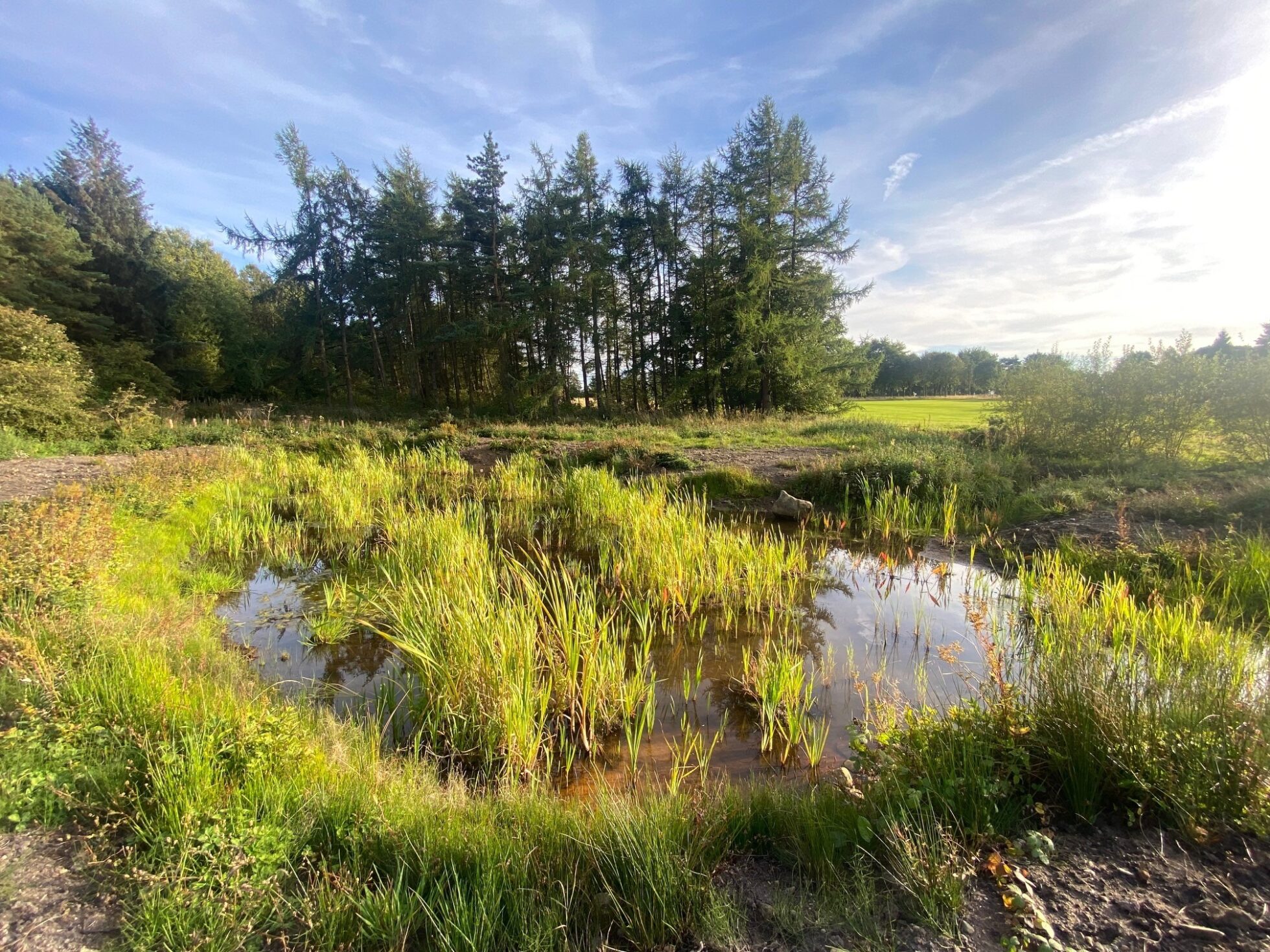
Wetland Creation at Glenrothes (Fife Golf Trust)
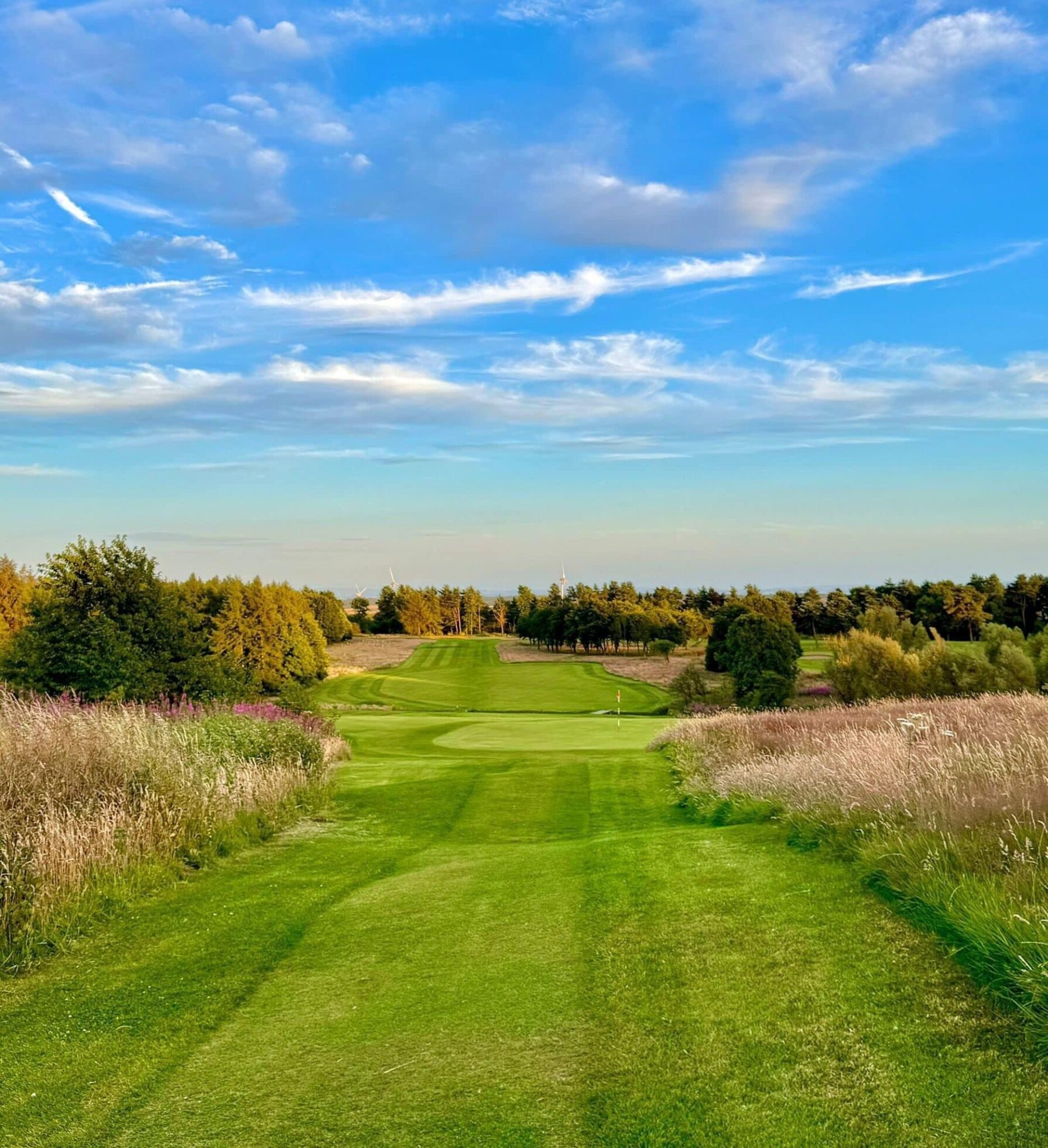
Species Rich Grassland (Fife Golf Trust)
Chapter 3: Sustainable Funding for Nature: exploring the potential of the Rural Payments System to unlock nature recovery
Written by Alice Turner and Charlotte Maddix
Summary
Scotland is reforming its Rural Payments System (RPS) at a time of accelerating biodiversity loss, climate change and pressure on rural livelihoods. Post-WWII payments focused on food security through production-linked subsidies – farmers were paid more for growing more. This shifted under the EU’s Common Agricultural Policy (CAP) towards area-based payments that prioritised land management and agri-environmental standards over pure output.
Public funding for land use must deliver multiple outcomes including sustainable food production, nature recovery, climate mitigation and community livelihood. As new agricultural support arrangements are developed, there is an opportunity to align public spending more closely with a broader spectrum of public goods and long-term benefits.
While existing rural payments support a few nature-friendly practices, they’re not designed to enable large-scale, long-term nature restoration or rewilding. Prescriptive options, short-term funding, intensive competition for limited funds and restrictive eligibility criteria all serve to limit flexibility, discourage collaboration and create barriers for land managers seeking to restore nature at scale.
As a result, farmers, crofters and other land managers face uncertainty when transitioning away from conventional land uses, often without stable or fair funding pathways. Rural communities therefore miss out on the economic, social and environmental benefits of healthy, rewilded ecosystems, while public investment risks failing to meet national biodiversity and climate ambitions.
This report examines how Scotland’s RPS can better support achievable, large-scale nature recovery by reviewing current funding mechanisms, drawing on first-hand stakeholder experience and making actionable recommendations for system reform.
Our recommendations
- Carry out an independent review: Commission a review of the current system against delivery of public goods and implement reforms based on outcomes that prioritise biodiversity, nature restoration, food production and community benefit across all land uses.
- Broaden eligibility criteria: Extend funding to small-scale, non-traditional and restoration-focused land managers, including crofters, market gardeners and rewilders to increase ecological connectivity across landscapes and enable coordinated, cumulative nature restoration at scale. Remove barriers such as ineligible features and prescriptive land categorisation.
- Offer long-term commitment: Provide stable funding and a clear, long-term vision for the RPS that transcends political cycles, with cross-party commitment to reduce indecision and inaction.
- Increase revenue security: Provide long-term assurances and financial certainty for landowners and farmers undertaking restoration and rewilding projects.
- Support a just transition: Support landowners with training opportunities and advisory services which encourage nature restoration and support revenue diversification.
- Embed nature restoration into economic development, infrastructure and land use planning: Use evidence-based monitoring to track environmental, climate and community outcomes across all land uses.
- Encourage integrated approaches: Promote collaborative, landscape-scale restoration partnerships which integrate the production of energy, food, fibre and timber with other land uses that prioritise carbon capture and sequestration, flood mitigation, wildfire risk management, nature restoration, and cultural and historical heritage.
What is the Rural Payments System?
The Rural Payments System (RPS) is delivered by the Scottish Government’s Rural Payments and Inspections Division (RPID), Scotland’s accredited paying agency. Its main responsibilities are to pay scheme grants and subsidies – including Basic Payment Scheme (BPS), Agri-Environment Climate Scheme (AECS) and Forestry Grant Scheme (FGS) – as well as to inspect land and livestock to ensure regulatory compliance. The RPS aims to deliver public money for public goods, supporting climate action, nature recovery and sustainable food production, while recognising land as a shared national asset that underpins farming, forestry and wider economic activity.
Without dedicated long-term funding for nature recovery, RPS mechanisms must therefore also serve to support land managers to deliver biodiversity, climate and nature benefits while maintaining rural livelihoods. But the current system fails to meet these multiple needs, and does little to enable dynamic, long-term ecosystem restoration. Instead, it creates barriers to rewilding and landscape-scale collaboration.
As Scotland seeks to reverse biodiversity loss and reform rural payments, clearer, more flexible public funding routes are urgently needed. These will support large-scale nature recovery, ensure fairness for land managers and align public spending with long-term public, environmental and economic benefit.
Methodology
To better understand the current state of RPS, we invited stakeholders to a roundtable workshop at the Scottish Parliament, Edinburgh. Chaired by MSP Ariane Burgess, conversations focused on stakeholders’ personal experiences, perceived limitations of the current system and suggestions for improvement. Participants were a mix of landowners, land managers, academics, NGO representatives, policy and decision-makers with an interest in nature recovery.
Stakeholder viewpoints
The workshop was structured around four questions designed to capture stakeholders’ perspectives on RPS, including fairness, delivery mechanisms, barriers to success and system-wide changes needed to enable ambitious nature restoration.
- What would a fair, outcomes-based system look like for different types of land managers?
Participants viewed the current RPS as unfair, perverse and impractical, and strongly supported an independent review and reform towards an outcomes-based system that prioritises biodiversity, nature restoration, food production and community benefit.
The existing system lacks equity, favouring large landowners while disadvantaging small-scale managers such as crofters who struggle to meet BPS requirements. But large-scale nature restoration depends on participation across all land types, with small-scale and non-traditional managers vital for ecological connectivity and cumulative impact. Funding eligibility must therefore extend beyond traditional farming and forestry to include restoration-focused and non-traditional land managers, supported by clearer, more inclusive definitions of land and land use. Blanket activity-based rules should be replaced with environmental safeguards, such as Environmental Impact Assessments (EIAs) for tree planting.
A just transition also requires adequate training and support so land managers can adapt without financial loss or penalisation under rigid or inappropriate criteria.
- How could new powers be used to better support ambitious nature restoration?
Stakeholders felt that new powers could better support Scotland’s ambitious nature restoration targets by enabling a just transition through stronger advisory support, flexible standards and fairer recognition of diverse land uses. Participants called for RPS reform that prioritises environmental and climate outcomes alongside so-called ‘viable’ land management, including a shift from compliance-based to outcome-based rules (for example replacing GAECs (Good Agricultural and Environmental Conditions) with Good Environmental Condition (GEC) and introducing ‘do no harm’ requirements).
Stakeholders also felt RPS support should be broadened to include market gardening with production-based subsidies, incentivise continuous cover forestry, and reward multifunctional actions like river corridors. Barriers created by BPS rules on ‘ineligible features’ (buildings, tracks, ponds etc.) should be removed to allow integrated land management that delivers biodiversity, water, flood and climate benefits. Mandatory measures must be backed by incentives that allow farmers and landowners to manage their land effectively while generating sustainable income.
- What is the key thing blocking ambitious nature restoration?
A combination of systemic, cultural and political barriers block the delivery of ambitious nature restoration targets in Scotland. Long-established land uses, supported by existing RPS streams like BPS, have allowed some farming practices to continue even when their economic viability is questionable and their ecological impact is mostly negative. Prescriptive forestry rules, high land prices and the influence of national landowner organisations further limit innovation, diversification and adaptation. Mechanisms to support partnerships and collaborations across landscape-scale restoration are generally insufficient.
Alternative land management approaches are often ignored or excluded and there’s a lack of inclusivity and recognition of smaller groups, cultural traditions and different values. Indecision and political disengagement is fuelled by nervousness, while shifting priorities between administrations create uncertainty and undermine long-term commitment to nature restoration.
- How could the system better enable ambitious nature restoration?
The current RPS needs a fundamental shift in direction, clarity and long-term commitment to allow for meaningful landscape-scale nature restoration. Participants agreed that nature recovery must be mainstreamed across economic development, infrastructure and land use policy, moving beyond the existing 70/30 split between agricultural and environmental objectives. They agreed that the Scottish Government should set clearer ambitions matched with dedicated funding and provide long-term, cross-party commitment, ensuring policies and amendments are fully implemented.
Funding should be accessible to small-scale landowners to support multifunctional outcomes, while landscape-scale schemes should prioritise actions such as riparian buffer restoration and evidence-based monitoring. The current prescriptive land categorisation system should be replaced with flexible, outcome-based approaches that allow rewilding without penalisation (in the form of exclusion from RPS), empowering land managers to deliver nature recovery at scale across Scotland.
Our recommendations
- Carry out an independent review: Commission a review of the current system and implement reforms based on outcomes that prioritise biodiversity, nature restoration, food production and community benefit across all land uses.
- Broaden eligibility criteria: Extend funding to small-scale, non-traditional and restoration focused land managers, including crofters, market gardeners and rewilders to enable ecological connectivity across landscapes and coordinated, cumulative nature restoration at scale. Remove barriers such as ineligible features and prescriptive land categorisation.
- Provide long-term commitment: Provide stable funding and a clear, long-term vision for the RPS that transcends political cycles, with cross-party commitment to reduce indecision and inaction.
- Provide revenue security: Provide long-term assurances and financial certainty for landowners and farmers undertaking restoration and rewilding projects.
- Support a just transition: Support landowners with training opportunities and advisory services which encourage nature restoration and support revenue diversification.
- Use evidence-based monitoring: Normalise and embed nature restoration into economic development, infrastructure and land use planning. Use evidence-based monitoring to track environmental, climate and community outcomes.
- Encourage integrated approaches: Promote collaborative, landscape-scale restoration partnerships which integrate food, timber, carbon, biodiversity, cultural and historical heritage.
Chapter 4: Human-Wildlife Coexistence in Scotland: a new funding mechanism
Written by: Olivia Navarrete Zur and Charlotte Maddix
Summary
While Scotland has set out ambitious biodiversity and climate targets, a significant gap remains in its policy framework: the absence of targeted support for human-wildlife coexistence. Reintroducing native species to degraded natural landscapes is increasingly regarded as crucial for regenerating functional and resilient ecosystems. But existing government schemes that attempt to address the relationship between humans and wildlife in Scotland are often narrow in scope, targeting individual species such as geese, sea eagles and beavers, rather than explicitly fostering a broader culture of coexistence. Meanwhile, dedicated human-wildlife coexistence funds across the EU and rest of the world continue to take shape with no equivalent in Scotland.
There is a need for financial mechanisms that effectively encourage, recognise and reward efforts by key Scottish stakeholders, including farmers, crofters, land managers and rewilding practitioners, to coexist with wildlife. Establishing such a fund would build on existing approaches while moving beyond compensation to create a fairer, more forward-looking system, supporting long-term coexistence. Embedding the principles of Human-Wildlife Coexistence within our rural payments system would also create fairer, more sustainable outcomes for people and wildlife.
During 2025, the Scottish Rewilding Alliance collaborated with biologist and socio-environmental researcher, Olivia Navarrete Zur, from the University of Edinburgh, to explore how an additional financial mechanism might promote Human-Wildlife Coexistence in Scotland. Her resulting thesis, Encouraging Human-Wildlife Coexistence in Scotland: Key Stakeholder Perspectives and International Lessons to Design a New Coexistence Funding Mechanism, investigates the feasibility of creating such a fund. This policy briefing summarises her research and includes recommendations from the Scottish Rewilding Alliance.
Our recommendations
Olivia’s research proposes a dedicated Human-Wildlife Coexistence Fund that operates both as a distinct funding stream and as a core component of Scotland’s future rural payments system, combining targeted support with outcome-based incentives. Based on this research, we recommend the Scottish Government:
- Explores a Human-Wildlife Coexistence Fund to encourage and support human coexistence with wildlife, using a participatory process to design an equitable, multi-year fund that reflects place-based values. The proposed fund would be designed to operate across multiple species, focusing on shared principles of coexistence rather than species-specific compensation packages.
- Ensures that the Rural Payments System fosters Human-Wildlife Coexistence by combining baseline support with outcome-based bonuses for measurable ecological improvements. The scheme should also combine tolerance payments with funding for coexistence infrastructure (e.g. fencing, guardian animals).
- Invests in guidance, education and knowledge exchange on human-wildlife coexistence, including inter-generational programmes and farmer-to-farmer networks.
- Establishes a network of Human-Wildlife Coexistence Officers to provide on-the-ground support for this work.
What is Human-Wildlife Coexistence?
Human-Wildlife Coexistence has been defined as “a sustainable though dynamic state, where humans and wildlife co-adapt to sharing landscapes and human interactions with wildlife are effectively governed to ensure wildlife populations persist in socially legitimate ways that ensure tolerable risk levels.” (Pooley et al., 2021, p2).
Human-Wildlife Coexistence is a proactive approach to resetting the relationship between humans and wildlife. Crucially, it’s best achieved by systems which reward communities and land managers for actively promoting tolerance and biodiversity. This contrasts with reactive compensation or short-term mitigation techniques, which fail to address underlying social tensions.
As Scotland considers the reintroduction of extirpated native species and the reinforcement of surviving populations of other species, incentivising humans to coexist peacefully with returning and existing wildlife is essential. This approach recognises that interactions are linked to complex socioecological systems, often influenced by complex historical grievances and power dynamics.
Why Scotland needs a new approach to coexistence
In line with global targets, the Scottish Government is committed to protect at least 30% of its land and sea for nature by 2030. Yet Scotland is one of the world’s most nature-depleted countries – with research showing that intensive agriculture alongside climate breakdown is having the biggest impacts on habitats and wildlife.
Over the past few decades, the Scottish Government has implemented various initiatives to restore biodiversity and meet national climate targets, yet most remain limited in scope and impact. Only three existing schemes (the Goose Management Scheme, the Sea Eagle Management Scheme and the Scottish Beaver Strategy) directly relate to Human-Wildlife Coexistence. Critically, these schemes operate primarily through compensation or specific interventions, rather than integrating explicit outcome-based approaches.
An outcome-based Human-Wildlife Coexistence Fund would be a useful instrument for aligning policy with practice, offering multiple benefits for both nature and people. A well-designed fund would directly address the gap between Scotland’s ambitious goals and the realities of its agricultural landscapes. Across the world, a variety of policy instruments have been tested in pursuit of better Human-Wildlife Coexistence. International evidence increasingly suggests that blended, flexible models grounded in the realities of local communities are more likely to succeed over the long term.
By formally recognising farmers, crofters and land managers as vital partners in conservation, a coexistence fund would mitigate negative human-wildlife interactions. Meanwhile the use of public money for a Human Wildlife Coexistence fund would help distribute the risks and costs of coexistence more fairly. This approach would also promote locally-led innovation and stewardship, while building trust in land-use change. Ultimately, a coexistence fund offers a tangible way to close the policy-practice gap, ensuring Scotland’s transition to a more sustainable land-use system is both ecologically effective and socially just.
Methodology
The research supporting this brief draws on successful international models and key stakeholder interviews, and provides a clear blueprint for a Scottish coexistence fund. Interviews with Scottish stakeholders revealed a mix of concerns and motivations that align with the research findings.
Stakeholder views
Stakeholders shared several key concerns about current government schemes. A primary issue is the rigidity of existing programmes, which are often seen as a “one-size-fits-all” approach that fails to account for Scotland’s diverse landscapes and seasonal variations. This inflexibility, along with burdensome bureaucratic processes and inaccessible application systems, acts as a significant barrier to participation.
Participants also expressed worry about insufficient funding to address the scale of the biodiversity and climate crises. Finally, a persistent concern was the existing power imbalance and disagreements among different stakeholder groups over land management decisions.
Given these challenges, strong motivations for reform were evident. Stakeholders expressed a desire for new schemes that prioritise peer collaboration and shared learning within farming and crofting communities. There was also a strong call for greater public education to increase understanding of nature and food systems – and how a healthy natural world and functioning natural processes go hand-in-hand with sustainable food production – which stakeholders believe is crucial for building broader support for their work.
Participants also emphasised the importance of a fund that would provide recognition for existing biodiversity-friendly practices rather than only demanding new ones. Many were open to the idea of hybrid schemes that combine base payments with additional rewards for achieving specific outcomes, seeing this as a promising way to provide both stability and incentives for environmental stewardship.
Case studies
Case Study 1: Co-creating Coexistence, EU
CoCo is a Horizon Europe project focusing on wildlife and pastoralism, bringing together 17 partners from 12 different countries. The project consists of a mixture of partners from different fields (e.g. agriculture, biology, social sciences, communication, conflict management) and stakeholders (e.g. hunters, landowners). It aims to transform entrenched conflicts between conservationists and farmers to a future state where pastoralism is valued, viable and able to coexist with wildlife in multi-functional landscapes.
The project brings together knowledge from scientific fields and practical experiences, as well as collecting and analysing new data in areas where more knowledge is needed. It creates new ways for scientists and stakeholders to work together, encouraging trust between the different interest groups involved in agriculture, wildlife management and biodiversity conservation.
Their outputs include exploring different stakeholder perspectives on the state and management of the livestock-wildlife interface and identifying successful governance strategies for a best-practice roadmap. CoCo will also explore how to integrate wildlife and pastoralism within multi-functional landscapes, culminating in a comprehensive Roadmap to Coexistence, which will provide a holistic approach to balancing these interests.
Case Study 2: LIFE funding, EU
The European Union’s LIFE programme is a public funding instrument dedicated to the environment and biodiversity. Among other things, it co‑finances projects that pilot or scale up Human‑Wildlife Coexistence approaches. Projects funded through LIFE may support preventive measures such as livestock‑guarding dogs, fencing, shepherding, and other approaches that reduce conflicts between people and wildlife. LIFE has funded well over 170 conservation projects that include coexistence elements.
Case Study 3: Payment for Hydrological Services Program, Mexico
Since 2003, Mexico’s Payment for Hydrological Services Program has allowed participating landowners to receive financial incentives to conserve forested areas that provide habitat for wildlife, including jaguars, pumas and other carnivores. This funding can support measures like predator-proof livestock enclosures, habitat protection and wildlife corridors, reducing conflict between humans and wildlife while promoting biodiversity.
Designing a Human-Wildlife Coexistence Fund
A Human-Wildlife Coexistence Fund could be a powerful instrument for aligning policy with practice in Scotland, offering multiple benefits for both nature and people. The fund would close critical funding gaps in biodiversity and agricultural policy and formally recognise crofters, farmers, land managers and rewilding practitioners as vital partners in nature protection and restoration.
By sharing the risks and costs of coexistence more widely, it would limit conflict escalation, promote locally-led innovation and stewardship, and build trust in nature-restoration and rewilding initiatives. Ultimately, this fund would support Scotland’s just transition by fostering equitable ecological resilience within agricultural and rural communities. Such a holistic approach is indispensable for delivering a thriving, biodiverse landscape where human communities and wild species can genuinely coexist.
Given the continued decline in Scotland’s biodiversity, a clear, ambitious and pragmatic plan is crucial to incentivise and support human-wildlife coexistence in the areas most affected. The crucial question is whether the Scottish Government will move beyond paper commitments to implement the equitable, practical and durable measures required for genuine human-wildlife coexistence.
Our recommendations
The path forward for Human-Wildlife Coexistence in Scotland is clear: it demands a fundamental reimagining of our approach, as consistently highlighted by academic studies, practitioner insights and the powerful voices of stakeholders interviewed for Olivia’s research. For such an approach to succeed in Scotland, it must be designed with a critical awareness of power imbalances, proactively creating inclusive spaces for dialogue that can begin to bridge these divides.
We propose a dedicated Human-Wildlife Coexistence Fund that operates both as a distinct funding stream and as a core component of Scotland’s future rural payments system, combining targeted support with outcome-based incentives. Based on the research, we recommend the Scottish Government:
- Creates a Human-Wildlife Coexistence Fund to encourage human coexistence with wildlife, using a participatory process to design an equitable, multi-year fund that reflects place-based values. The proposed fund would be designed to operate across multiple species, focusing on shared principles of coexistence rather than species-specific compensation.
- Ensures that the rural payments system supports Human-Wildlife Coexistence by combining baseline support with outcome-based bonuses for measurable ecological improvements. They should also combine tolerance payments with funding for coexistence infrastructure (e.g. fencing, guardian animals).
- Invests in guidance, education and knowledge exchange on human-wildlife coexistence, including inter-generational programmes and farmer-to-farmer networks.
- Establishes a network of Human-Wildlife Coexistence Officers to provide on-the-ground support for this work.
References
Gross, E., Jayasinghe, N., Dahal, S., Tenzin, S., Klenzendorf, S., Vannelli, K., Gils, E., Hilderink-Koopmans, F., Mcvey, D., Banasiak, N., Boron, V., Frances, D., Petrone, S., Elliott, W., Cranston, K., Clemens, K., Moore, J., Glikman, J., Kansky, R. & Kinnaird, M. (2025) ‘C2C—conflict to coexistence: A global approach to manage human–wildlife conflict for coexistence’, Conservation Science and Practice, 7(5), p. 13292.
Navarrete Zur O. (2025) ‘Encouraging Human-Wildlife Coexistence in Scotland: Key Stakeholder
Perspectives and International Lessons to Design a New Coexistence Funding Mechanism’. MSc Thesis, School of Geosciences, The University of Edinburgh.
Pooley, S., Bhatia, S. & Vasava, A. (2021) ‘Rethinking the study of human–wildlife coexistence’, Conservation Biology, 35(3), pp. 784-793.