

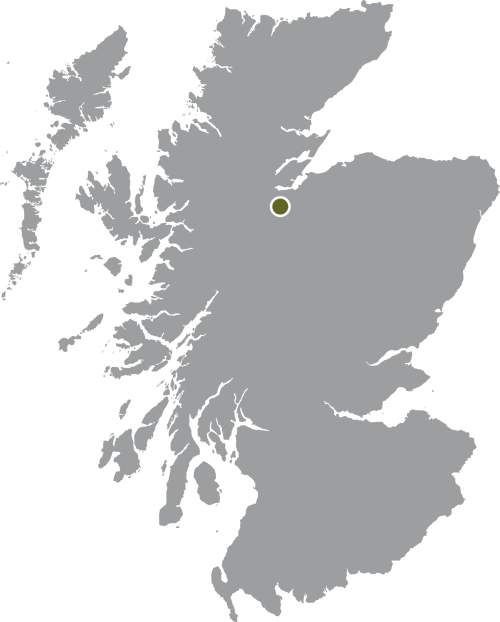
Beagan an iar air Loch Nis, ann an gleann crochte sàmhach falaichte sa mhòr-chuid a-mach à sealladh, tha taigh fiodha Sam Hesling a’ tabhann seallaidhean farsaing thairis air farsaingeachd de choille dhùthchasach a chuidich a theaghlach a chruthachadh. Ach chan e sealbhadair fearainn àbhaisteach a th’ ann an Sam a tha os cionn oighreachd mhòr Ghàidhealach, tha e na innleadair agus na Chathraiche air a’ chomataidh Urras Coille Obar Itheachain, carthannas air a ruith leis a’ choimhearsnachd le sgeulachd iongantach.
Chomharraich an Urras a 25mh co-là-breith an-uiridh, agus tha teaghlach Sham air a bhith nam pàirt den leasachadh aige bhon chiad latha. Tha an sgeul ag innse gun cuala a sheanmhair an toiseach gu robh coille Obar Itheachain air an ‘liosta cuidhteas’ aig Forest Enterprise. Às dèidh còmhradh a thòisich ann am pàirce chàraichean a’ bhaile, chaidh cuireadh a thoirt don choimhearsnachd na bha aig an àm na phlanntachas durcain 534 heactair a cheannach.

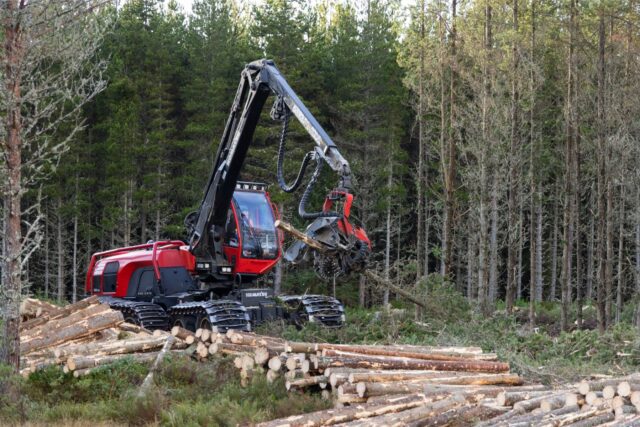

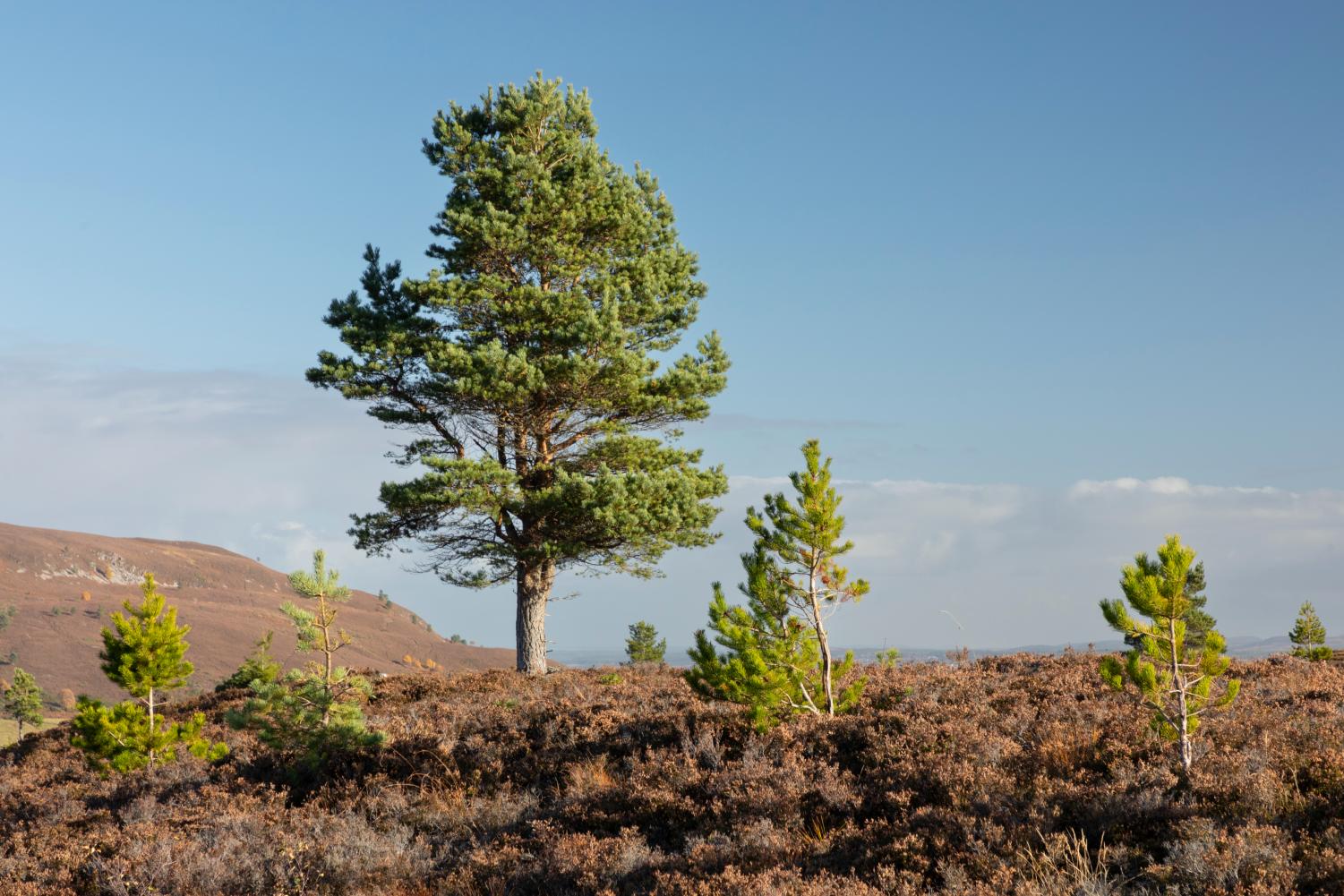
Ann an 1998, cha robh còraichean ruigsinneachd an latha an-diugh air an daingneachadh ann an lagh na h-Alba fhathast, agus bha ùidh na coimhearsnachd air a bhrosnachadh gu ìre le miann ruigsinneachd tèarainte a thoirt do mhuinntir an àite don choille. Ach, thòisich an t-Urras a’ brosnachadh bith-iomadachd le bhith a’ cur beithe, darach, critheann agus giuthas Albannach an àite cuid de na craobhan-durcain neo-dhùthchasach, agus aig an aon àm, a’ dèanamh structar aois nas eadar-mheasgte air a’ phlanntachas a bha air fhàgail.
Chaidh àrdachadh 75% a chlàradh ann an iomadachd fiadh-bheatha.
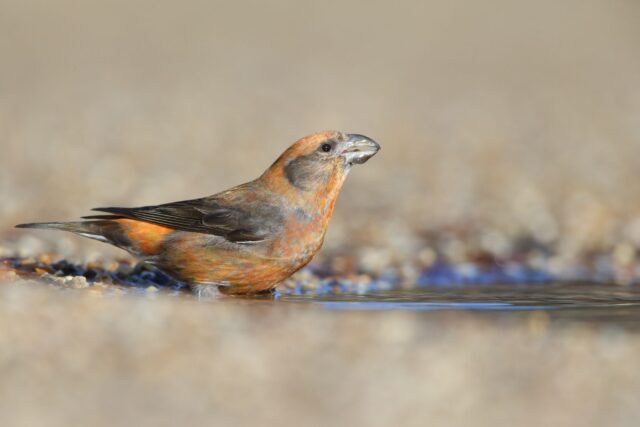
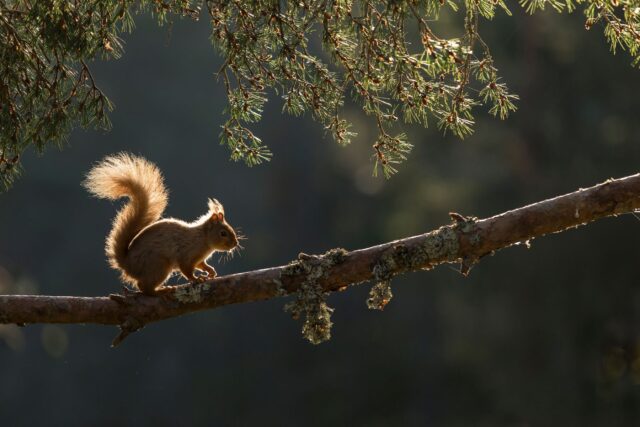
Since those early beginnings, 125,000 native trees have been planted and a 75% increase in wildlife diversity has been recorded. The forest is home to black grouse and crossbills, while red squirrels and pine martens have made a comeback. Just as importantly for the Trust, more than £3.7 million has been invested in the local economy, seven part-time jobs have been created and a community-led application has been made to reintroduce beavers. But all these achievements only scratch the surface of what the forest has come to represent.


Like Sam, Suzann Barr is a member of the local community and has been a part of the Trust’s development from the beginning. It’s immediately clear that she is a force of nature in her own right and today, Suzann is supervising two students from the nearby Glen Urquhart High School.

Rory and Duncan are finishing their Level 4 Forest and Outdoor Learning Award – just one of a broad range of schemes for young people. The lads are planting a mix of native trees, with the Trust keen to get volunteers involved in all stages of woodland restoration, from collecting seeds, through to planting out saplings.
More than 35 young people and adults who have received such grounding at Abriachan have moved on to employment in land-based jobs. ‘That’s what we’re all about,’ says Suzann. ‘Those are people who are going to have an impact on how we treat our planet.’
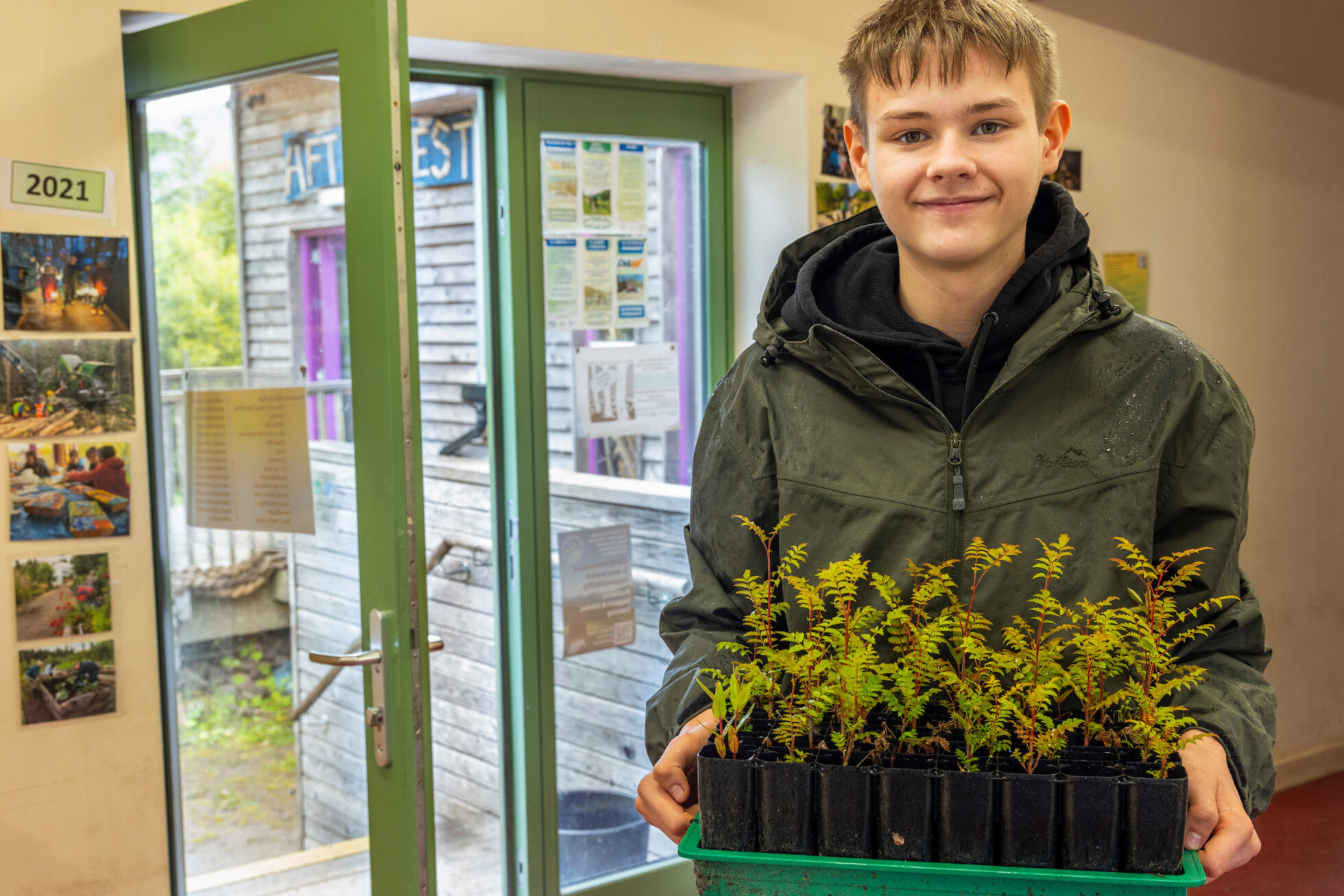
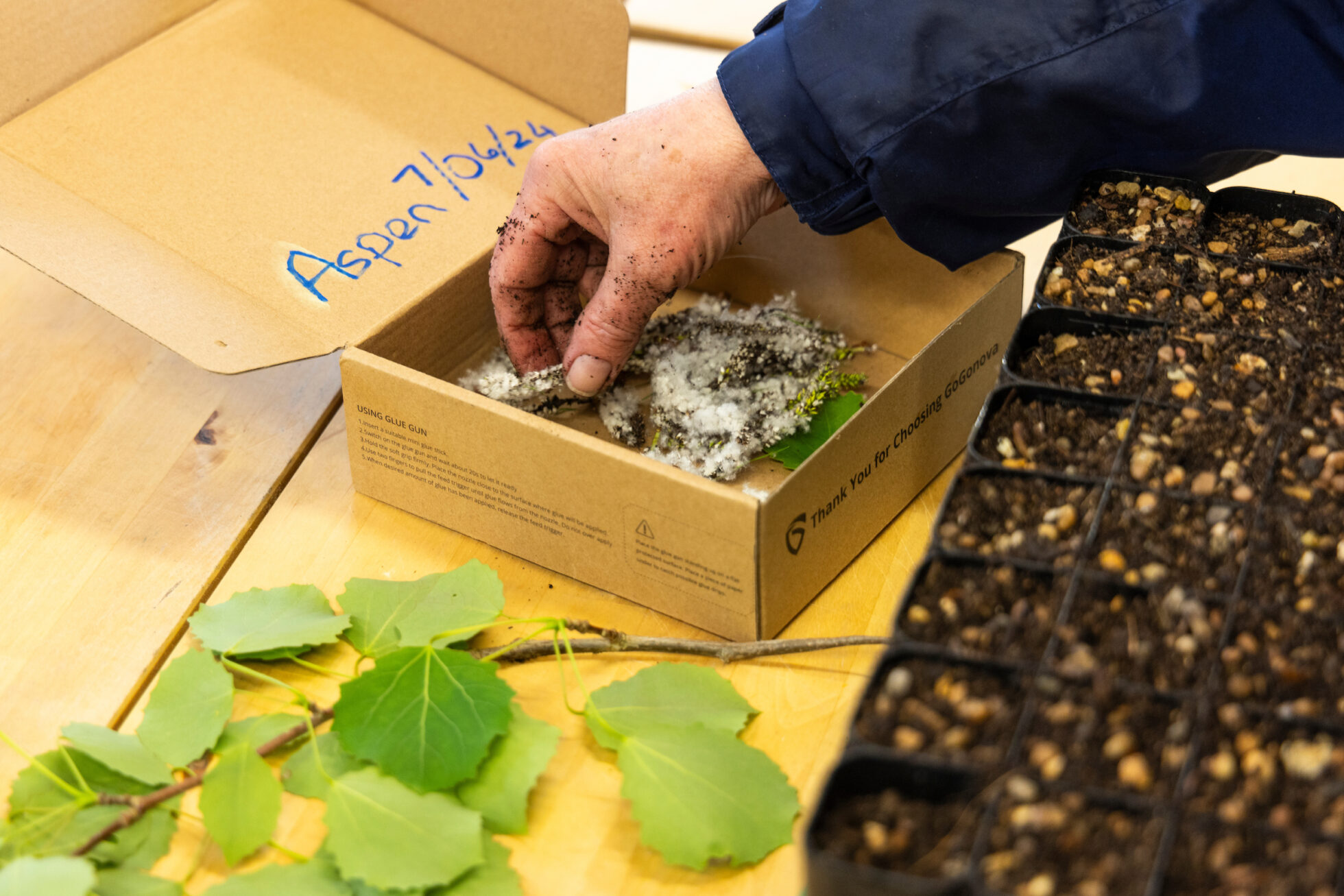
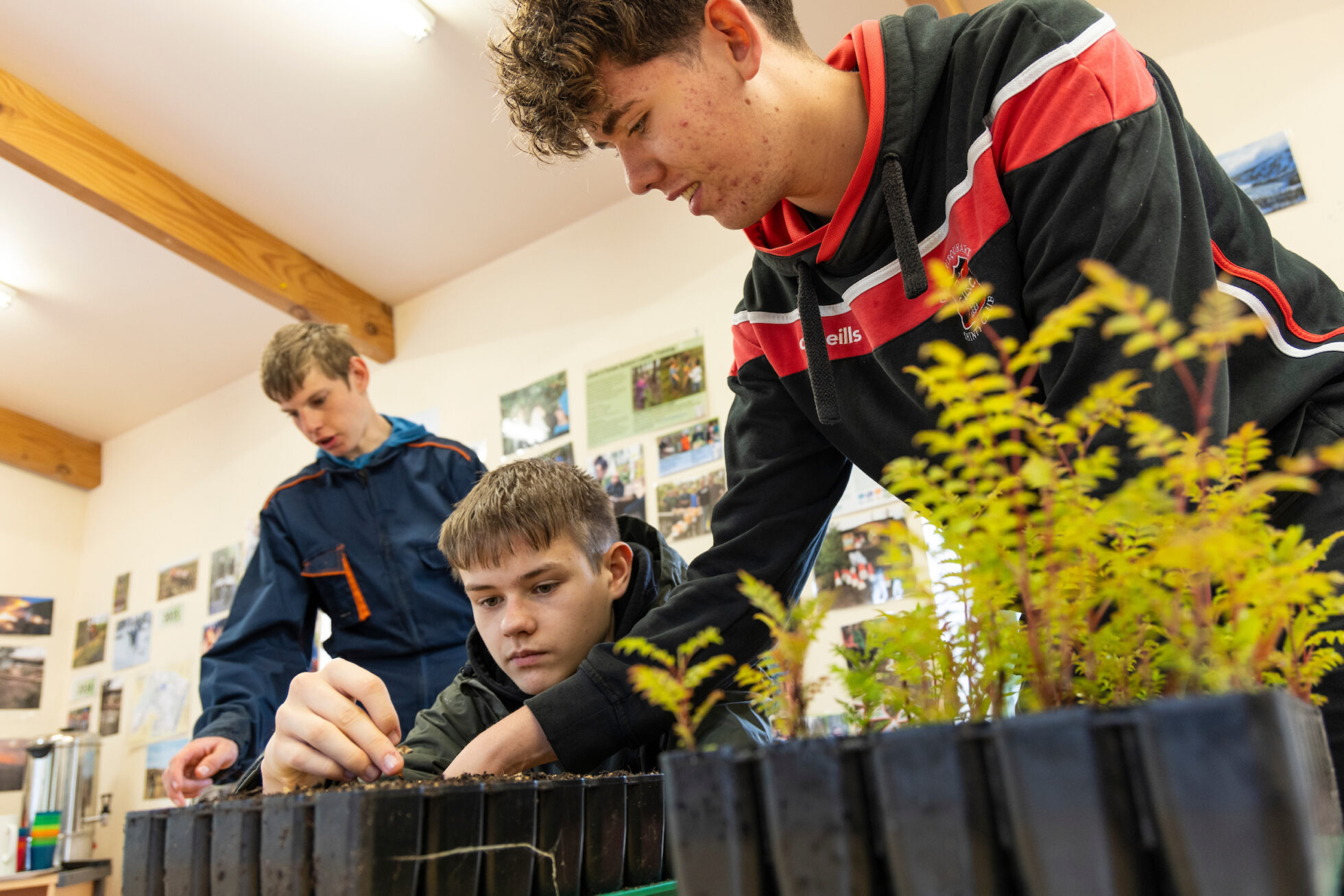
‘Is it hard to get young people enthused about this stuff?’ I ask. ‘Not at all’ says Suzann. ‘They enjoy coming here. We get kids coming back, desperate to show their parents what they’ve done – to show off their birdbox, or the tree they planted, and it’s just a delight to hear their enthusiasm.’
‘People love to see the change they’ve helped create.’
Most of the wildwood becoming established at Abriachan is regenerating naturally, but the Trust continues to encourage volunteers to plant trees, because it helps to nurture a connectedness with the forest. ‘People love to see the change they’ve helped create,’ reflects Suzann.
Sometimes, children choose to plant their trees too close together, ignoring Suzann’s instructions. “Our trees are friends!” they say, and you just have to let that go,’ she explains. ‘In the end, it’s the experience that matters.’

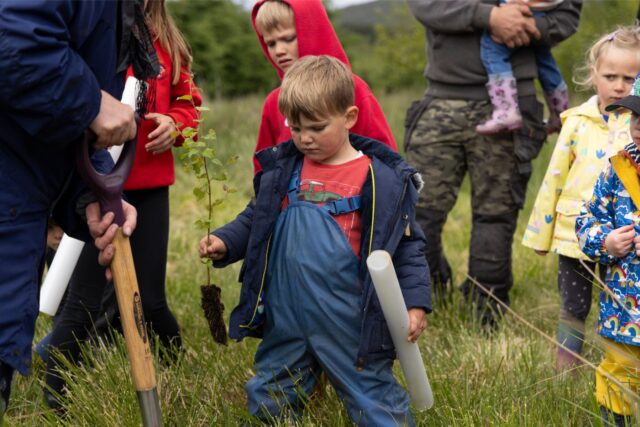
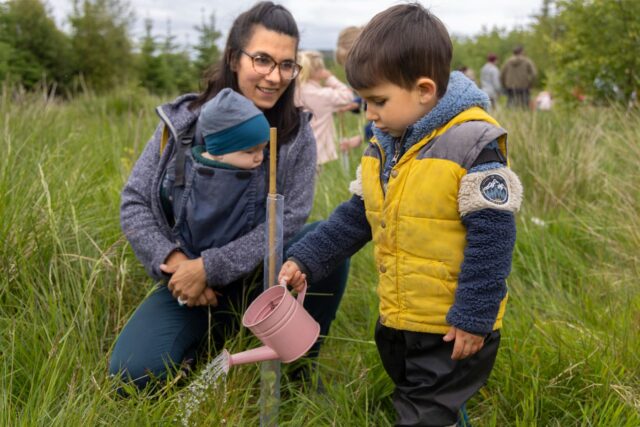
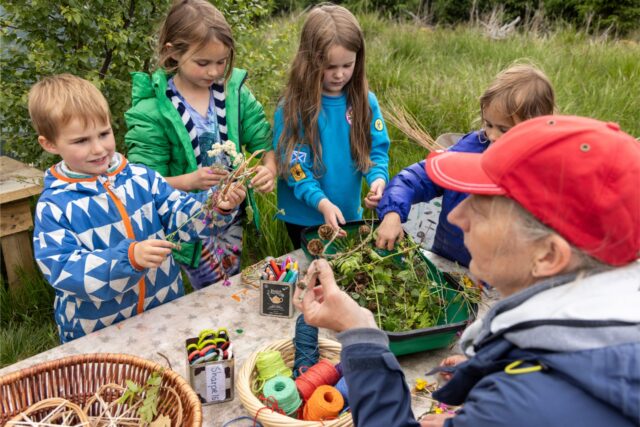
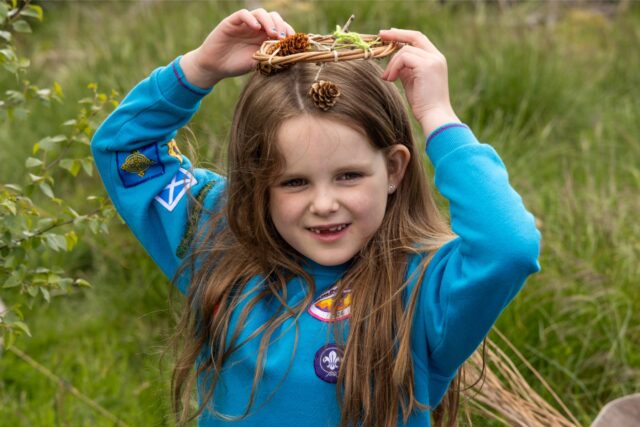
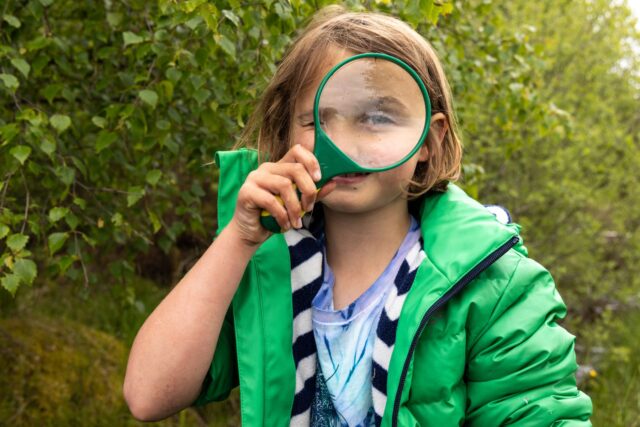
And that experience can have a profound impact. The Trust works with all sorts of people from early years nursery groups through to adult learners. Each Thursday, Suzann welcomes kids with additional support needs from Inverness: ‘kids who can’t cope with the standard education system,’ as she puts it.
‘A lot of what we do is based around the forest school ethos,’ says Suzann. ‘Being in the outdoors helps people feel calmer and more connected with nature. That’s something we really strive for.’
‘Their time here forms an important part of their week.’
Adults and young learners all work and eat together – with food an important focus at Abriachan. ‘Some of our adults are really quite socially isolated,’ says Suzann. ‘So, their time here and the relationships they develop, forms an important part of their week.’

Abriachan has become a place where nature and people come together, fostering a common sense of purpose. There is a palpable family atmosphere, which reflects the thousands of hours invested by this community. ‘If we could go back in time, I don’t think any of us could have imagined what the Trust has become and the impact it’s had,’ says Suzann. ‘It’s taken 25 years, but it’s a long game we’re playing. You have to be patient.’
The Abriachan Forest Trust is a member of the Northwoods Rewilding Network, and despite some enduring local wariness about the R-word, the Trust was pleasantly surprised by the overwhelming support they received for their recent proposal to reintroduce beavers. ‘Now the idea is in people’s heads, they just want to get on with it,’ laughs Suzann.
So, does community-based nature restoration work?
It is clear that one of the key benefits of community ownership at Abriachan is that local people are able to influence land management decisions, to tailor the forest to their needs and feel that they retain control. Change can be a scary thing, but here, the changes have been initiated and managed by the community. This is their forest, and its recovery is down to their work.
‘So, does community-based nature restoration work?’ I ask Sam. ‘Just look around,’ he says. ‘This used to be a totally homogenous conifer plantation. Now look at it.’