
Holyrood’s climate resilience debate revealed growing support for restoring nature to protect Scotland. So why is the Scottish Government struggling to turn ambition into reality?
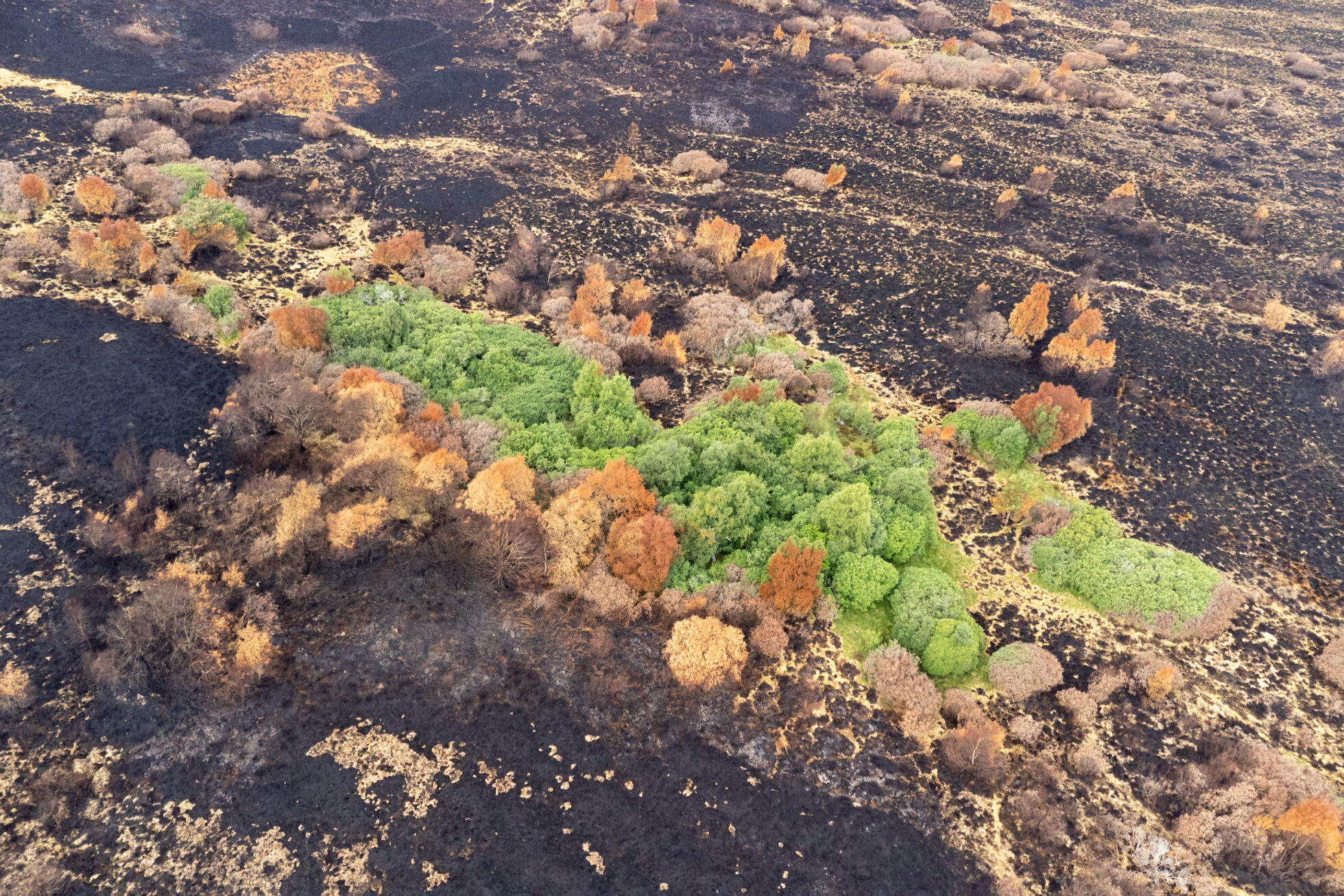
The Scottish Government talks a good game on climate – its 2045 net zero target is among the most ambitious in the world. But when it comes to preparing our landscapes and communities for extreme weather, we have some serious catching up to do. The Climate Change Committee’s 2023 assessment showed that, of 33 climate resilience outcomes, 32 are not making sufficient progress. Meanwhile, wildfires tear through landscapes, droughts put pressure on farmers and communities, and flooding threatens homes, businesses and livelihoods.
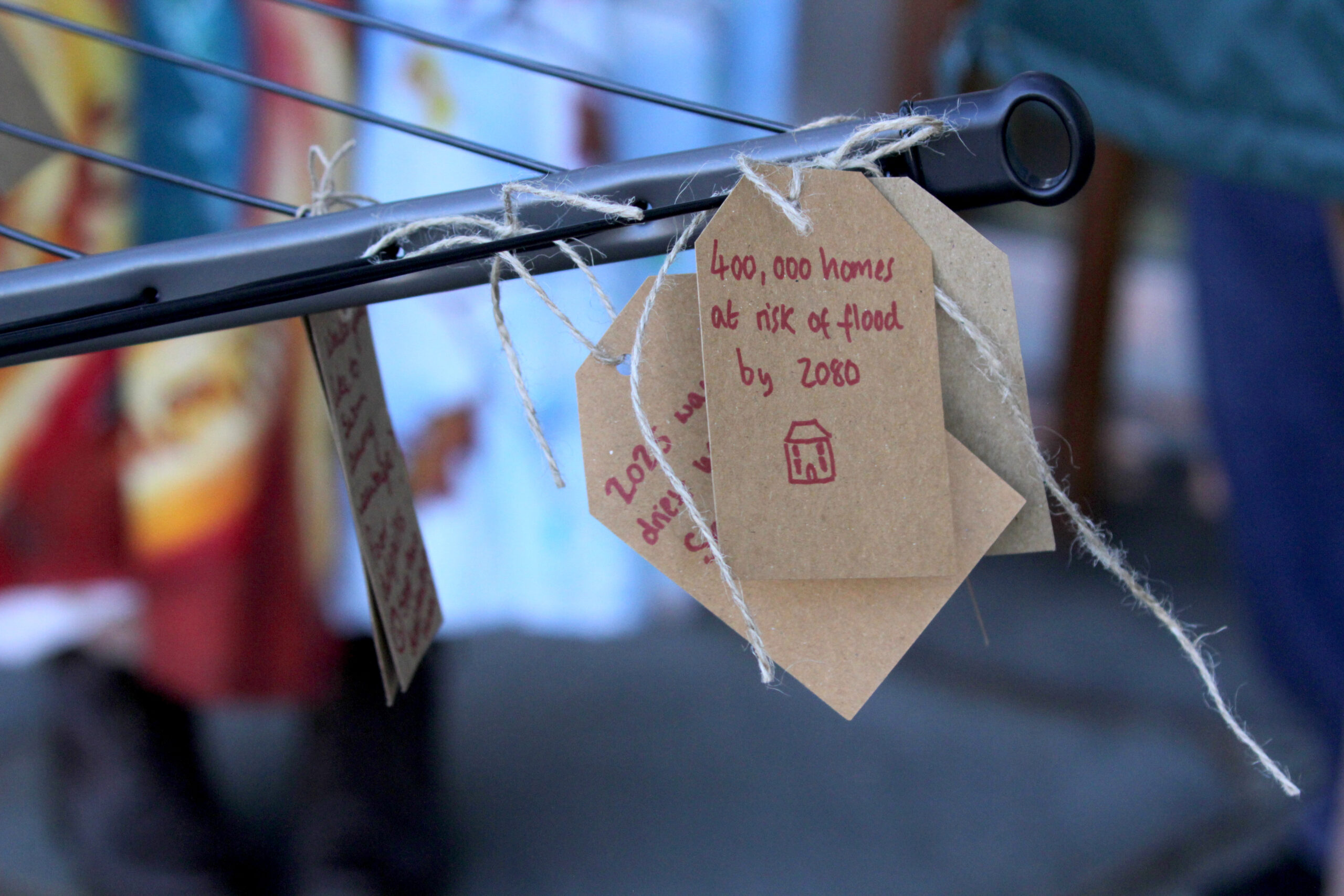
On 30 September, MSPs gathered at Holyrood to debate how Scotland can better prepare for these growing threats. Ahead of the debate, we took to the streets to highlight the chasm between ambition and action.
The debate
The motion for the debate, led by Scottish Green MSP Ariane Burgess, attracted support from all parties, except the Scottish Conservatives.
At its heart was a simple idea: we can’t just keep reacting to disasters. We need to make our landscapes more resilient before they happen.
The debate brought two proposals we’ve been championing into Parliament:
A national Landscape Resilience Summit – bringing farmers, crofters, gamekeepers, foresters, rewilders, scientists, emergency services and communities together to agree a way forward.
A dedicated Climate Shock Fund – providing new investment to scale up nature-based solutions and help protect communities from fire, flood, drought and extreme heat.
MSPs broadly welcomed these ideas, bringing different perspectives to the debate. Discussions ranged from better-equipped emergency services, aerial firefighting capacity, muirburn and grazing to the role of healthier peatlands, wetlands, woodlands and rivers in protecting communities.
All have a part to play. The challenge is bringing them together into a joined-up approach to climate resilience.
But when minister Jim Fairlie responded for the Scottish Government, he focused overwhelmingly on wildfire prevention and response. MSPs reminded him that Scotland also needs to prepare for flooding and drought. But when pressed about a Landscape Resilience Summit, the minister pointed instead to the government’s new Land, Agriculture and Nature Delivery (LAND) group.
Scotland needs a plan, not just another working group
The LAND group could do useful work. It recognises that Scotland’s land must deliver everything from food and timber to nature recovery and climate adaptation. But it’s an invitation-only advisory group, and not everyone’s been invited.
Government policy has spent years trying to make progress without ruffling feathers across different sectors. But while ministers try to avoid arguments about how our landscapes should change, extreme weather is already changing them for us. A national Landscape Resilience Summit could help break that deadlock.
Scotland needs people with different interests, experiences and ideas around the same table – especially those who don’t always agree. Farmers and rewilders. Gamekeepers and conservationists. Scientists, emergency services and the communities already living with the consequences of extreme weather – all pooling their knowledge to develop a long-term plan.
Stop paying for the damage, start funding prevention
There’s another piece to this puzzle: money. We’re spending millions dealing with devastating fires and floods after they hit, but nowhere near enough on reducing the risks in the first place. And the potential bill is enormous. Estimates from the Climate Change Committee suggest unchecked climate impacts could cost Scotland’s economy £11 – £45 billion a year by 2050. Taking early collective action could save Scotland over £30 billion in annual damages by the 2050s.
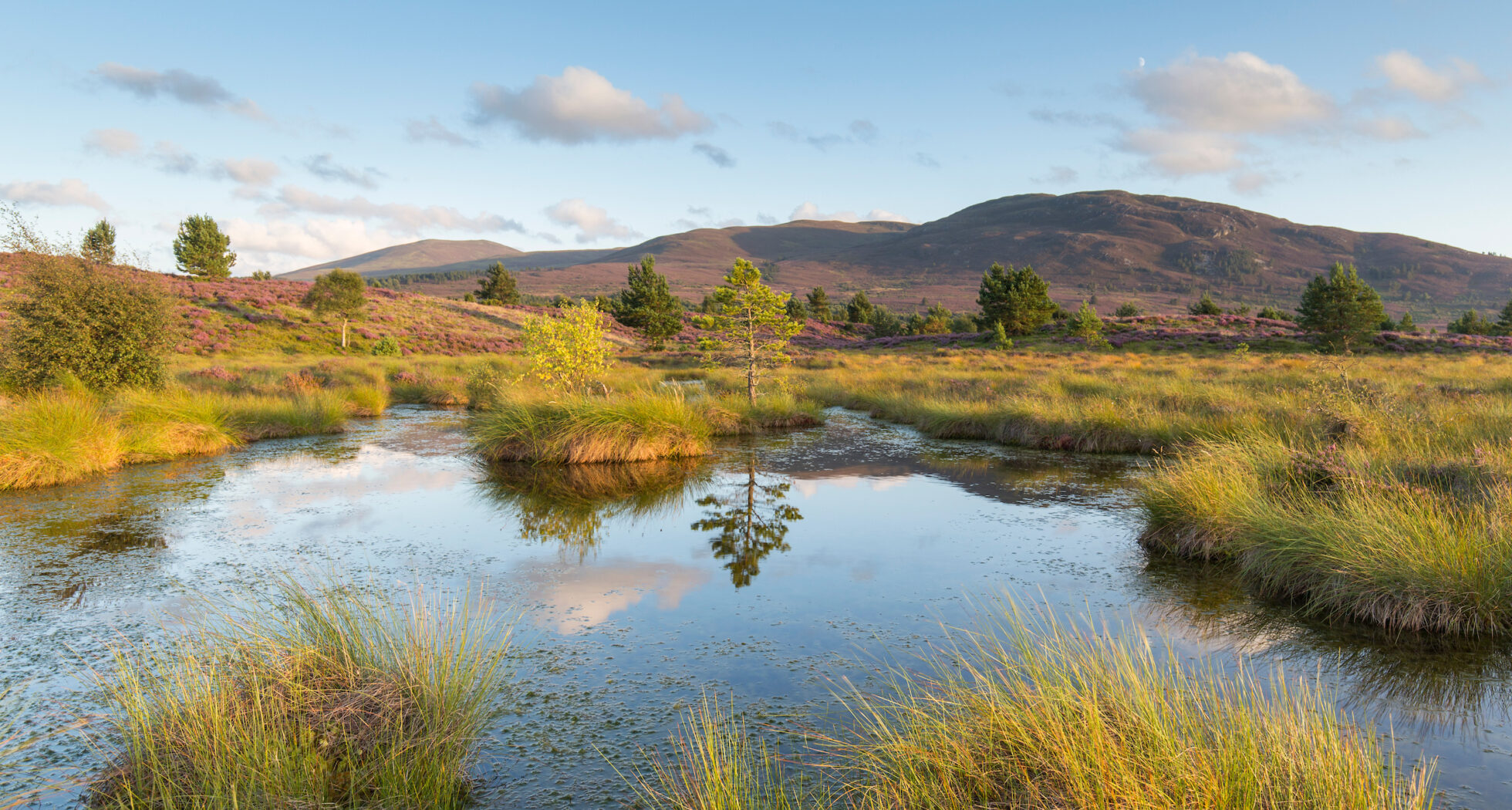
We already know that healthier peatlands, wetlands, woodlands and river systems can help landscapes hold onto water during droughts, slow flooding and act as natural barriers to wildfires. Why fight fire, flood and drought on separate fronts when restoring nature can help protect us from all three?
Knowing what works is one thing. Doing it at the scale Scotland needs is another. A Climate Shock Fund would provide the investment needed to scale up nature restoration, helping protect our landscapes, towns and communities from extreme weather. Crucially, this must be new money. Existing farming, nature and flood budgets are already stretched. Shuffling the same pot of funding around won’t get us anywhere.
Of course, we’ll still need engineered flood defences and well-equipped emergency services. But we can’t rely on them alone. We need to invest in nature’s defences too – before the next disaster strikes.
So what’s next?
The debate showed there’s political appetite for change. But support in Parliament means nothing unless it leads to action. Now it’s time for the government to put its money where its ambitions are. Will the Scottish Government convene a national Landscape Resilience Summit? And if the LAND group is the government’s preferred alternative, how will it bring together the full range of voices needed to tackle climate shocks? Will ministers work with the UK Government to secure a dedicated Climate Shock Fund and the investment needed to restore nature at scale?
Scotland has spent decades setting ambitious climate targets while failing to reach them. If we want landscapes that are better equipped for wildfire, flood and drought, the Scottish Government’s delivery must finally match its ambition.
The Scottish Parliament debated Building Scotland’s Resilience to Wildfires and Other Climate Shocks on 30 September 2026. Watch the full debate below.