Category: News and blog

  • Holyrood, we have a problem: what’s missing from Scotland’s new rural support system

    Holyrood, we have a problem: what’s missing from Scotland’s new rural support system

    Sara King, Rewilding Manager at Rewilding Britain, discusses the divergence between rural payments in Scotland and England and asks if Scotland is falling behind. 

    Our environment is changing. With climate heating, more extreme droughts and floods, declining soil health and degraded ecosystems threatening food production, the way we manage land needs to adapt in response. Scottish farmers and crofters need reliable financial backing to produce nourishing food, in an increasingly unpredictable climate, in a way that benefits nature. 

    Food production and nature recovery are two sides of the same coin. We need a payment system that recognises how restored landscapes sustain productive farmland. 

    As each nation in Britain reshapes its rural support systems – how much public money is paid out to land managers, and for what – Scotland needs an ambitious rural payments scheme that will improve the resilience of its land. 

    I manage and coordinate the development of the Rewilding Network — the first of its kind in Britain. That network now includes over 256,000 hectares of land across 1,000 sites.

    Our ability to produce sustainable food in this country depends on healthy, functioning ecosystems. That’s why rewilding is critical to support food production. But the rewilding movement is being held back by a lack of long-term funding, leaving nature-friendly and wilder land management practices unable to compete with subsidised approaches. 

    Our ability to produce sustainable food in this country depends on healthy, functioning ecosystems. That’s why rewilding is critical to support food production.

    In England, the Environmental Land Management (ELM) Scheme was developed to address these issues. Unfortunately, Scotland’s Vision for Agriculture aims to replace old EU-era schemes with a four-tier system that looks set to sideline large-scale nature recovery. 

    What England got right: the Environmental Land Management scheme

    The ELM scheme is based on three different levels:

    • Sustainable Farming Incentive (SFI) pays farmers to adopt and maintain sustainable farming practices that can protect and enhance the natural environment alongside food production. 
    • Countryside Stewardship funds more targeted actions relating to specific habitats. Rewilding projects often use this scheme to access funding for more dynamic landscapes such as wood pasture. 
    • Landscape Recovery is a bespoke scheme for large scale projects, securing funding for 20 years of nature recovery. 

    The two-year development phase allows these schemes to be co-designed with public bodies to ensure that they provide the best value for money as well as the evidence needed to justify the payments being made. This phase gives land owners and managers the opportunity to develop a vision for their land, and secure the funding needed to support it. It also creates a partnership with Defra, rather than just a transactional relationship. 

    The pilot projects that have been developed from the first two rounds of the Environmental Land Management Scheme are truly transformational and will create resilient landscapes if they get to the implementation phase. 
    Woodland at Haweswater, a Rewilding Britain Rewilding Network member, located in the heart of the Lake District. Wild Haweswater is taking part a pilot project under the Environmental Land Management scheme. Find out more.

    Supporting wilder landscapes

    Both Countryside Stewardship and Landscape Recovery have led to more nature recovery projects and rewilding across England. We now have real examples of landscapes with a plan to create resilient ecosystems as well as certainty for the communities who live and work on the land. 

    Projects in both lowland and upland landscapes are accessing payments to create more wildlife-rich habitats – wood pasture and woodland creation, grassland management and nature-friendly farming practices are all supported through the schemes. 

    “Nature can do the heavy lifting, but through Landscape Recovery and a partnership approach we’ve created holistic plans which go even further, maximising the benefits for wildlife, people and planet.”

    Read Nattergal’s reflections on the Landscape Recovery scheme.

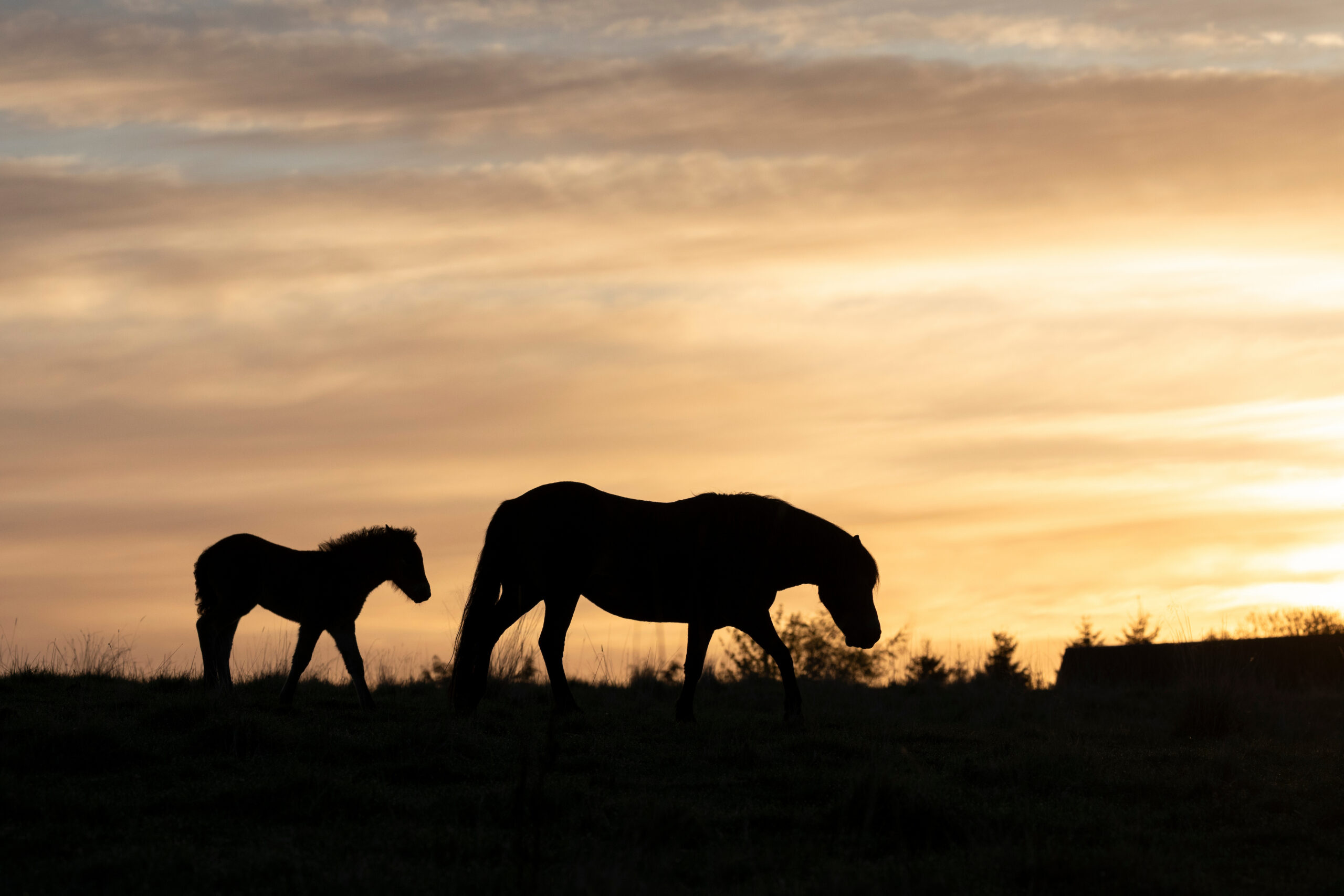
    Countryside Stewardship also includes payments for access and education as well as the use of native breeds within the scheme. Allowing native breeds of cattle and ponies to graze extensively within woodland and wood pasture areas allows rewilding projects to access payments for returning herbivores to the land. These create mosaics of habitats, natural fire breaks within the landscape, and produce wild meat for consumption. 

    And if policy makers want to look further afield, other countries are creating bold new policies. Denmark’s Agreement for a Green Denmark, co-designed by the government, farming representatives and environmental groups, is an ambitious plan to keep farm businesses functioning while repairing degraded ecosystems. 

    The future of Scotland’s landscapes

    ELM is far from perfect. Its rollout has seen delays, uncertainty and complexity that can frustrate businesses. But it has shown how payments for nature recovery and environmental improvements can both support farmers to make their food businesses more resilient, and lead to large-scale nature recovery. 

    Scotland has a rare opportunity to learn from this – to leapfrog outdated policies and design a dynamic payment scheme fit for the future. Here are the four key lessons that Scotland can take from the payments scheme south of the border:

    • Genuine collaboration: A built-in two-year development phase fosters collaborative planning with public agencies rather than purely transactional oversight. 
    • Evidence-based value: Upfront development funding yields high-value projects and robust monitoring. This ensures maximum value for public money. 
    • Integrated resilient landscapes: By blending SFI food production with wider habitat recovery, land managers are  creating diverse habitat mosaics and rural economic stability. 
    • Long-term security: 20-year funding through blended public and private investment provides a long-term vision  for a landscape, giving the communities that live and work there more security, while encouraging better value for money and investment in resilient ecosystems.  

    The Landscape Recovery Scheme provides bespoke funding for large-scale projects, giving landowners and managers 20 to 30 years of financial certainty to invest in the land. The scheme proves that public funding can support food production and nature recovery at scale. 

    It’s time for Scotland to trade caution for ambition, and design a rural support system that truly meets everyone’s needs.
  • Scotland’s wildlife misses out on millions in species recovery funding as environment agencies set to be merged

    Scotland’s wildlife misses out on millions in species recovery funding as environment agencies set to be merged

    The Scottish Government is underfunding Scotland’s wildlife, warns the Scottish Rewilding Alliance today, following the release this week of the Scottish Government’s priorities for this session.

    Despite receiving £7.38m generated by the UK’s species recovery programme, Ministers have omitted a dedicated fund from this week’s Programme for Government — leaving native species without targeted financial support.

    To bridge this gap, the Alliance is calling on the Scottish Government to ringfence the £7.38m to establish ‘An Tilleadh’ — a dedicated fund to restore missing and critically endangered species across Scottish land and seas. 

    The Alliance says that Scotland needs a dedicated Species Recovery Fund that funds the whole process of recovery: from ecological assessment and community engagement through to reintroduction, mitigation, monitoring and long-term stewardship.

    The UK Government has committed £90 million over three years to England’s Species Recovery Programme and public forest estate, supporting conservation projects including habitat restoration, captive breeding and species reintroductions. This includes “Wild Again: Restoring England’s Wildlife”, a campaign to protect and recover native species. 

    Scotland will receive £7.38 million over the same period, due to a population-based funding formula. With the Programme for Government, which lays out the government’s priorities, failing to mention species recovery, it is unclear whether this funding will be directed towards species recovery or spent on non-environmental purposes. This funding gap threatens Scotland’s legally binding 2030 climate and biodiversity targets. 

    Adding further uncertainty to this financial pressure, the Programme for Government also sets out plans to merge SEPA, NatureScot, Zero Waste Scotland, and Scottish Forestry into a single agency to achieve efficiency savings.  

    Tom Bowser, Co-Convenor of the Scottish Rewilding Alliance, said:

    “Reorganising public bodies must not become an excuse for inaction. Scotland needs real investment on the ground to bring our wildlife back from the brink and return missing species to our landscapes, creating benefits for people, nature and climate.”

    The alliance also urges the Scottish Government to act immediately on four priorities:

    • Strictly protect the £7.38 million generated through Barnett consequentials for species recovery, preventing it from being absorbed into general departmental budgets.
    • Pressure the UK Government to adopt a proportionate, fair-share model based on natural landmass and assets.
    • Formalise a gold-standard collaborative framework for building consensus and agency around species reintroductions, integrating local heritage, nature connectedness and Scotland’s official languages into nature recovery.
    • Ensure that the proposed merger of environment agencies results in a public body equipped to lead on the monitoring, protection and restoration of Scotland’s nature. 

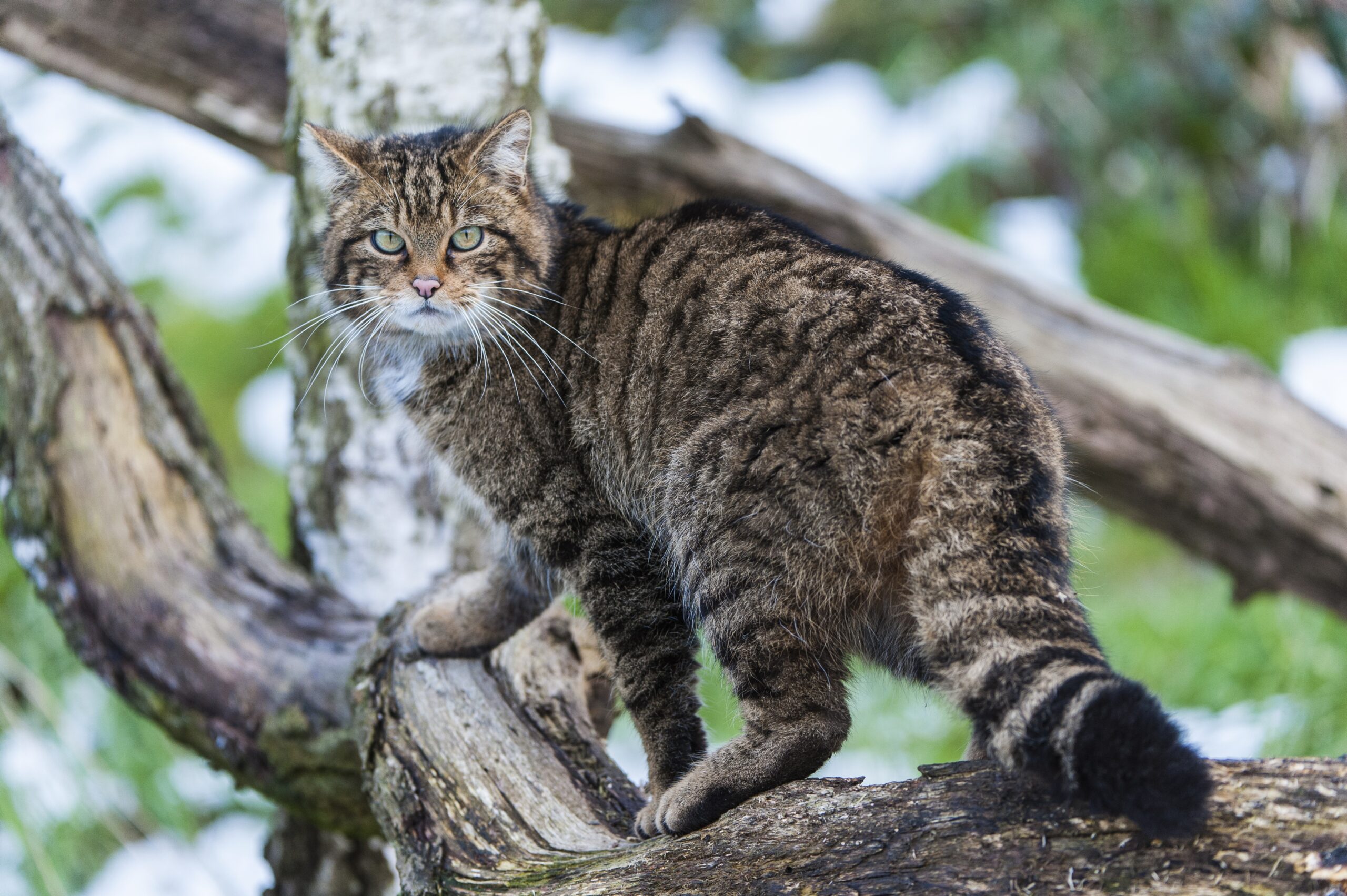
    “Scotland has already shown it can bring nature back, through the return of the Eurasian beaver, white-tailed eagle and wildcat,” said Charlotte Maddix, Advocacy Coordinator for the Scottish Rewilding Alliance. She added:

    “It’s time to build on what we’ve learned and improve the process for everyone. Leaving out a dedicated recovery fund from the Programme for Government stalls momentum. An Tilleadh would offer a framework to ensure our nature, communities and cultural heritage recover together.”

    Notes to editors

    • The Scottish Government sets out its legislative and policy priorities in the Programme for Government (PfG) every September. The latest Programme for Government did not contain targeted funding for a dedicated Scottish species recovery mechanism.
    • An Tilleadh: Scottish Gaelic noun meaning “returning,” “coming back,” or “restoration.”
    • In April 2026 the UK Government announced it would commit £90 million over three years to England’s Species Recovery Programme and public forest estate, supporting action across a wide range of species.
    • England’s Species Recovery Programme allocates £30 million specifically to its 250,000-hectare public forest estate. Forestry and Land Scotland manages 470,000 hectares – nearly double the land area. 
  • Campaigners call for Landscape Resilience Summit to build two-tier defence against escalating wildfires

    Campaigners call for Landscape Resilience Summit to build two-tier defence against escalating wildfires

    The Scottish Rewilding Alliance is calling on Scottish Ministers to convene a national Scottish Landscape Resilience Summit to bring together land managers, the Scottish Fire and Rescue Service (SFRS), scientists and policymakers to develop a long-term strategy for adapting to Scotland’s growing wildfire risk.

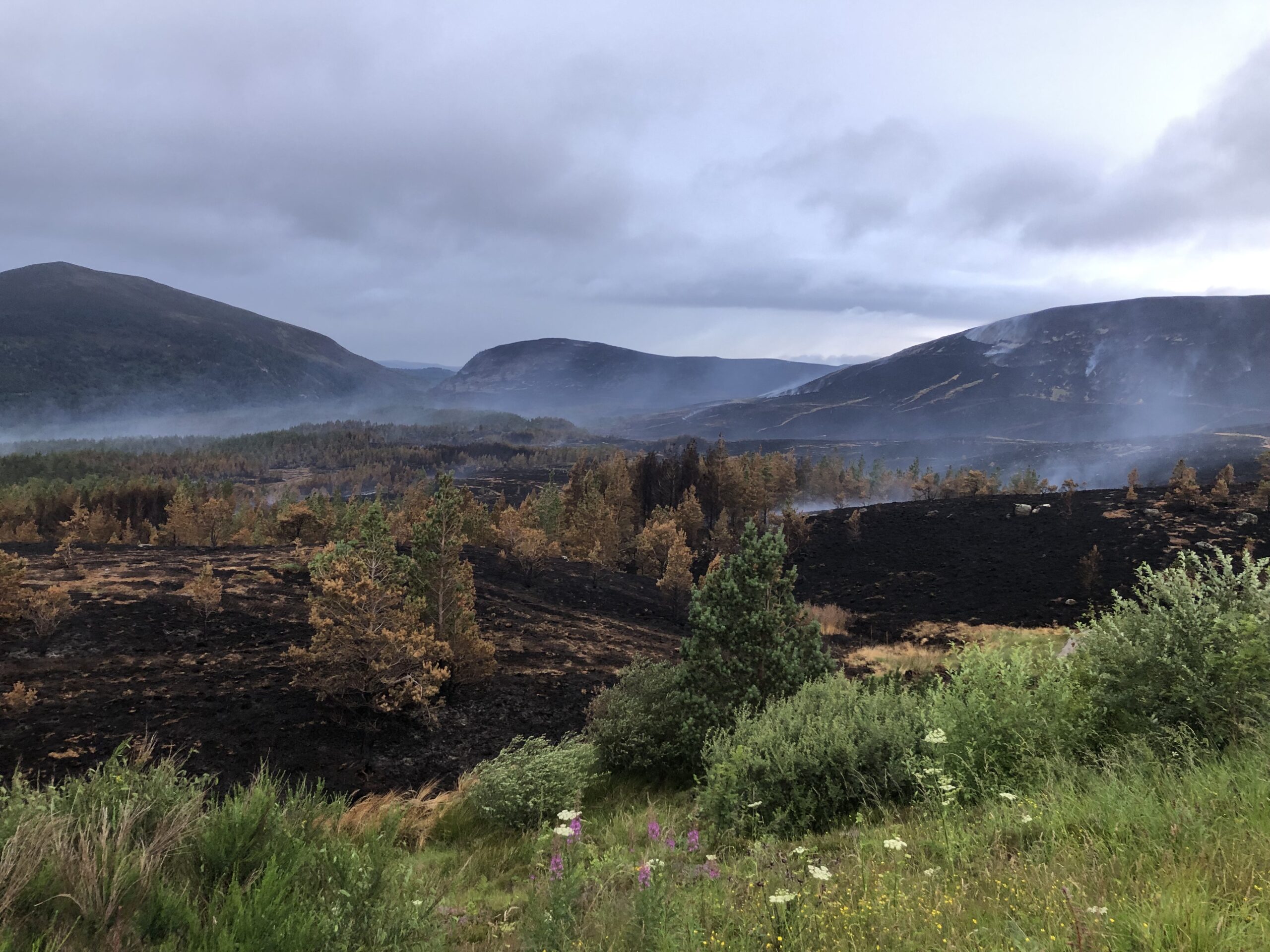
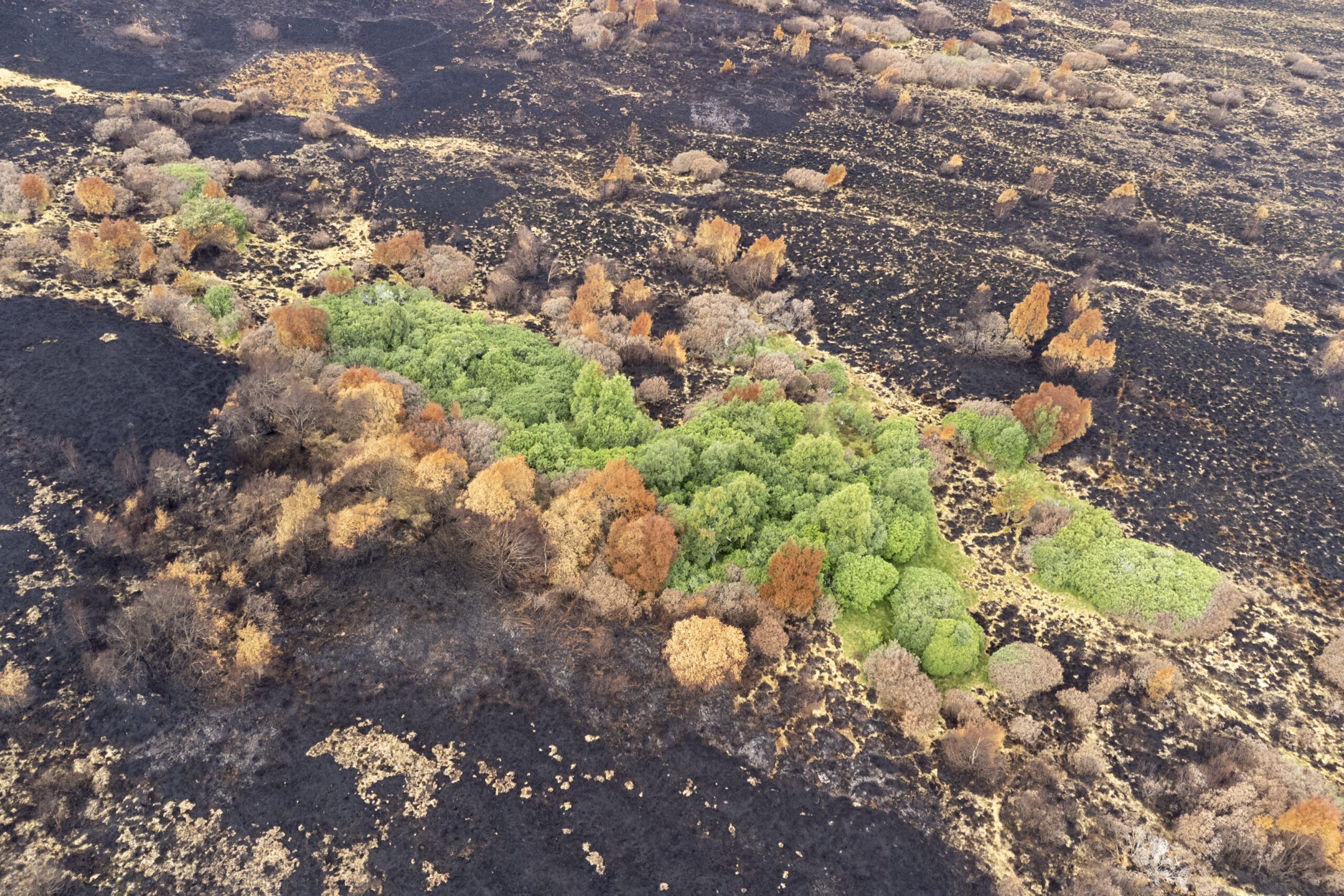
    The call follows the recent major wildfire that broke out in the Cairngorms near Aviemore, burning around ten square miles of moorland, woodland and forestry.

    Campaigners are calling for a two-tier approach: strengthening emergency response and public fire prevention measures in the short term, while also investing in landscapes that can better retain water and withstand drought and fire over the long term. 

    The call comes as concern grows over the increasing risk of wildfires in a changing climate. The Alliance says Scotland needs to build on the Scottish Government’s previous wildfire summit in 2025, which focused on emergency response, equipment and public behaviour change. Campaigners say it’s time to add long term landscape resilience and natural water management to the next phase of planning. 

    The proposed summit would explore how different approaches could work together, including conventional fire prevention measures, alongside “fire-smart” ecological restoration — such as rewetting peatlands, establishing ponds, creating native broadleaf buffer zones and restoring beaver wetlands.

    Tom Bowser, Co-Convenor of the Scottish Rewilding Alliance, said:

    “If we are to successfully adapt our landscapes for an unstable future in a changing climate, we need to bring together different perspectives, share knowledge and build trust. We need to learn from each other – and from elsewhere – about what works to reduce wildfire risk. 

    “Artificial fire breaks, carefully managed grazing to create a patchwork of different land types, wetland habitats and peatland restoration must all be on the table.”

    The Alliance says landscape resilience measures should be seen as part of a broader wildfire strategy, not a replacement for emergency response or fire prevention. Creating fire resistant landscapes is a shared responsibility that falls to everyone who owns or manages land, including those actively restoring nature. 

    Lisa Chilton, CEO of SCOTLAND: The Big Picture said:

    “Restoring nature as our climate changes and wildfires escalate is a two-part story: managing young habitat growth today is the essential bridge to a more fire-resistant landscape tomorrow. 

    “Young woodland and scrub need to be managed in such a way as to minimise fire risk while still allowing them to develop into mature, fire-resistant woodlands. So it’s vital that rewilding land managers, like all land managers, have robust wildfire plans in place. A Scottish Landscape Resilience Summit, bringing together all stakeholders including rewilding representatives, would play an essential role in finding shared solutions.” 

    Organisations and groups wishing to show support for the call for a Landscape Resilience Summit can sign here:

  • Cairngorms wildfire: why public education on fire risk and long-term investment in resilience are vital

    Cairngorms wildfire: why public education on fire risk and long-term investment in resilience are vital

    The Scottish Rewilding Alliance expresses its deep gratitude to the Scottish Fire and Rescue Service, other emergency responders, conservation staff, farmers, gamekeepers, pilots, land managers, local businesses and community volunteers helping to fight the wildfire in the Cairngorms. The collective effort from those on the ground to limit the impact on people and nature is humbling – and reminds us that we can pull together to tackle grave situations. 

    We hope that the situation continues to improve.

    A community appeal supporting response and recovery efforts on the ground can be supported through the Support for Cairngorm Wild Fires GoFundMe: 

    https://www.gofundme.com/f/support-for-cairngorm-wild-fires

    Please note that this fund is entirely independent of the Scottish Rewilding Alliance and our members and we will not receive any income from it. 

    When dry weather turns our hills and moors into tinderboxes, we hand our emergency services and land managers an almost impossible task if we do not prevent fires from starting in the first place.

    The vast majority of wildfire ignitions stem from avoidable human actions, such as disposable barbecues, discarded cigarettes, campfires, littering, or irresponsible burning during dry weather. Stopping these ignitions through an urgent national push on public education must be Scotland’s immediate priority.

    Investment in our capacity to respond quickly to wildfires is also urgent. The UK and devolved governments must come together to equip emergency services and land managers with the tools they need to stop fires in their earliest stages.

    Beyond that, to protect our landscapes in the longer term, we must improve our understanding of how wildfires burn. Wildfire research is a growing area of interest and there is much still to learn about how different land management regimes across Scotland affect the likelihood, severity and impact of fire. But evidence suggests that the primary driver of Scotland’s worst wildfires is extreme dryness rather than simple ‘fuel load’: dry vegetation ignites regardless of how it is managed, whereas wet, healthy ecosystems naturally resist burning.

    Independent analysis of the 2025 Carrbridge-Dava Moor classified the blaze as the UK’s first megafire. It also revealed that 85% of carbon emissions came not from surface heather, but from dry peat burning deep underground. When shallow peats, slopes, and soils dry out, they act as fuses, carrying surface fire deep into the earth. 

    To support our frontline responders and protect communities in a warming climate, Scotland must work at a catchment scale to re-wet key landscape features and create natural firebreaks. By blocking old drainage, restoring peatlands and establishing rich riparian habitats, we can hold water in our landscapes for longer. 

    Active beaver wetlands create green, moisture-rich buffers that help limit the spread of fires, giving those on the frontline a fighting chance to contain blazes before they turn into megafires. They also act as vital refuges for wildlife fleeing the fires. 

    Expanding native broadleaf woodlands offers another proven defence. Research shows that swapping flammable monocultures for diverse broadleaf species can cut fire intensity by up to five times, creating natural barriers that slow a blaze’s spread.

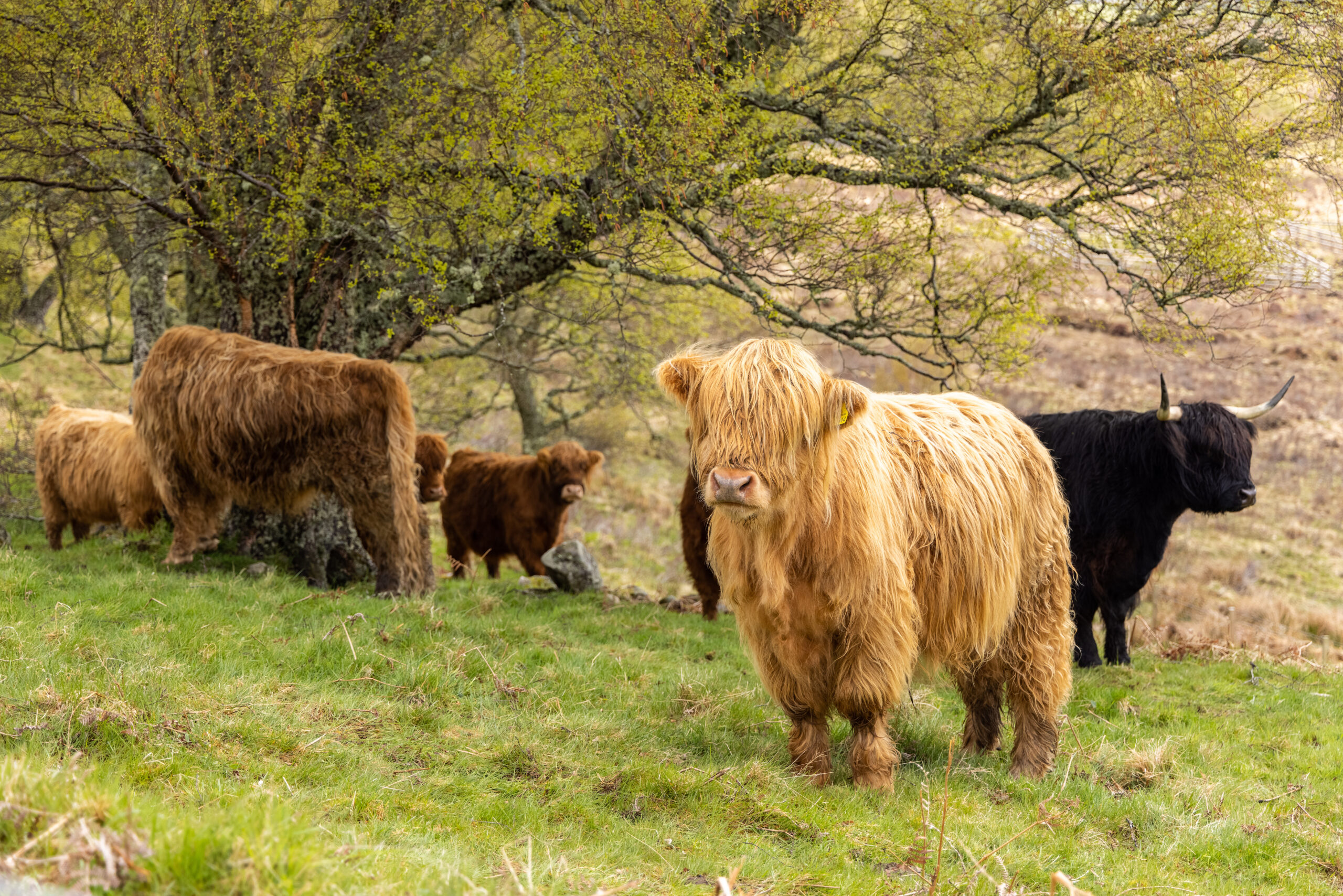
    Research demonstrates that grazing by a mixed guild of herbivores – including hardy native cattle, native ponies, wild boar and wild deer at suitable densities – can also prevent and mitigate wildfires. Free-roaming, low-density herbivores create a patchy mosaic of habitats, with trampling, wallowing, and heavy grazing creating natural, irregular firebreaks across the landscape. 

    We need wetter, more resilient landscapes using every tool at our disposal –  before the next megafire ignites.

  • Beaver restoration champion to co-lead Scotland’s alliance for nature recovery

    Beaver restoration champion to co-lead Scotland’s alliance for nature recovery

    “We need to see past old divisions and tackle the crises facing us together”

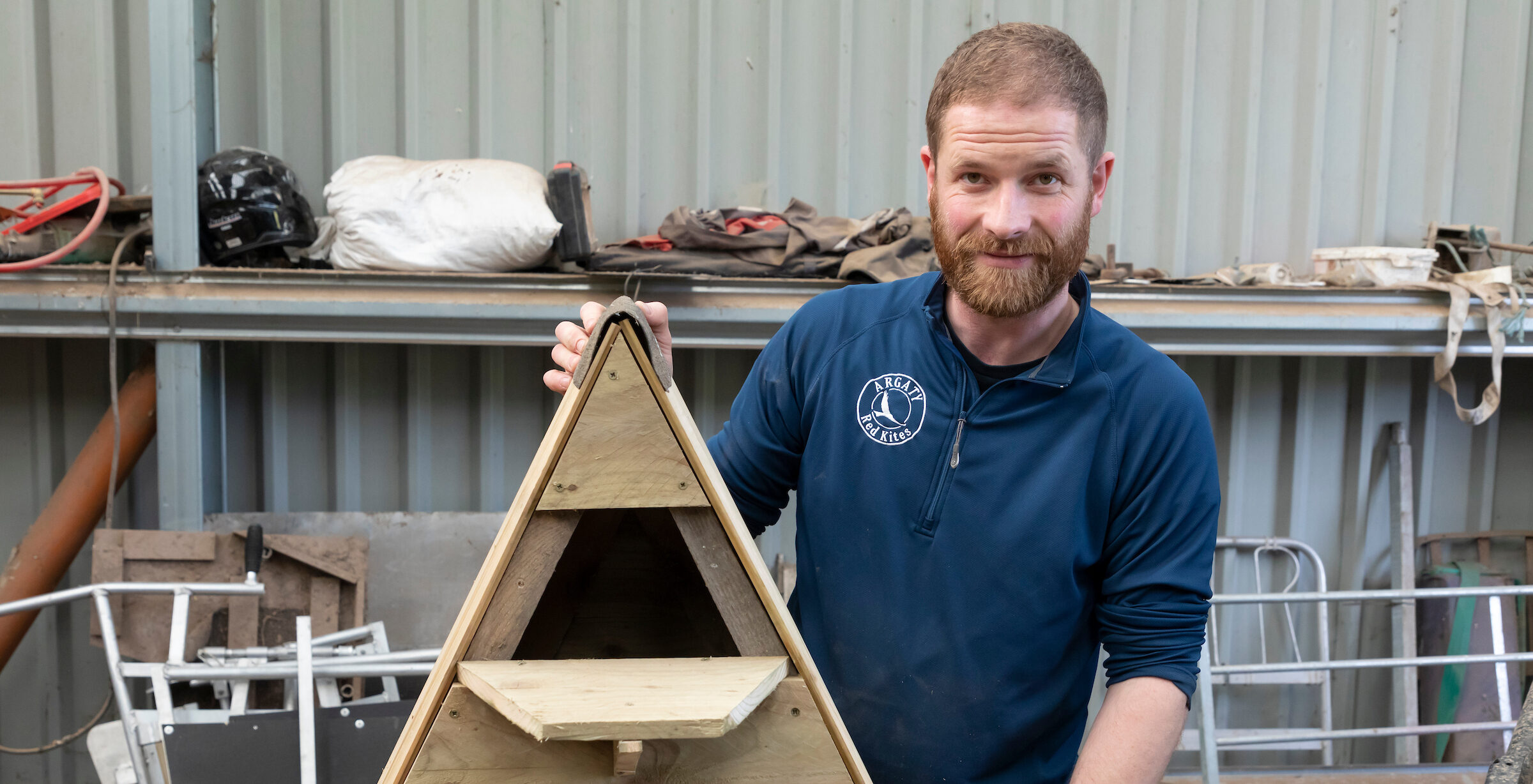
    Tom Bowser of Argaty Red Kites, a conservationist, nature writer and rewilding land manager, is to be the new Co-Convenor of the Scottish Rewilding Alliance (SRA).

    Argaty is an upland farm which has been home to the Bowser family since 1916, and to the award-winning Argaty Red Kites project for over 20 years. 

    Tom joins Dr Karen Blackport, Chair of the community rewilding charity Bright Green Nature, in representing the Scottish Rewilding Alliance. Dr Blackport also owns a market garden and provides produce to local markets. 

    Together, Tom and Karen represent a growing movement of land managers who see nature restoration and food production not as competing interests, but as parts of the same solution to Scotland’s climate and biodiversity crises. Their combined, hands-on experience underscores the Alliance’s commitment to pragmatic solutions that support both rural livelihoods and ecological health.

    Tom Bowser, Co-Convenor of the Scottish Rewilding Alliance, said:

    “The conversation around land use in Scotland is often polarised. My work at Argaty has shown me that local livelihoods and economic resilience depend entirely on restoring vibrant, living ecosystems. We need to move past old divisions and tackle the crises facing us together.”

    This transition marks the departure of outgoing Co-Convenor Steve Micklewright, CEO of Trees for Life, who will remain on the management team. The other members of the management team are Rea Cris from Open Seas, Kevin Cumming from Rewilding Britain and Lisa Chilton from SCOTLAND: The Big Picture.

    Dr Karen Blackport, Co-Convenor of the Scottish Rewilding Alliance, said: “Since 2019, Steve Micklewright has been the SRA’s Convenor and then Co-Convenor. Steve has brought grit, dedication and insight to Scotland’s rewilding movement at a critical time. We all owe him a huge debt of gratitude for his leadership. 

    “As we look ahead to 2030, rewilding needs to be front and centre as a solution to Scotland’s challenges. If you want to get behind this mission, join us at the Scottish Rewilding Alliance.”

    The SRA will continue to advocate for a wilder Scotland, where thriving communities are sustained by healthy ecosystems. 

    The SRA is calling on individuals, community groups, landowners and organisations across Scotland who share this vision for a wilder, more prosperous country to join the movement. By becoming a member, you help amplify the voice for nature recovery and support practical, land-based solutions on the ground. To join or learn more, visit www.rewild.scot/join

    ENDS

    Suggested image caption: Beaver restoration champion, Tom Bowser, of Lerrocks Farm and the award-winning Argaty Red Kites project, will be the new Co-Convenor of the Scottish Rewilding Alliance.

    Media enquiries:

    Sally Wallis

    sally@scotlandbigpicture.com

    07961980152

    Charlotte Maddix

    charlotte.maddix@rewild.scot

    07562 913 551

    Notes to editors

    The Scottish Rewilding Alliance is a coalition of more than 20 organisations working together to help nature recover across Scotland. Founded in 2019, the Alliance works with communities, land managers and policymakers to champion rewilding through evidence-based advocacy, public engagement and collaborative action, with the aim of creating a healthier natural environment and thriving nature-based economies that benefit both people and wildlife.

    For more information visit: https://www.rewild.scot/

  • Scotland has voted – now our new government must deliver for nature

    Scotland has voted – now our new government must deliver for nature

    Comment piece by Kevin Cumming, Rewilding Director at Rewilding Britain. Originally published in the National 08/06/2026.

    7 May saw the SNP return as the largest party at Holyrood with 58 seats, though falling short of a majority. A new cabinet has now been formed, and the absence of Nature Minister has not gone unnoticed. Scotland’s nature is crying out for strong leadership – but will the new government deliver?

    As a former land manager, I know how much government policy shapes what happens on the ground, on our hills and across our forests – as well as in our rivers, lochs and seas. Scotland is one of the most nature-depleted countries in the world, and the next parliamentary term will either create real progress toward a wilder Scotland, or continue to hold us back. We cannot afford the latter.

    In the lead up to the election, on World Rewilding Day, the Scottish Rewilding Alliance hosted the first-ever rewilding hustings. For the first time, members of the public were given the chance to question political party representatives on how they will create a wilder Scotland.

    Every political party that showed up – the SNP, Scottish Labour, Scottish Greens, Liberal Democrats, and Reform UK – said they supported rewilding. When asked about the reintroduction of the lynx, they all agreed it was something they would seriously consider. 

    We need a government that views ecosystem restoration as a key part of other policy areas too. Rewilding delivers exactly that. Not only reversing biodiversity loss but also contributing to climate change mitigation, buffering against floods and droughts, securing our soil and boosting human health and wellbeing.

    To turn passive political goodwill into a real plan for recovery, the new government must commit to restoring and rewilding at least 30% of Scotland’s land and sea by 2030. This can’t just be an aspirational slogan. 

    We need robust nature recovery targets, a dedicated Nature Minister, and a comprehensive species recovery policy that outlines clear pathways for reinforcing and reintroducing keystone species like the Eurasian Lynx. 

    Crucially, we also need to unlock funding for large-scale nature recovery by rethinking our rural subsidy system. People should be at the heart of decisions about our land and seas. By doing this, the government won’t just be saving nature – it will be generating green jobs and securing the long-term resilience of our communities.

    The electoral maths has changed, and with it come risks but also opportunities. Reform UK, who attended the hustings, have entered Holyrood for the first time with 17 seats. The Scottish Greens, the one party who gave us specific manifesto commitments at the hustings, won 15 seats and made history by winning their first ever constituency seats. These results matter for nature. With power shifting across the parliament, pushing harder for nature at this stage could open the door to nature surging back.

    We need to restore and repair the missing and broken pieces of our ecosystems, and in doing so, rebuild and re-people our struggling rural areas with thriving, sustainable economies. But this vision requires political courage. We need a definitive plan, backed by policy, legislation and targets. It is time for our leaders to deliver a strategy that repairs Scotland’s natural world and secures the future of the communities that depend on it.

    Over 1,500 people have already signed the Scottish Rewilding Alliance’s open letter to the First Minister calling for a Nature Minister: https://actionnetwork.org/petitions/scotland-needs-a-nature-minister

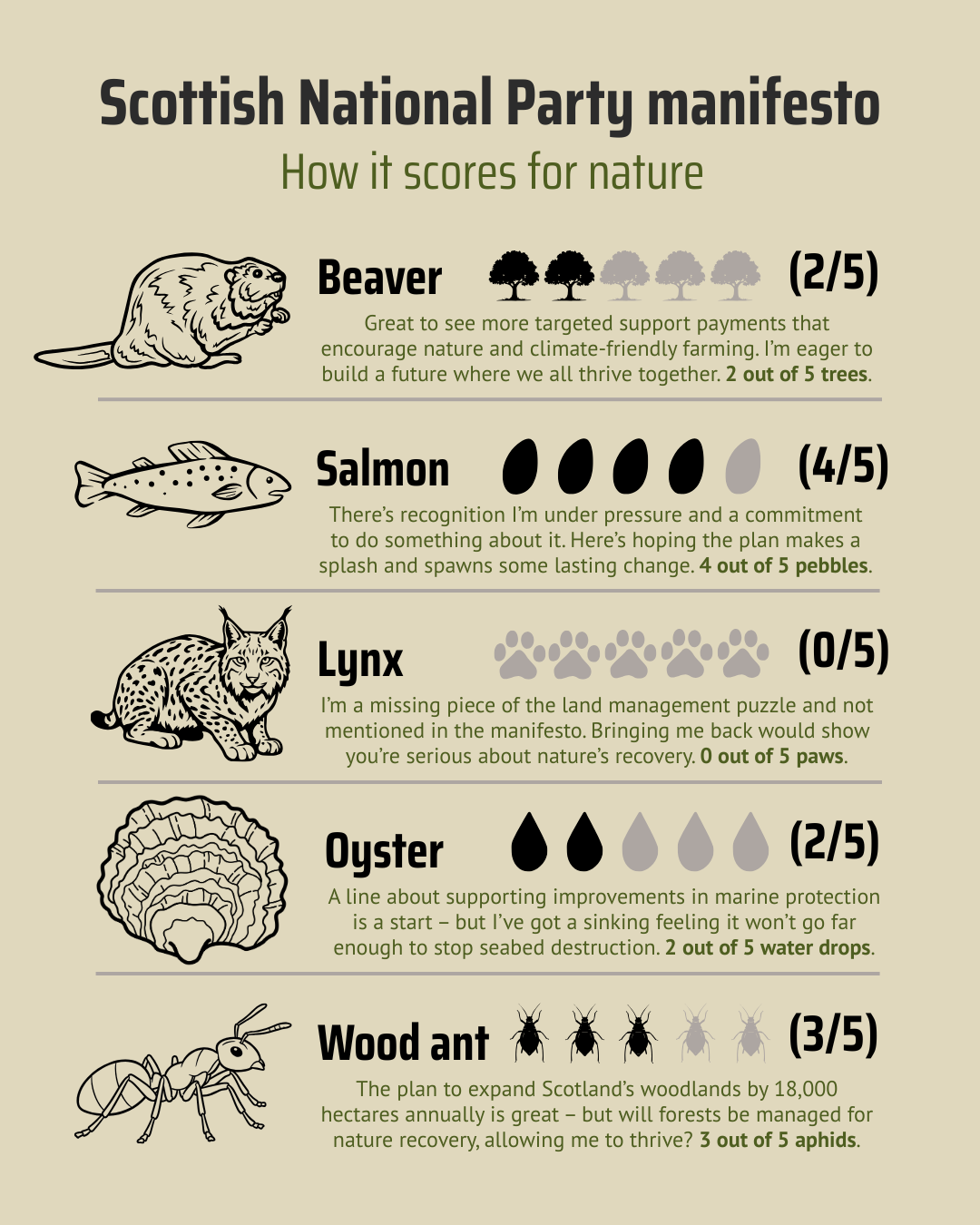
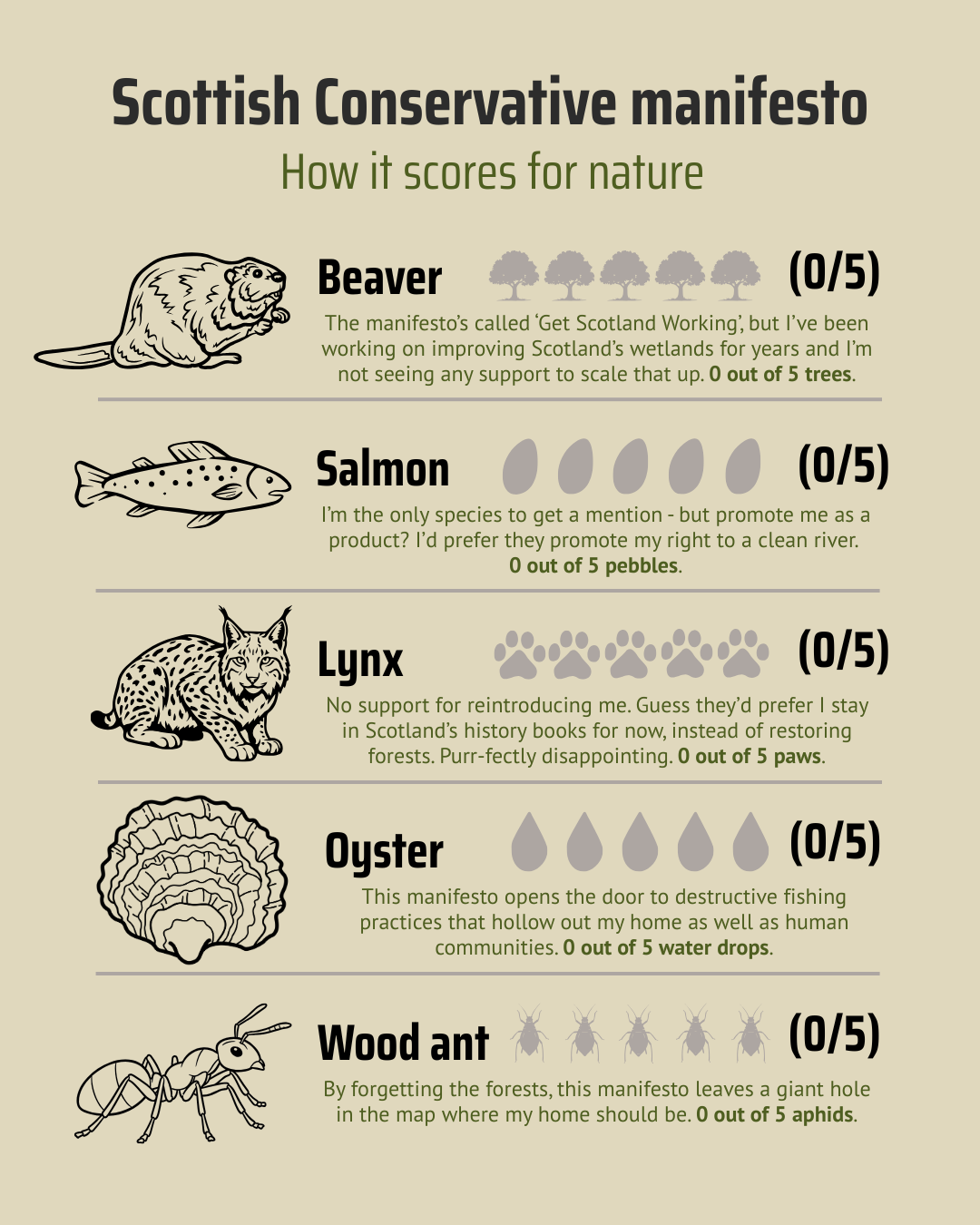
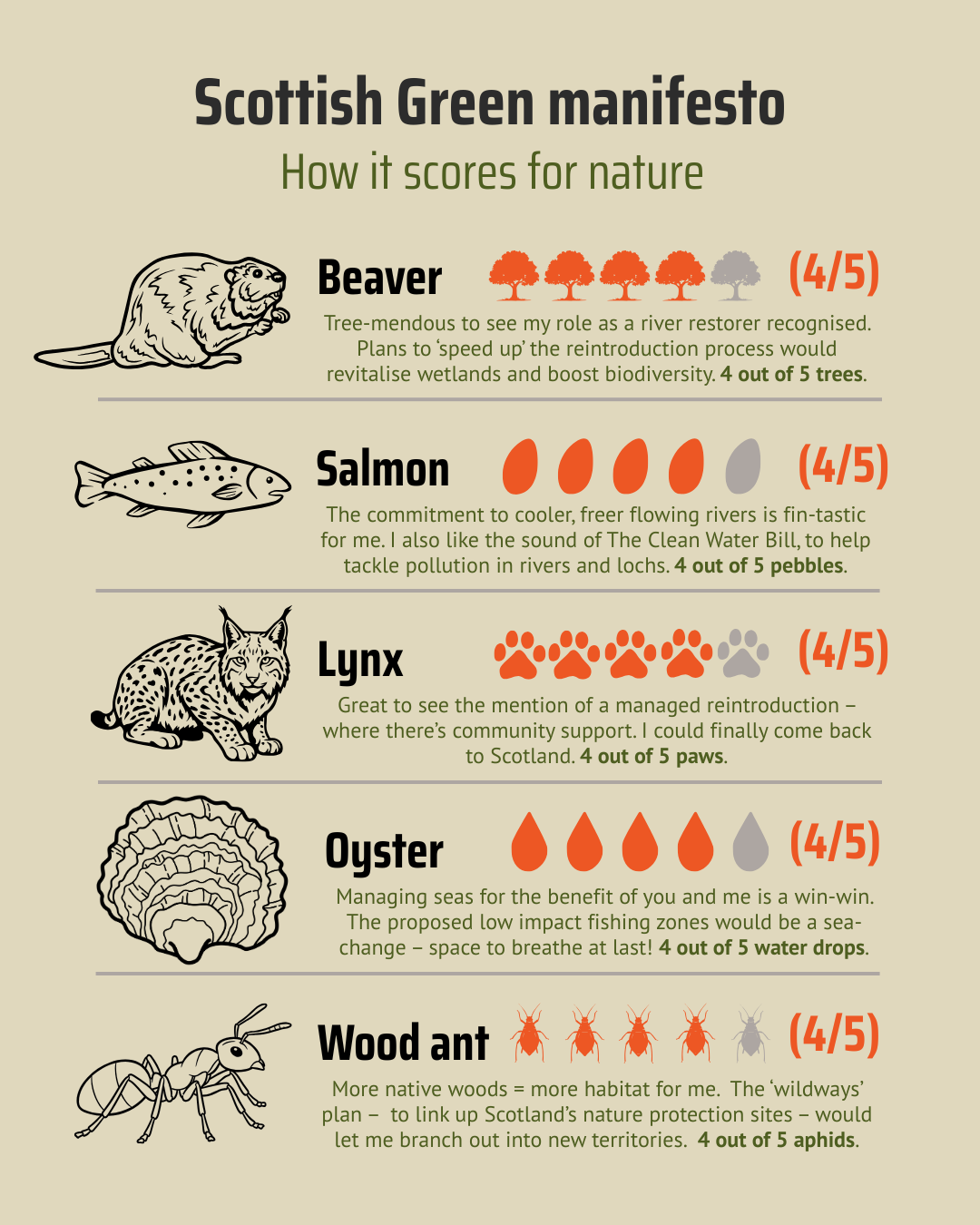
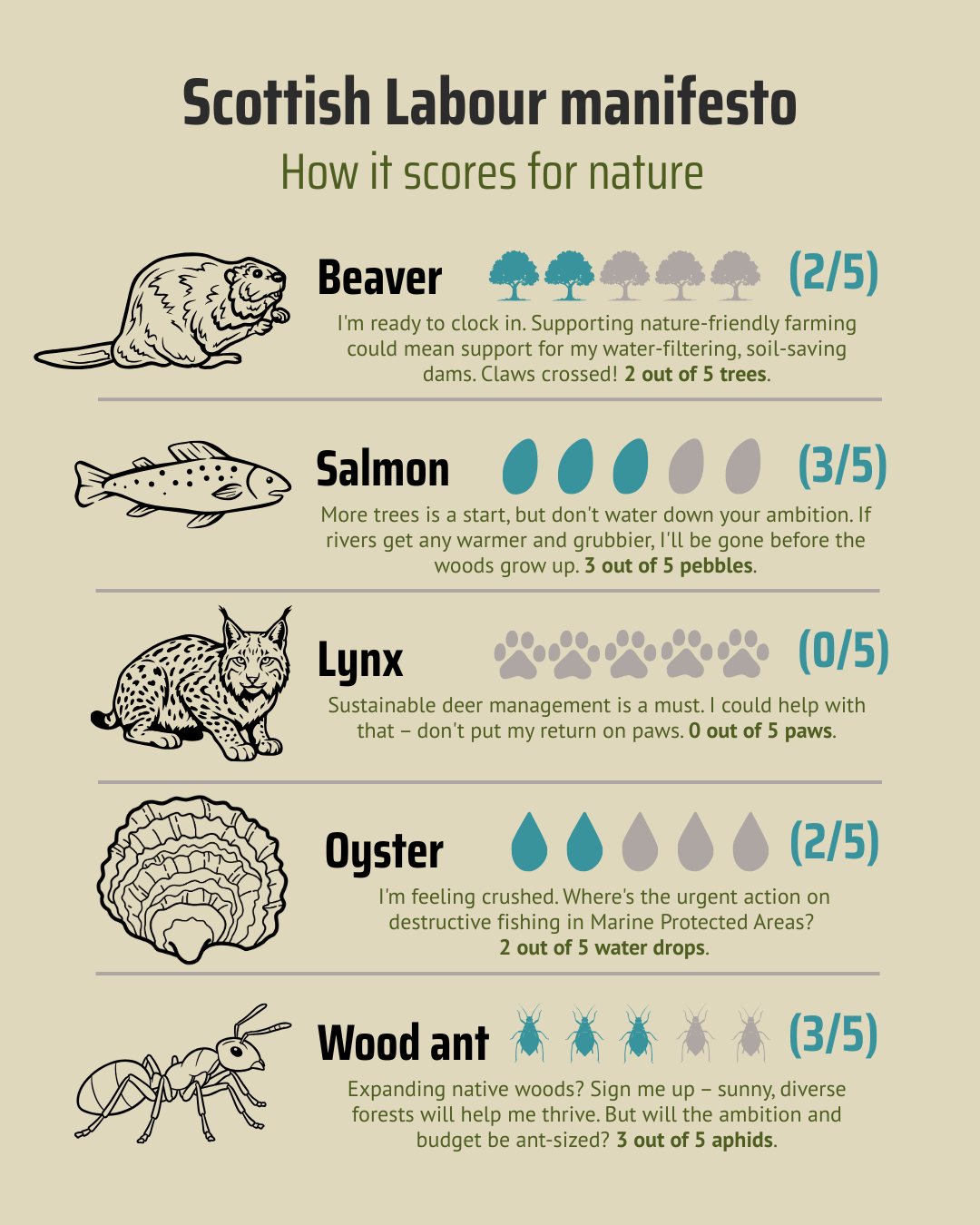
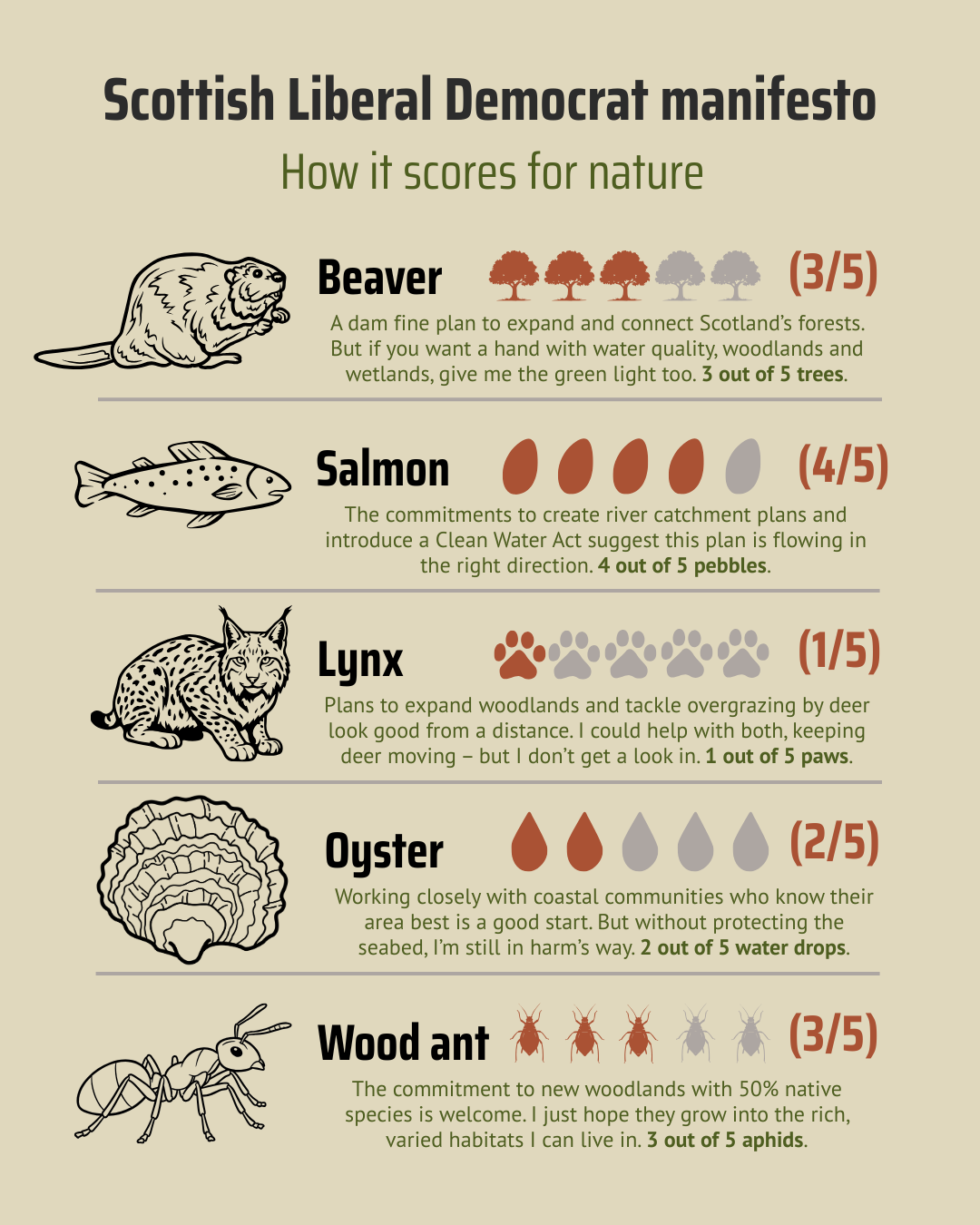
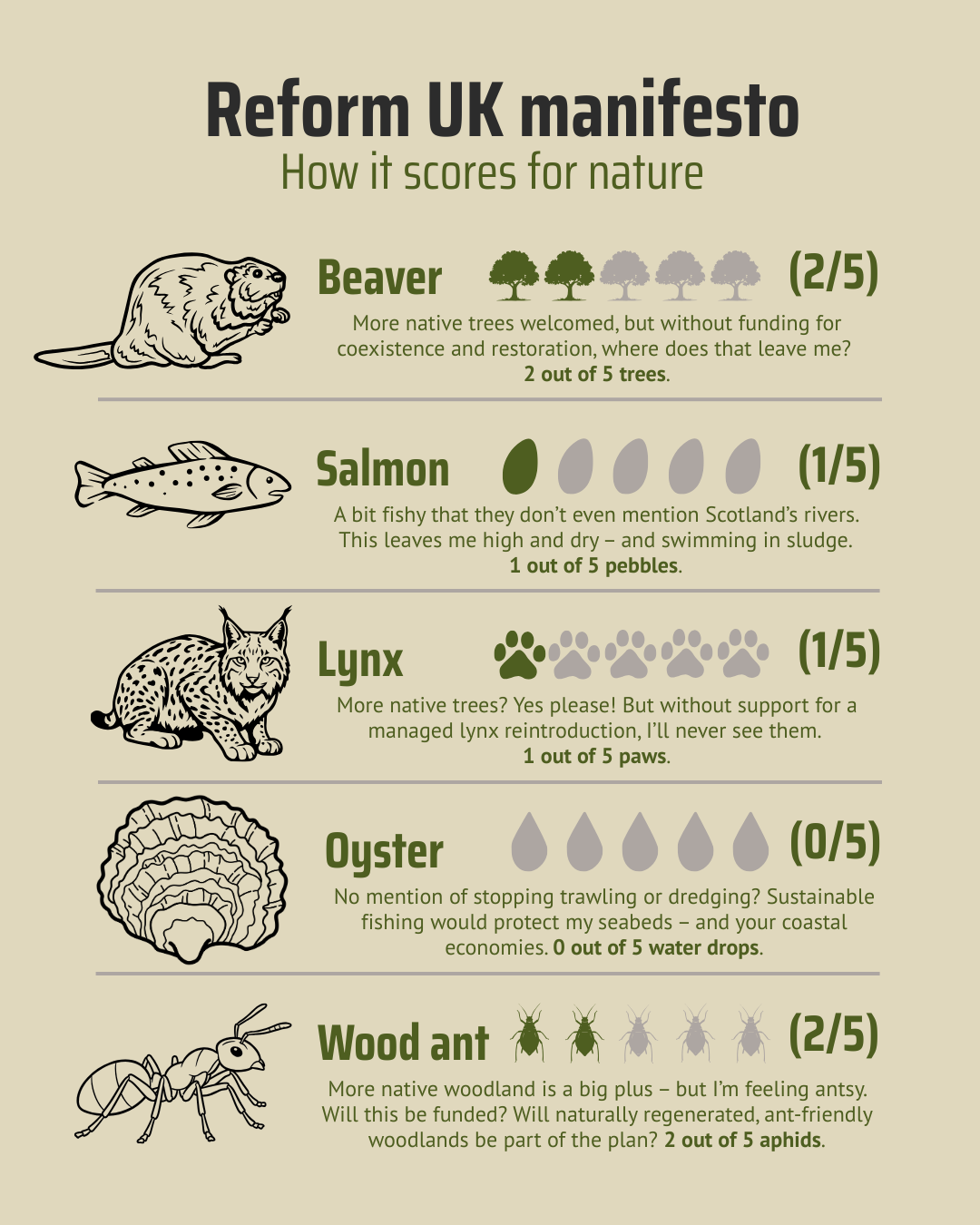
  • How do Scotland’s election manifestos deliver for wilder nature?

    How do Scotland’s election manifestos deliver for wilder nature?

    Scotland goes to the polls on 7 May. But what are political parties actually offering for wilder nature?

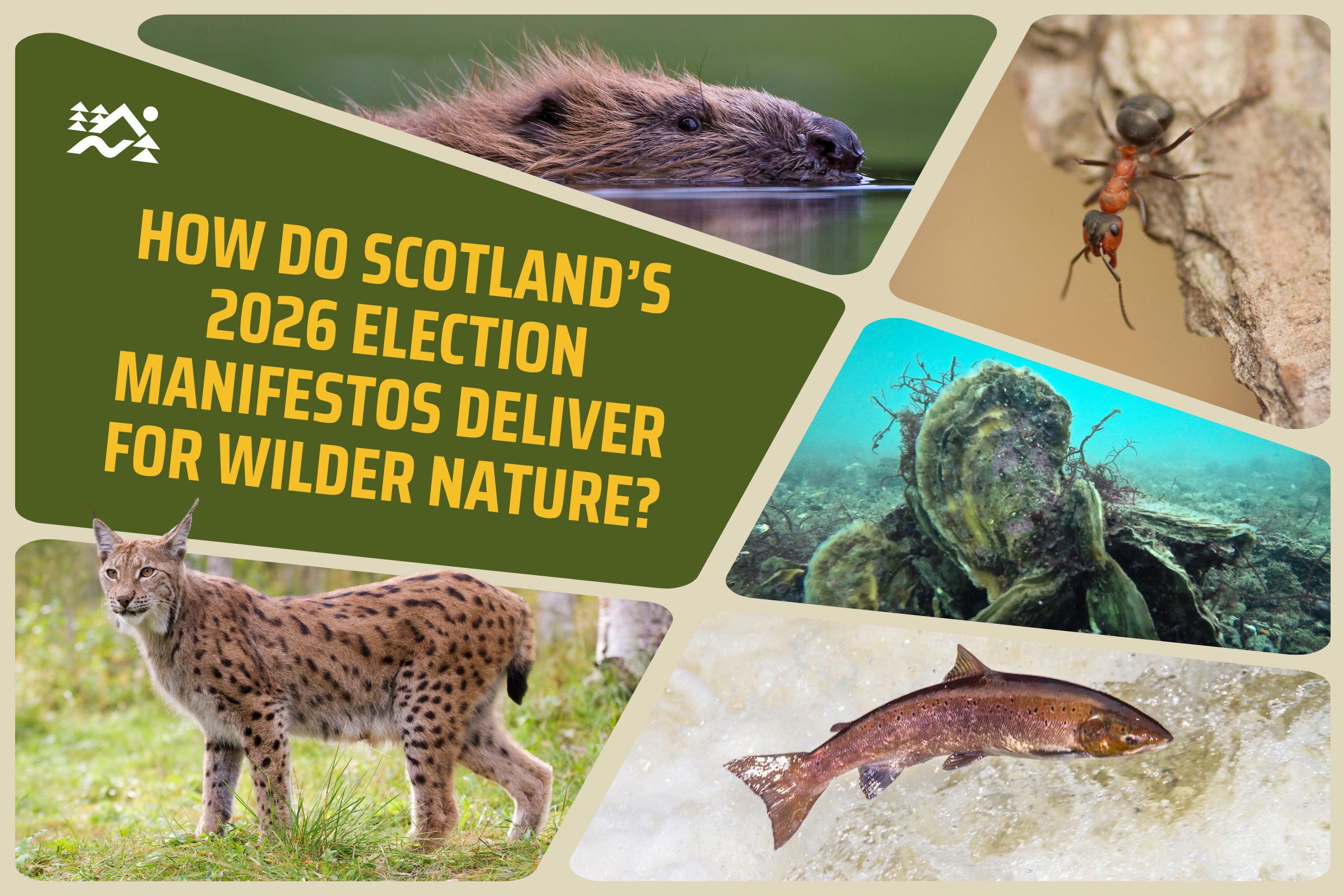
    To find out, we asked a panel of Scotland’s keystone species* to review each party’s manifesto. Together, they’ve assessed what’s being proposed, what’s missing, and what it could mean in practice.

    Here’s what they found.

    *A keystone species is any organism that keeps an ecosystem working properly. They have a big impact relative to their numbers. Keystone species can include predators that help control the numbers of other species, ecosystem engineers that change habitats around them or species that create invaluable interactions in an ecosystem.

    The manifestos: reviewed

    Introducing the panel

    The Atlantic Salmon (Salmo salar) has called Scotland’s rivers home for over 10,000 years, arriving as the glaciers retreated. This iconic travelling species is a living link between freshwater burns and the open ocean. But warming waters, leaking pollution and straightened rivers have taken a toll on its habitat. The salmon’s rating reflects whether a manifesto offers a future with a living river system – or a network of dying streams. 

    The Eurasian Beaver (Castor fiber) was the architect of wetlands across Scotland before being hunted to extinction 400 years ago. Since its official reintroduction in 2009, it’s been hard at work reshaping the land around us, boosting biodiversity and mitigating floods. The beaver’s score is determined by a manifesto’s commitment to ongoing, multi-stakeholder work to return the beaver to more of Scotland’s rivers. 

    The Eurasian lynx (Lynx lynx) has been missing from the Scottish landscape for hundreds of years, following the decline of its forest home. As an apex predator, the lynx – already reintroduced successfully across Europe – is a missing piece of the puzzle for deer management and woodland regeneration. The lynx’s score measures whether a manifesto supports the need for continued conversations around managed reintroduction. 

    The European flat or native oyster (Ostrea edulis) once formed massive, water-filtering reefs beneath the waves that protected shorelines and sheltered young aquatic animals. Its population numbers collapsed due to overfishing and destructive fishing practices. The oyster is looking out for policies that would enforce protections in Marine Protected Areas and allow Scotland’s seas to recover. 

    The Wood Ant (Formica aquilonia) manages Scotland’s forests, maintaining soil health and regulating insect numbers. To thrive, it needs complex, messy and interconnected native woodlands. The wood ant’s rating assesses whether a manifesto’s approach to trees prioritises biodiversity and connectivity. 

    What next?

    The next Scottish Parliament will play a key role in whether Scotland meets its target of becoming nature-positive by 2030.

    With the next election falling in 2031 – a year after that deadline – early action from our elected politicians will be critical.

    The health, abundance and diversity of our nature is critical to the survival of our species. Nature puts food on our plates, water in our taps and air in our lungs. 

    As a country where natural processes have been disrupted or broken, we have a long way to go – but rewilding can help us get there faster.

    If you want to see nature at the heart of decision-making, write to those seeking your vote and ask them to support a Rewilding Nation.

    Manifestos were judged by the panel according to a scoring matrix. 

    • Manifestos scored a 5 if our panel members identified legally binding targets, specific ring-fenced funding and/or a clear timeline for relevant policy commitments.
    • Manifestos scored a 4 if there was solid support for relevant policies and/or recognition of the species’ role, but did not include specific funding, a timeline and/or a clear legal mechanism for enforcement.
    • Manifestos scored a 3 if relevant policies were mentioned, but species were not explicitly named and/or a clear plan for implementation was missing.
    • Manifestos scored a 2 if relevant policies were mentioned but it was not clear how they would accommodate the needs of the panel. 
    • Manifestos scored a 1 if the manifesto ignored habitats and species, lacking any policies.
    • Manifestos scored a 0 if the manifesto actively promoted destructive practices. 

    Each panel member was also looking for particular ideal policy commitments. 

    • The beaver was looking out for support for riparian woodlands and incentives for nature-friendly farming practices, especially in the form of redesigning rural support payments. 
    • The salmon was interested in river restoration commitments, including riparian woodland creation and cleaner water. 
    • The lynx was – naturally – looking for a commitment to a managed lynx reintroduction where communities are in support. 
    • The oyster wanted to see real protection from destructive fishing practices in marine protected areas. 
    • The wood ant wanted to see native woodlands expanded and diverse forests created. 
  • Hundreds attend Hope for Nature Hustings as missing voice for nature represented by toy lynx

    Hundreds attend Hope for Nature Hustings as missing voice for nature represented by toy lynx

    The Scottish Rewilding Alliance hosted a landmark national hustings on World Rewilding Day last month (20 March), bringing together political leaders to debate the future of Scotland’s natural environment.

    Five of the six political parties represented in parliament took part in the Hope for Nature Hustings, with one notable absence. The Scottish Conservatives were unable to send a representative – so a Eurasian Lynx stuffed toy took the final seat on the panel to symbolise Scotland’s missing species. 

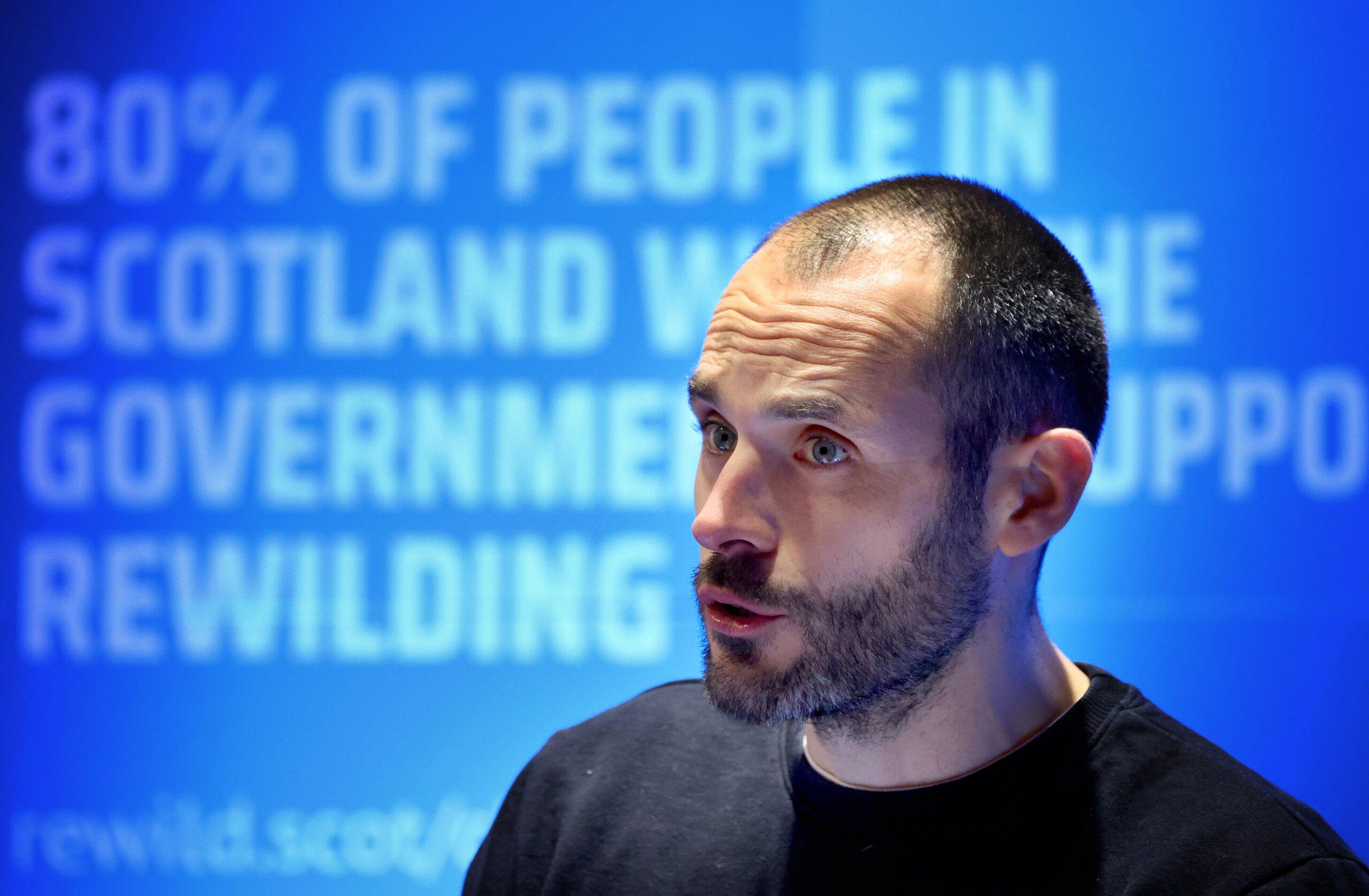
    The event, which took place at the Pitlochry Festival Theatre and online, was the first ever rewilding themed hustings, organised ahead of the Scottish elections in May. Research has shown that public support in Scotland for rewilding is strong, with 80% believing the Scottish government should implement policies to support rewilding. 

    Over 200 people attended the event asking questions on topics ranging from the recovery of Scotland’s seabeds to the reintroduction of the real Eurasian lynx. Monica Lennon’s Ecocide Bill was also mentioned, with panellists expressing support for its return in the next parliament. 

    Land reform and the need to rewild for the benefit of all was also discussed. 

    The event was also featured in many of Scotland’s national media, including the Daily Record, the Herald, the National and STV.

    Karen Blackport, Co-Convenor of the Scottish Rewilding Alliance and CEO of Bright Green Nature, said:

    “Rewilding is critically important to our futures. It offers hope – hope that we can restore our land and seas from our nature-depleted starting point. It was fantastic to have so many people, in person and online, taking part in the debate, and it was great to see the national media showcase the hustings too.

    “We’re grateful to the SNP, Scottish Greens, Scottish Labour, Scottish Liberal Democrats and Reform UK for being in the room, and we look forward to continuing the conversations with them in the run-up to the elections, and beyond.”

    Kevin Cumming, Deputy Convenor of the Scottish Rewilding Alliance and Rewilding Director of Rewilding Britain, said:

    “We know that public support for rewilding is strong. Before Scotland goes to the polls in May, we’re challenging political leaders to set out their vision for how they intend to rewild and repeople our country. Whether we’re talking about bringing back missing species, changing how we manage our land and seas or revitalising local communities, Scotland’s politicians need to show up for the debate.”

    He continued:

    “Rewilding is about restoring the missing pieces of our ecosystems, and tonight, we were faced with a missing piece of our panel. That gap was represented on stage by the Eurasian Lynx, a medium-sized cat that lives across Europe. It is notoriously shy and rests under cover during the day to avoid people.”

    The Alliance confirmed that a formal invitation was extended to the Scottish Conservatives in January 2026, with several follow-up attempts made and acknowledged by the party. To maintain the non-selective nature of the hustings required by electoral law, the Alliance kept their seat available on stage throughout the evening.

    Following the hustings, the Alliance will share a write-up of all the questions raised with Scotland’s political parties.

    ENDS

    Notes to editors

  • Statement: Scotland’s Fourth Land Use Strategy – does it hit the mark?

    Statement: Scotland’s Fourth Land Use Strategy – does it hit the mark?

    The challenges facing Scotland’s nature are immense. Does the new Land Use Strategy hold the key to facing them down? 

    Scotland’s government has made bold promises for nature. By 2030, we will be a nature positive country. By 2045, we will have regenerated and restored our biodiversity. Does Scotland’s new Land Use Strategy, published this week, provide a path to making these promises a reality?

    Its ambition, supported by stakeholders who fed into the consultation, is to provide clarity. The relationship between government strategies, plans, policies and actions, stakeholders said, is not always clear. 

    We agree. 

    For rewilders, how they fit into the government’s plans at all is decidedly unclear. On the one hand, rewilding’s ability to contribute to ecological recovery is badly needed. On the other hand, there is no dedicated funding, action plan, strategy or policy to encourage rewilding in Scotland.

    As a country, how we use our nearly 8 million hectares of land is fundamental to meeting these challenges. From our land can come climate change mitigation and resilience, nature recovery, food, timber and fibre production, clean air and water, and energy provision. Land can be the lynchpin of our economy, and integral to our collective health and personal wellbeing. Scotland’s Fourth Land Use Strategy rightly recognises all of this. 

    But for Scotland’s land to serve these purposes in time to meet our targets, we must make choices about how we use our land. While we welcome the principle that integrating land uses is key, we need to recognise that each piece of land will have a primary use – and sometimes, wilder nature is the best and most productive use of land. 

    The illustrations in the Land Use Strategy show the missing piece of the puzzle: the closest thing to wilder nature shown is ‘semi-natural landscapes’. 

    Land where nature is the primary use isn’t in the picture – literally. This is despite the strategy recognising that biodiverse landscapes lead to more productive agricultural land (along with all their other many benefits). 

    A growing body of evidence, from Scotland and across the world, tells us that rewilding is a vital tool for recovering our lost nature and stabilising our climate. It’s boosting pollinator populations, vital for food production. It’s bringing birds back, essential for seed dispersal and nature recovery. It’s regenerating our seabeds, boosting biodiversity and sequestering carbon. It’s putting money into fragile rural economies. 

    Rewilding offers a pathway to the large-scale recovery of nature and communities across Scotland. It is inspiring. It is popular. 

    That’s why we responded to the consultation to call for 30% of Scotland to be managed for the restoration of natural processes. We would like to see these areas support a diversified, resilient and just economic transition alongside the large-scale restoration and rewilding of nature. 

    Being clear about where rewilding fits into the wider pattern of land use would help revitalise local communities and support the Scottish Government to meet existing nature and climate commitments. 

    Disengaging from difficult conversations will hold us back. But the Scottish Government’s Fourth Land Use Strategy is silent on rewilding. This strategy should influence the work of those implementing rewilding principles across Scotland alongside all others managing land. Ignoring its potential weakens the strategy. 

    The Fourth Land Use Strategy is a far-reaching document, laying out a vision, purpose and shared outcomes for land use across the country. It argues for acting “in an integrated, inclusive, and collaborative way”. We can look forward to a delivery plan following on its heels in the next 12 months. Perhaps, at last, here is a land use strategy that will be actively used by everyone who makes decisions about land use in Scotland. 

    But to really do that – it must include everyone. 

  • Scottish politicians to take part in first ever rewilding hustings ahead of May elections

    Scottish politicians to take part in first ever rewilding hustings ahead of May elections

    • Hustings to take place at Pitlochry Festival Theatre following backing by Alan Cumming last year
    • Cumming shared details of event with his 853,000 Instagram followers on Friday

    Politicians from all major political parties are set to take part in the first ever hustings dedicated to debating rewilding issues, ahead of Scotland’s elections this May.

    The Rewilding Nation: Hope for Nature Hustings event is taking place at Pitlochry Festival Theatre on World Rewilding Day, Friday 20 March. It follows the public backing for rewilding last year by Scottish actor and Pitlochry’s Artistic Director, Alan Cumming, who shared details of the event with his 853,000 Instagram followers last Friday.

    All six political parties currently represented in the Scottish Parliament have all been invited to take part on the panel. The hustings will be chaired by TV and radio presenter Jennifer Reoch.

    The non-partisan event is being organised by the Scottish Rewilding Alliance, a coalition of more than 20 charities, community groups and rural enterprises. It will give voters the opportunity to compare political visions, ask questions, and understand the commitments each party is willing to make.

    Steve Micklewright, co-convenor of the Scottish Rewilding Alliance and chief executive of charity Trees for Life, said: “Scotland is facing a pivotal election in May. With the future of our land, wildlife and communities at stake, the hustings will give the public a direct voice on the need for large-scale nature restoration and the extensive benefits this could bring for people, nature and climate in Scotland.

    “We’re also pleased to be holding the hustings in Perthshire, home to the most rewilding spaces in Scotland. By holding it in Pitlochry, we’re also putting rural voices front and centre in holding politicians to account.”

    Research has shown that public support in Scotland for rewilding is strong, with 80% believing the Scottish government should implement policies to support rewilding. 

    You can register your free place at the rewilding hustings here: https://hopefornature.eventbrite.co.uk.

    The Rewilding Nation Charter at www.rewild.scot/charter, calling on the Scottish Government to declare Scotland a rewilding nation, has been signed by thousands of people. The campaign has been backed by high-profile names including Hollywood star Leonardo DiCaprio, actor Brian Cox, singer Nathan Evans, and activist Laura Young (Less Waste Laura).

    Last year, speaking about the Rewilding Nation campaign to see nature restored across 30% of Scotland’s land and seas, Alan Cumming said: “Scotland could have more forests, healthier seas, and lusher wildlife. Rewilding is how we can make that happen – bringing with it balance, hope, and fantastic opportunity – creating jobs, teaching new skills, and bringing people together to look after Scotland’s future.”

    ENDS

    Notes to editor

    Media contacts:

    Ian Morton; 07811 183633; ian.morton@campaigncollective.org

    Images: Download at https://bit.ly/RewildingNationimages. Please credit as per file name. One- time use only; images should not be used in relation to any other messaging, stored for future use, passed to a third party, or sold for commercial use.