
The Scottish Government is underfunding Scotland’s wildlife, warns the Scottish Rewilding Alliance today, following the release this week of the Scottish Government’s priorities for this session.
Despite receiving £7.38m generated by the UK’s species recovery programme, Ministers have omitted a dedicated fund from this week’s Programme for Government — leaving native species without targeted financial support.
To bridge this gap, the Alliance is calling on the Scottish Government to ringfence the £7.38m to establish ‘An Tilleadh’ — a dedicated fund to restore missing and critically endangered species across Scottish land and seas.
The Alliance says that Scotland needs a dedicated Species Recovery Fund that funds the whole process of recovery: from ecological assessment and community engagement through to reintroduction, mitigation, monitoring and long-term stewardship.
The UK Government has committed £90 million over three years to England’s Species Recovery Programme and public forest estate, supporting conservation projects including habitat restoration, captive breeding and species reintroductions. This includes “Wild Again: Restoring England’s Wildlife”, a campaign to protect and recover native species.
Scotland will receive £7.38 million over the same period, due to a population-based funding formula. With the Programme for Government, which lays out the government’s priorities, failing to mention species recovery, it is unclear whether this funding will be directed towards species recovery or spent on non-environmental purposes. This funding gap threatens Scotland’s legally binding 2030 climate and biodiversity targets.
Adding further uncertainty to this financial pressure, the Programme for Government also sets out plans to merge SEPA, NatureScot, Zero Waste Scotland, and Scottish Forestry into a single agency to achieve efficiency savings.
Tom Bowser, Co-Convenor of the Scottish Rewilding Alliance, said:
“Reorganising public bodies must not become an excuse for inaction. Scotland needs real investment on the ground to bring our wildlife back from the brink and return missing species to our landscapes, creating benefits for people, nature and climate.”
The alliance also urges the Scottish Government to act immediately on four priorities:
- Strictly protect the £7.38 million generated through Barnett consequentials for species recovery, preventing it from being absorbed into general departmental budgets.
- Pressure the UK Government to adopt a proportionate, fair-share model based on natural landmass and assets.
- Formalise a gold-standard collaborative framework for building consensus and agency around species reintroductions, integrating local heritage, nature connectedness and Scotland’s official languages into nature recovery.
- Ensure that the proposed merger of environment agencies results in a public body equipped to lead on the monitoring, protection and restoration of Scotland’s nature.
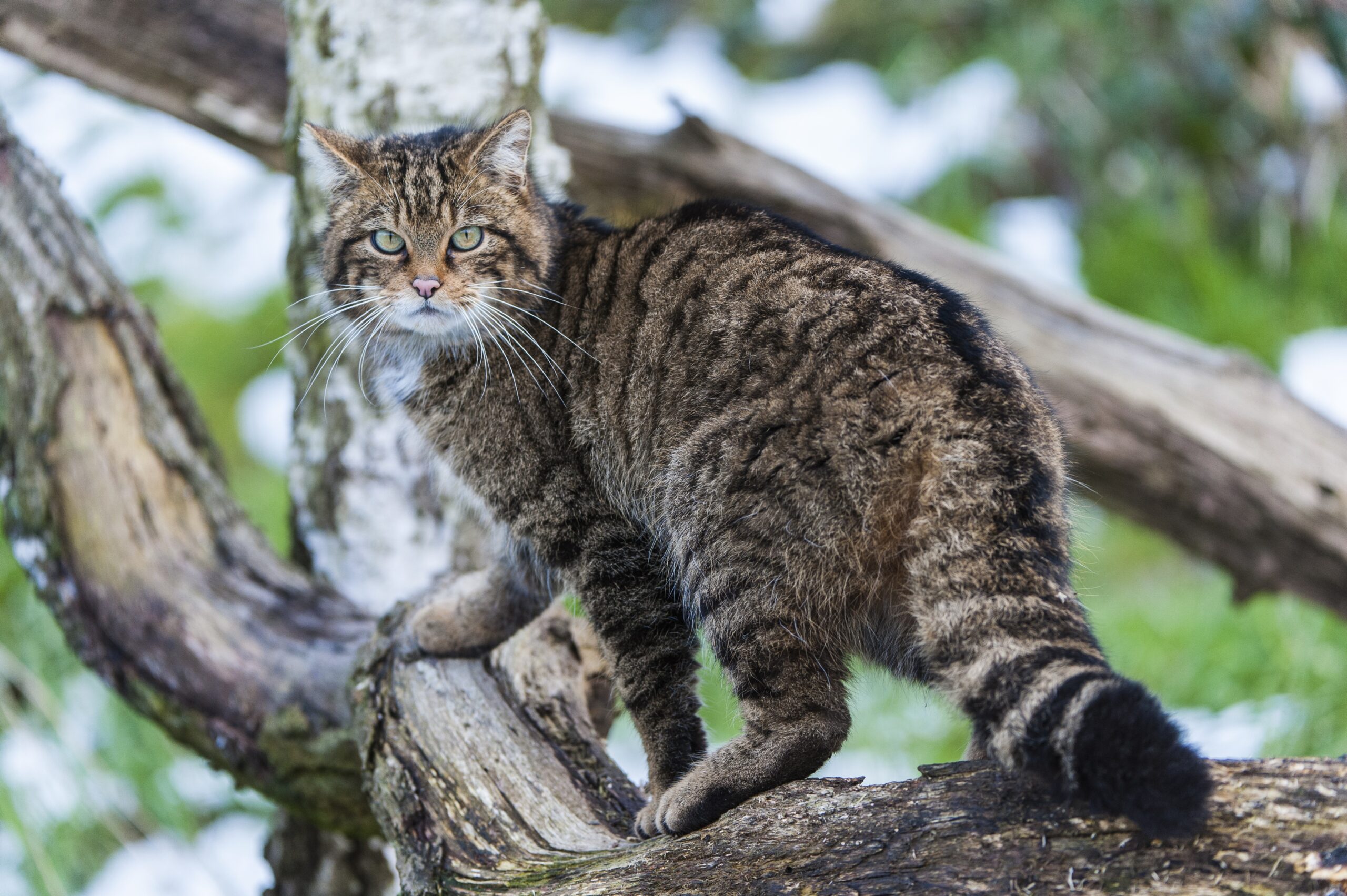
“Scotland has already shown it can bring nature back, through the return of the Eurasian beaver, white-tailed eagle and wildcat,” said Charlotte Maddix, Advocacy Coordinator for the Scottish Rewilding Alliance. She added:
“It’s time to build on what we’ve learned and improve the process for everyone. Leaving out a dedicated recovery fund from the Programme for Government stalls momentum. An Tilleadh would offer a framework to ensure our nature, communities and cultural heritage recover together.”
Notes to editors
- The Scottish Government sets out its legislative and policy priorities in the Programme for Government (PfG) every September. The latest Programme for Government did not contain targeted funding for a dedicated Scottish species recovery mechanism.
- An Tilleadh: Scottish Gaelic noun meaning “returning,” “coming back,” or “restoration.”
- In April 2026 the UK Government announced it would commit £90 million over three years to England’s Species Recovery Programme and public forest estate, supporting action across a wide range of species.
- England’s Species Recovery Programme allocates £30 million specifically to its 250,000-hectare public forest estate. Forestry and Land Scotland manages 470,000 hectares – nearly double the land area.