
Sara King, Rewilding Manager at Rewilding Britain, discusses the divergence between rural payments in Scotland and England – and asks if Scotland is falling behind.
Our environment is changing. With climate heating, more extreme droughts and floods, declining soil health and degraded ecosystems threatening food production, the way we manage land needs to adapt in response. Scottish farmers and crofters need reliable financial backing to produce nourishing food, in an increasingly unpredictable climate, in a way that benefits nature.
Food production and nature recovery are two sides of the same coin. We need a payment system that recognises how restored landscapes sustain productive farmland.
As each nation in Britain reshapes its rural support systems – how much public money is paid out to land managers, and for what – Scotland needs an ambitious rural payments scheme that will improve the resilience of its land.
I manage and coordinate the development of the Rewilding Network — the first of its kind in Britain. That network now includes over 256,000 hectares of land across 1,000 sites.
Our ability to produce sustainable food in this country depends on healthy, functioning ecosystems. That’s why rewilding is critical to support food production. But the rewilding movement is being held back by a lack of long-term funding, leaving nature-friendly and wilder land management practices unable to compete with subsidised approaches.
Our ability to produce sustainable food in this country depends on healthy, functioning ecosystems. That’s why rewilding is critical to support food production.
In England, the Environmental Land Management (ELM) Scheme was developed to address these issues. Unfortunately, Scotland’s Vision for Agriculture aims to replace old EU-era schemes with a four-tier system that looks set to sideline large-scale nature recovery.
What England got right: the Environmental Land Management scheme
The ELM scheme is based on three different levels:
- Sustainable Farming Incentive (SFI) pays farmers to adopt and maintain sustainable farming practices that can protect and enhance the natural environment alongside food production.
- Countryside Stewardship funds more targeted actions relating to specific habitats. Rewilding projects often use this scheme to access funding for more dynamic landscapes such as wood pasture.
- Landscape Recovery is a bespoke scheme for large scale projects, securing funding for 20 years of nature recovery.
The two-year development phase allows these schemes to be co-designed with public bodies to ensure that they provide the best value for money as well as the evidence needed to justify the payments being made. This phase gives land owners and managers the opportunity to develop a vision for their land, and secure the funding needed to support it. It also creates a partnership with Defra, rather than just a transactional relationship.
The pilot projects that have been developed from the first two rounds of the Environmental Land Management Scheme are truly transformational and will create resilient landscapes if they get to the implementation phase.
Woodland at Haweswater, a Rewilding Britain Rewilding Network member, located in the heart of the Lake District. Wild Haweswater is taking part a pilot project under the Environmental Land Management scheme. Find out more.
Supporting wilder landscapes
Both Countryside Stewardship and Landscape Recovery have led to more nature recovery projects and rewilding across England. We now have real examples of landscapes with a plan to create resilient ecosystems as well as certainty for the communities who live and work on the land.
Projects in both lowland and upland landscapes are accessing payments to create more wildlife-rich habitats – wood pasture and woodland creation, grassland management and nature-friendly farming practices are all supported through the schemes.
“Nature can do the heavy lifting, but through Landscape Recovery and a partnership approach we’ve created holistic plans which go even further, maximising the benefits for wildlife, people and planet.”
Read Nattergal’s reflections on the Landscape Recovery scheme.
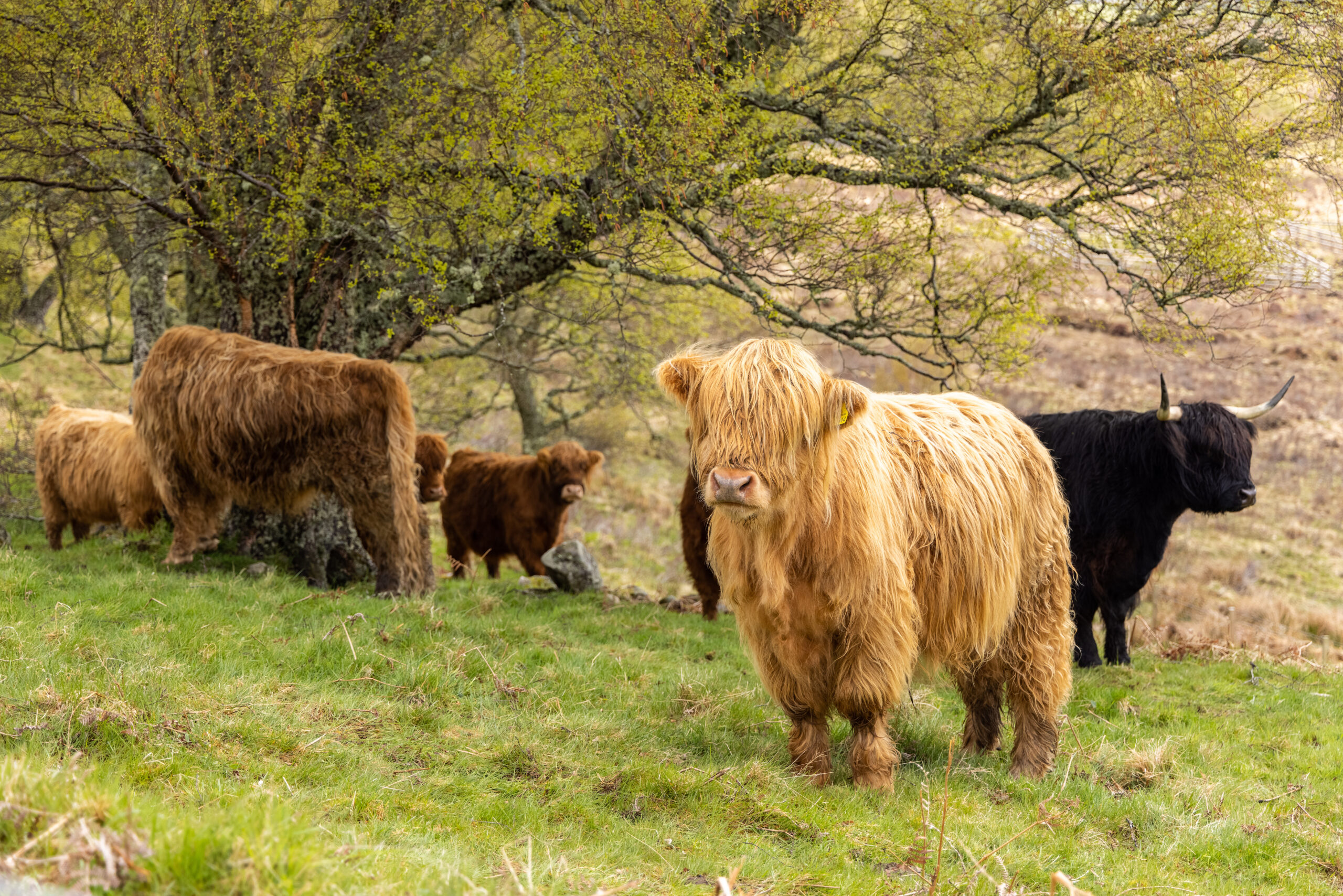
Countryside Stewardship also includes payments for access and education as well as the use of native breeds within the scheme. Allowing native breeds of cattle and ponies to graze extensively within woodland and wood pasture areas allows rewilding projects to access payments for returning herbivores to the land. These create mosaics of habitats, natural fire breaks within the landscape, and produce wild meat for consumption.
And if policy makers want to look further afield, other countries are creating bold new policies. Denmark’s Agreement for a Green Denmark, co-designed by the government, farming representatives and environmental groups, is an ambitious plan to keep farm businesses functioning while repairing degraded ecosystems.
The future of Scotland’s landscapes
ELM is far from perfect. Its rollout has seen delays, uncertainty and complexity that can frustrate businesses. But it has shown how payments for nature recovery and environmental improvements can both support farmers to make their food businesses more resilient, and lead to large-scale nature recovery.
Scotland has a rare opportunity to learn from this – to leapfrog outdated policies and design a dynamic payment scheme fit for the future. Here are the four key lessons that Scotland can take from the payments scheme south of the border:
- Genuine collaboration: A built-in two-year development phase fosters collaborative planning with public agencies rather than purely transactional oversight.
- Evidence-based value: Upfront development funding yields high-value projects and robust monitoring. This ensures maximum value for public money.
- Integrated resilient landscapes: By blending SFI food production with wider habitat recovery, land managers are creating diverse habitat mosaics and rural economic stability.
- Long-term security: 20-year funding through blended public and private investment provides a long-term vision for a landscape, giving the communities that live and work there more security, while encouraging better value for money and investment in resilient ecosystems.
The Landscape Recovery Scheme provides bespoke funding for large-scale projects, giving landowners and managers 20 to 30 years of financial certainty to invest in the land. The scheme proves that public funding can support food production and nature recovery at scale.
It’s time for Scotland to trade caution for ambition, and design a rural support system that truly meets everyone’s needs.