
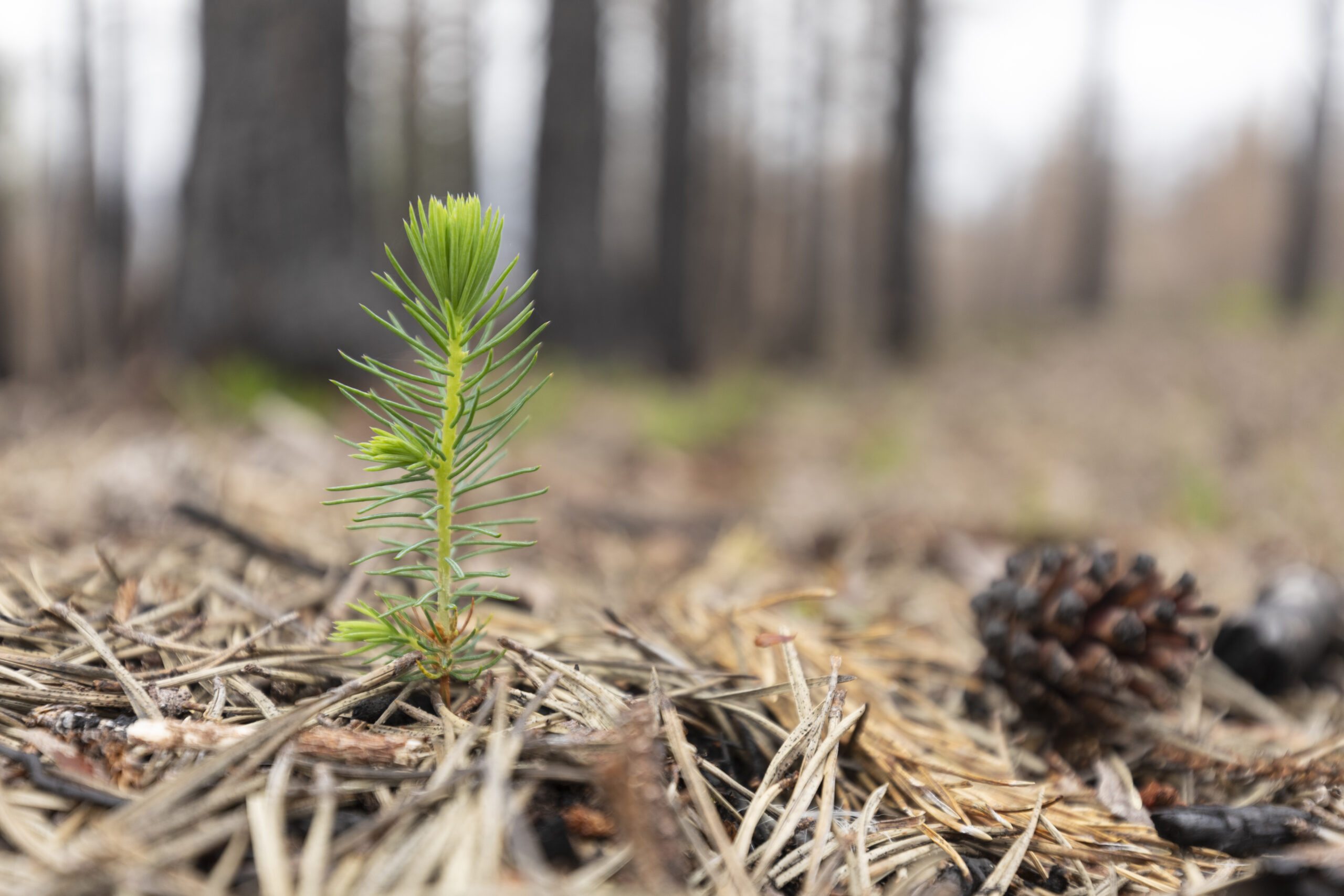
Whatever the landscape, it’s the plan that protects us
Communities across Scotland are facing a future of extreme weather as a result of climate breakdown. Fires blazing through much-loved landscapes, water scarcity and devastating floods are real threats to our homes and livelihoods.
With more floods, fire, and drought on our horizon, we need spaces for practical conversations about adapting how we live now to create a safer future.
By bringing together land managers, fire services, scientists, communities, and policy makers at a Scottish Landscape Resilience Summit, we can pool our cross-sector knowledge to combine conventional fire suppression with active nature restoration — slowing fire spread today while building a safer landscape for the future.
That’s why we are inviting land managers across sectors, conservation bodies, emergency services groups, local businesses, and community organisations to join us in calling for a national Landscape Resilience Summit.
A two-tier approach
Wildfire risk is complex. Neither nature restoration nor traditional land management offers a single, easy answer on its own. What we need is a practical, joined-up plan that uses every tool available and brings everyone along on the journey. By bringing everyone together at a Scottish Wildfire Resilience Summit, we can manage risk today while building lasting natural protection for the future. We need a two-tier approach to living with rising wildfire risk:
Strengthen the front line
We need a comprehensive review of national response capacity, addressing equipment upgrades, specialized training, and updated multi-agency response plans to ensure emergency crews and rural first responders are fully supported to fight increasingly complex wildfires.
Work with nature
We rely on healthy ecosystems just as we rely on food production. Simply eliminating vegetation to remove fire risk isn’t the long-term answer on its own. The solution lies in combining known methods with smarter landscape design and active restoration.
Rewilding and wildfire: what you need to know
Humans cause over 90% of wildfires in Scotland, and changing climate patterns bring drier springs, making our land more vulnerable to fire. People love visiting restored landscapes, so the answer is managing campfire bans, BBQs, and visitor awareness — not stopping plants from growing or people from visiting.
Preventing wildfires requires a joined-up approach: addressing human behavior and ignition risks alongside long-term landscape hydrology.
Restoring nature in the face of rising wildfires is a two-part story: managing young habitat growth is the essential bridge from a dry landscape today to a permanently fire-resistant landscape tomorrow. Creating spaces where flames can’t cross using prescribed burning is a tried and tested method for stopping wildfires in their tracks, but relying on burning alone can dry the land further and spark wildfires.
That’s why we want to see efforts to create fire-resistant landscapes include methods that build long-term resilience.
Building resilient landscapes
As climate change escalates, we can look to natural methods to build resilience into our landscapes too:
- Wet peat and soggy moss act as natural flame dampeners, preventing embers from turning into deep soil fires.
- Native broadleaf trees can form living firebreaks in a landscape. Their high leaf moisture and lack of flammable resins can slow fire intensity and spread.
- Beaver-created wetlands store millions of litres of water, keeping plants damp and reducing how severely vegetation burns.
- Mixed herds of large grazing animals at low densities chomp through combustible vegetation, forging natural firebreaks across the land.
All these methods can be part of a well-planned, resilient landscape.
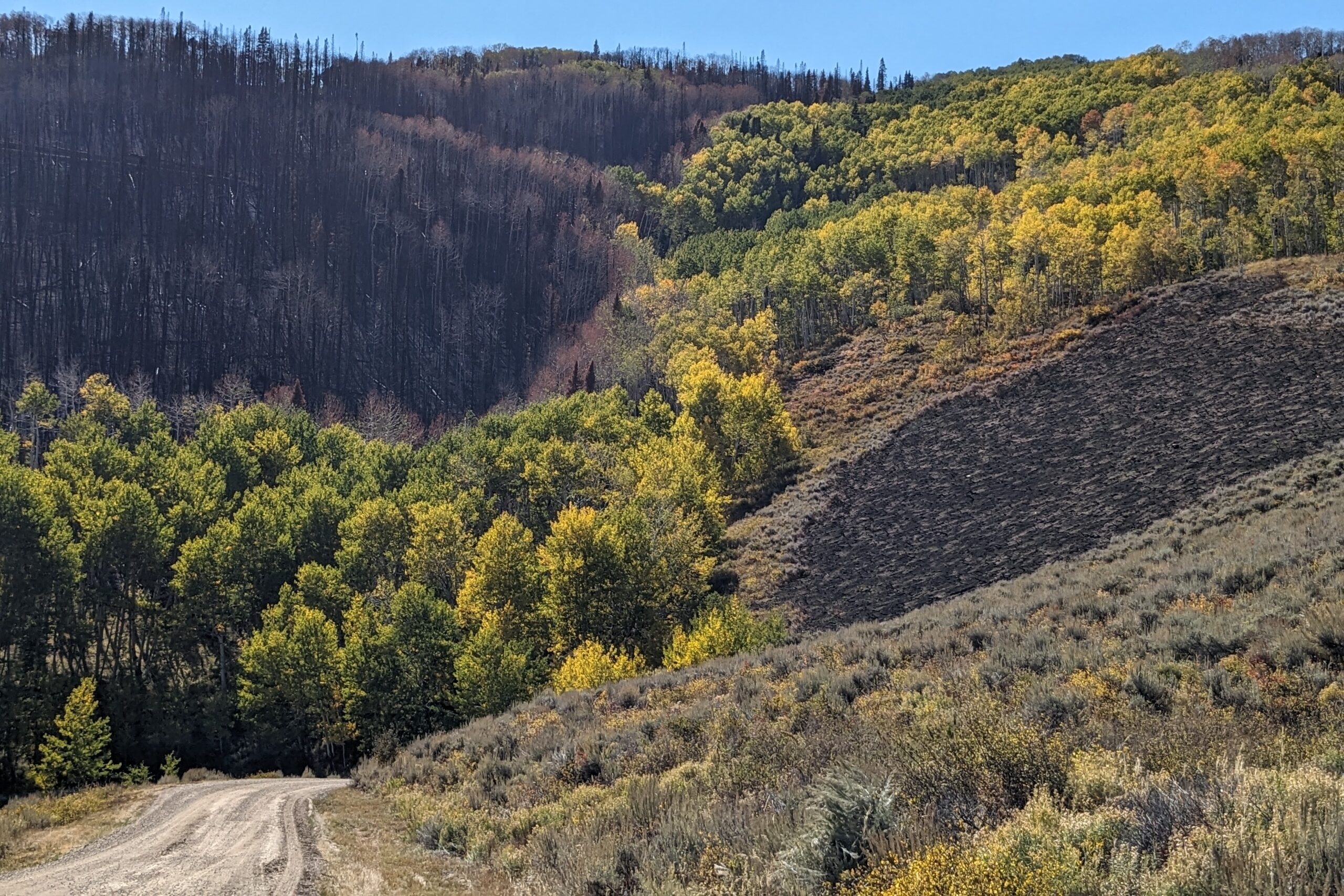
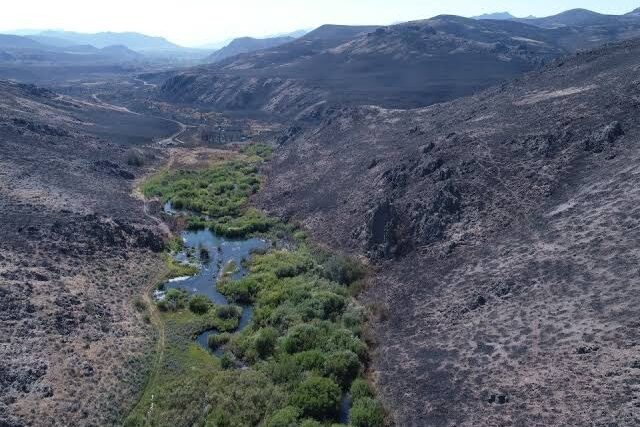
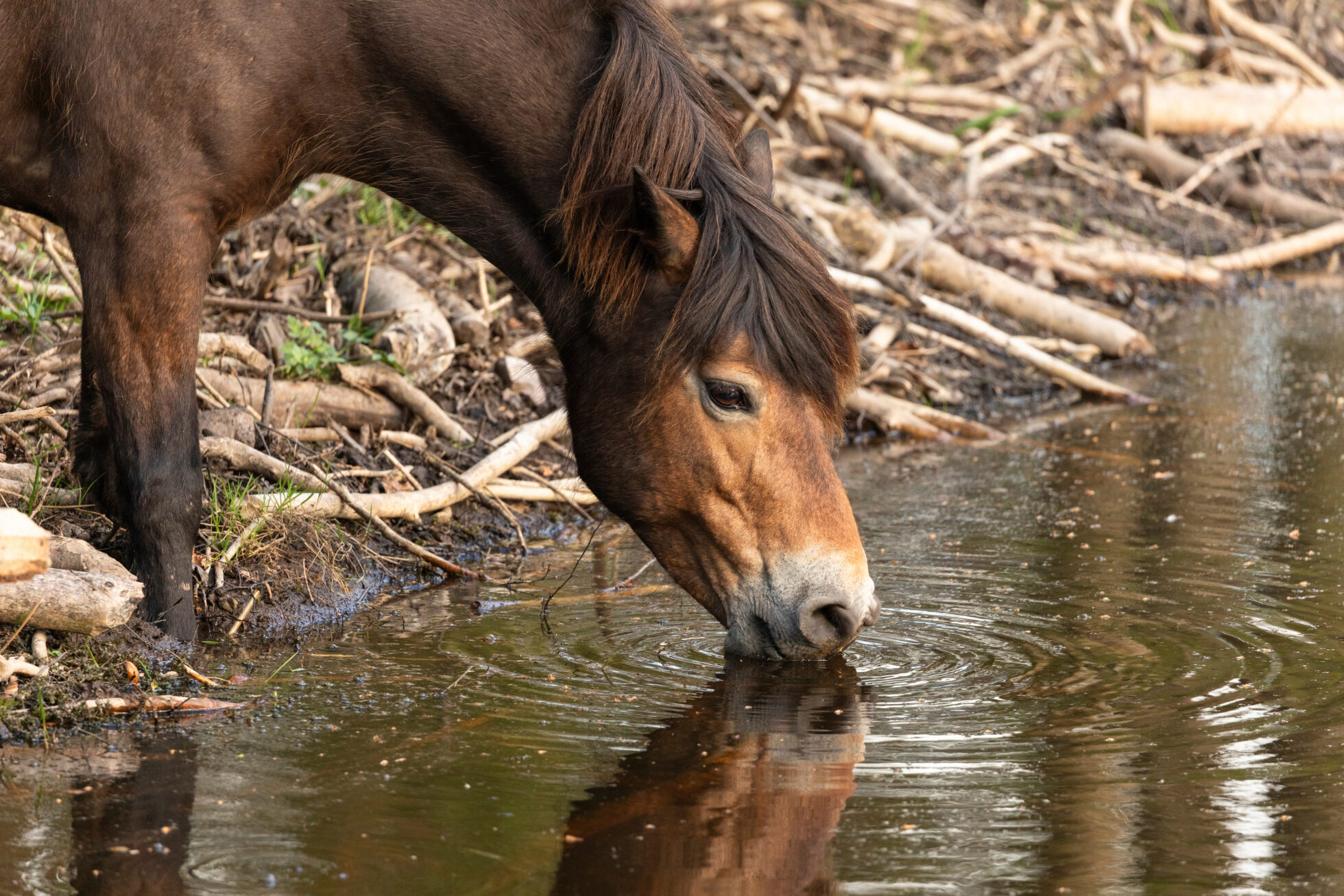
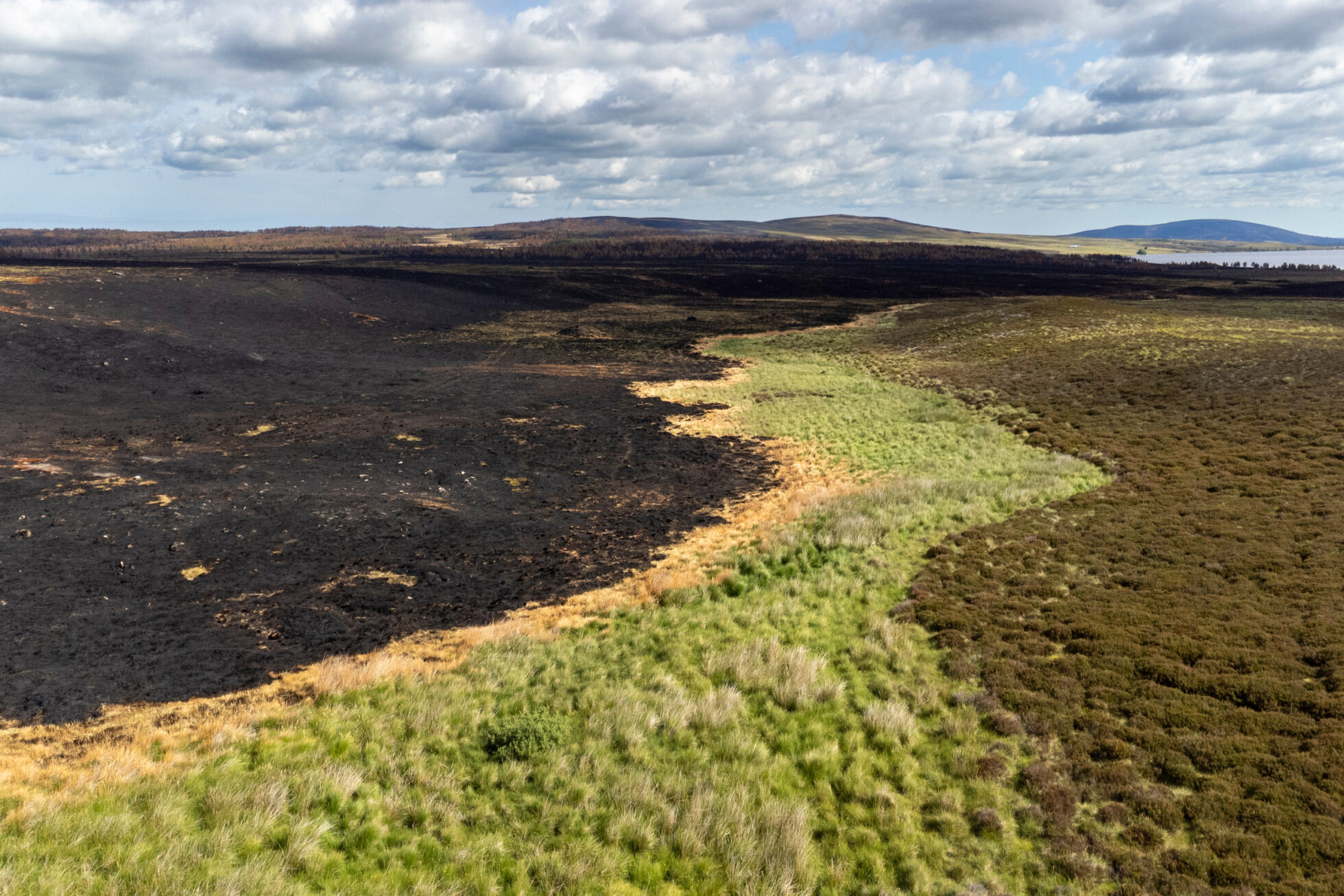
We need to combine ecological recovery with targeted wildfire prevention interventions, taking knowledge across sectors into account. Especially in the early years, regenerating landscapes need active care — like controlled grazing, restoring natural water flows, and creating managed firebreaks. This “fire-smart” approach ensures we guide nature through its vulnerable growth phase into a mature, hydrated landscape that naturally resists and slows wildfire in the years to come.
A Landscape Resilience Summit could create a space to share best practice around managing fire risk across sectors, leading to a long-term strategy to make Scotland’s landscapes more resilient.
Add your voice to the call for a Landscape Resilience Summit:
Adapting to climate breakdown means reacting to current situations while also making sure we’re protected in the future. We need land managers across sectors, emergency services, conservationists, communities and governments sitting around the same table to create a long-term, unified strategy for building resilience into our land.