Author: admin

  • Statement: We need clear, ambitious and updatable targets for nature restoration

    Statement: We need clear, ambitious and updatable targets for nature restoration

    The Scottish Government’s new Natural Environment Bill is a welcome effort to set Scotland on the course to nature recovery through statutory targets. But 2030 –  a critical year for the government’s nature ambitions –  is now just five years away. We need clear, ambitious and updatable targets. We need legislation that prioritises ecological restoration.

    Today the Scottish Government has published its Natural Environment Bill, which requires statutory targets for nature restoration, modernises the aims and powers of National Park Authorities and reforms legislation around deer management.

    In the 2023 consultation we welcomed the setting of clear, ambitious and updateable targets for nature restoration. The Natural Environment Bill now before Holyrood creates a framework for nature restoration targets, without the detail we need to know if it will lead to the recovery of Scotland’s land and seas.. 2030, a critical year for the government’s nature ambitions, is now just five years away. 

    We also urged the Scottish Government to listen to mounting scientific evidence and embed rewilding into their nature recovery targets. This would show the growing number of rewilders across Scotland that they have been accepted by the government as part of the solution to the dual nature and climate crises. The Natural Environment Bill requires ministers to seek scientific advice when setting targets – we hope this will include evidence on the potential of rewilding to contribute to Scotland’s climate and nature targets. 

    This is evidence we would be happy to provide to policy makers as the legislation progresses.

    We’re pleased to see updates to the aims of Scotland’s national parks, including the regeneration of biodiversity. Ensuring that other public bodies must implement National Park Plans is also welcome, enabling greater coordination in park areas. However, we’re disappointed to see that our national parks have not been given an overarching purpose to restore nature and lead on a just, green transition.

    NatureScot’s powers to enforce deer management have been strengthened – but last year’s proposal for Deer Management Nature Restoration Orders has been dropped. 

    Proposals to improve the Scottish Government’s ability to update environmental and habitat legislation have been included. This will ensure that key legislative frameworks which underpin environmental protection can be updated. The bill must ensure that this means stronger protections and close any loopholes.

    Yesterday, the First Minister urged bold action on tackling the climate emergency in a speech at the Glasgow Botanic Gardens. It’s imperative that bold actions are taken to tackle the equally critical, and connected, nature emergency. 

    But in the past few months, we’ve seen that this is a government that picks its battles on nature restoration. We’ve seen continued delays to measures that would help protect and restore our seas. We’ve seen the First Minister refuse to have a considered debate on lynx reintroduction. Recent announcements on Scotland’s agricultural budget – with most funding going into foundational payments, and less into enhanced environmental practices – also call into question Scotland’s ability to meet any nature targets it might set.

    The need for an urgent response to the nature and climate crises will and should force everyone’s hand. 

    Decades from now, people will remember those politicians who took bold steps to transform the fortunes of Scotland’s natural environment and people. 

    We need clear, ambitious and updatable targets and we need legislation that prioritises ecological restoration. 

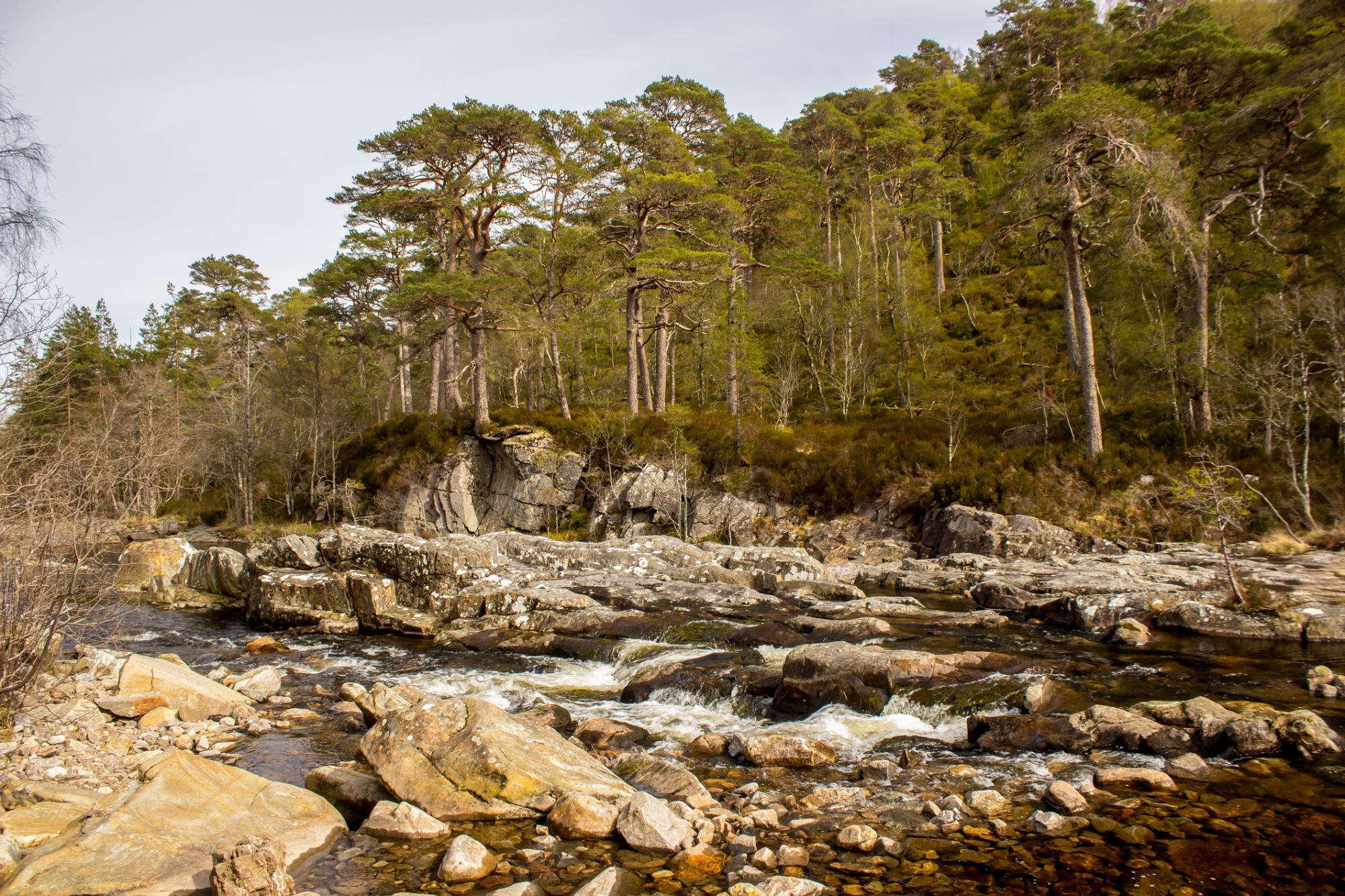
    Photo credit: Marieke Peche
  • First Minister’s refusal to consider lynx reintroduction ‘out of step’ with public opinion

    First Minister’s refusal to consider lynx reintroduction ‘out of step’ with public opinion

    An opinion poll conducted by Survation in January for the Lynx to Scotland Partnership shows that support for the return of lynx to Scotland has increased to 61%.

    This press release was originally posted on the websites of the Lynx to Scotland partners.

    The publication of a new opinion poll today indicates surging public support for the reintroduction of lynx to Scotland. 

    The poll coincides with an open letter that has been sent to the First Minister supported by 20 organisations questioning John Swinney’s judgement in dismissing the return of lynx out of hand.

    An opinion poll conducted by Survation in January for the Lynx to Scotland Partnership shows that support for the return of lynx to Scotland has increased to 61% – a rise of nine points since the last such survey in 2020, most likely due to growing public awareness of the species and its benefits. Just 13% of respondents were opposed – a drop of six points.

    Steve Micklewright, chief executive of Trees for Life, one of the charities involved, said: “This poll shows that growing numbers of Scots want to see lynx reintroduced and understand that the benefits of their return outweigh any problems they might cause. 

    “A carefully managed lynx reintroduction would make Scotland’s natural world richer and stronger, providing wider benefits for biodiversity, climate resilience and economic prosperity.”

    Lynx are a ‘keystone species’ which play a vital role in maintaining healthy living systems, and biodiversity is negatively affected by their absence. Research shows the Highlands has the habitat to sustainably support around 250 lynx. The species’ reintroduction would require Scottish Government approval, following habitat assessments and a full public consultation.

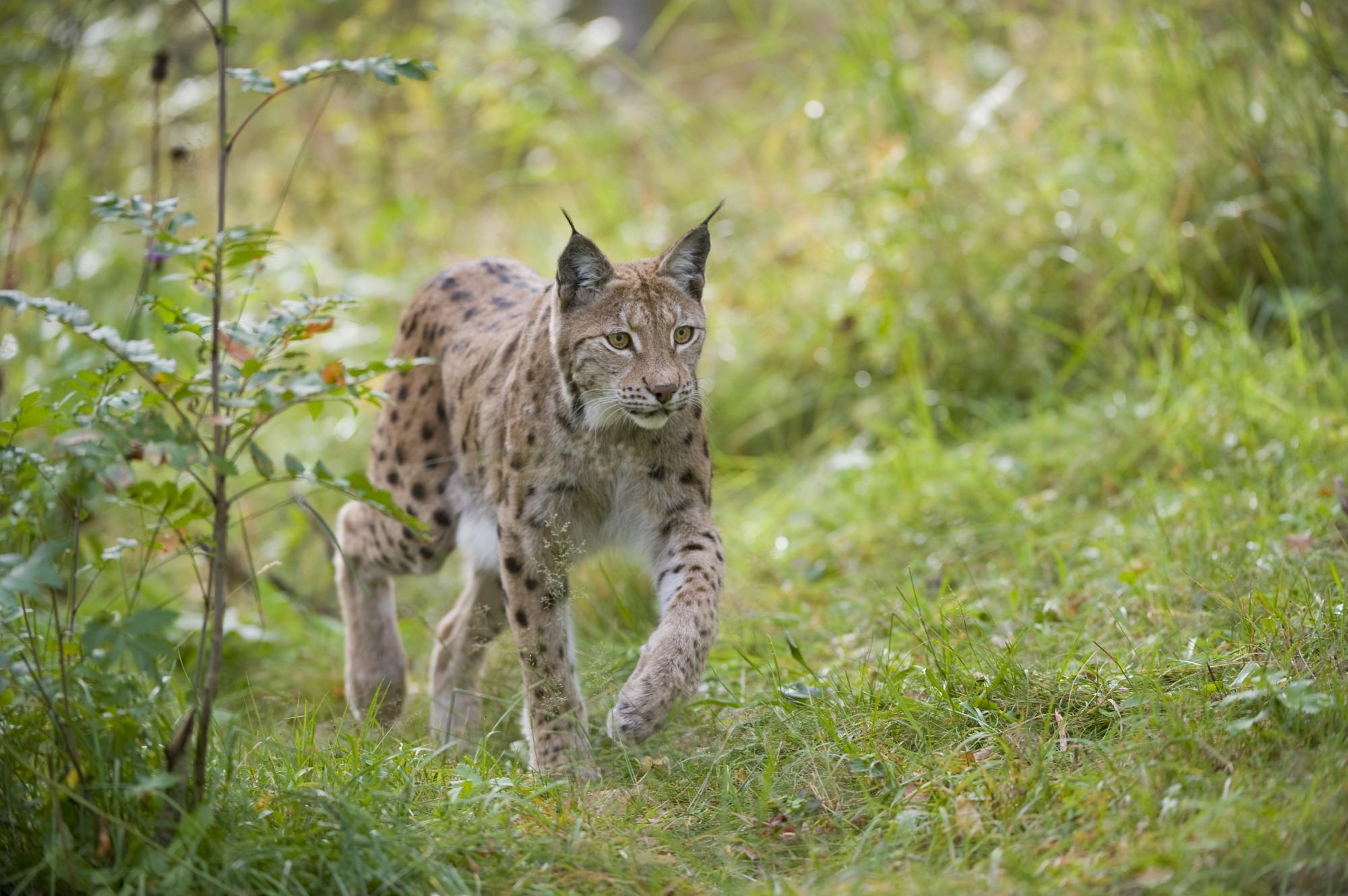
    The lynx is an elusive, forest-dwelling labrador-sized feline that mainly preys on deer and poses no threat to humans. Lynx were driven to extinction in Scotland due to hunting and habitat loss in the Middle Ages. They are recovering across Europe with the help of successful, well-planned reintroductions.

    The open letter to the First Minister calls into question his judgement in dismissing lynx reintroduction when speaking at the recent National Farmers Union Scotland Conference. At the conference, Mr Swinney said: “My government will not be reintroducing lynx, or indeed any other large carnivorous species, in Scotland.”

    The letter questions the First Minister’s commitment to tackling the nature emergency, and highlights the environmental, climate and economic benefits of reintroduced species.

    The signatories ask why Scotland cannot live with lynx when other countries coexist with much more challenging animals like lions and tigers. It also highlights the extensive and long-term work being done by the Lynx to Scotland Partnership to understand the concerns of stakeholders and how potential problems could be managed. 

    Peter Cairns, head of rewilding at SCOTLAND: The Big Picture, said: “Last month’s abandonment of lynx in the Cairngorms was reckless, and such acts are certainly not the way to achieve the return of a lost species to Scotland. But none of us can understand why this has led the First Minister to rush to turn his back on any proposal that could reintroduce this important species in a sensible and well-managed way.

    “Considering the surging support for the return of lynx, and the efforts being made to ensure that this would be done properly in line with best practice, the First Minister appears out of step with public opinion, and we urge him to reconsider his position.”

    The Lynx to Scotland partners are SCOTLAND: The Big Picture, Trees for Life and The Lifescape Project. For more information, see www.scotlandbigpicture.com/lynx-to-scotland.

    Notes to editors

    • 2025 Survation polling: Fieldwork dates 17-27 January 2025; population sampled – all residents aged 16+ living in Scotland; sample size 2,014. Respondents were asked: “Following the sighting and capture of four lynx in Cairngorms National Park in January 2025, there has been renewed attention on the species’ potential return to Scotland. The lynx, a medium-sized wild cat, contributes to healthy ecosystems, but was driven to extinction in Scotland due to human activity hundreds of years ago. To what extent do you support or oppose the legal reintroduction of lynx to Scotland?” Results including ‘don’t knows’: 61% support; 13% oppose; 20% neither support or oppose; 6% don’t know. Support for lynx reintroduction rose nine points since the last survey in 2020; opposition to a reintroduction has dropped by six points since 2020.
    • 2020 Survation polling: Fieldwork Dates – 28/10/2020-03/11/2020; population sampled – all residents aged 16+ living in Scotland; sample size 1,071.
    • John Swinney quote to NFUS Conference: www.gov.scot/publications/new-deal-for-agriculture-nfus-first-ministers-speech/

    Photo credit: SCOTLAND: The Big Picture

  • Statement: We must establish clear, legal routes for reintroducing species

    Statement: We must establish clear, legal routes for reintroducing species

    The Scottish Rewilding Alliance condemns the abandonment or illegal release of any animals into any part of Scotland. We call on all stakeholders, from government bodies to conservation groups, to collaborate in establishing clear, legal routes for reintroducing species.

    The Scottish Rewilding Alliance condemns the abandonment or illegal release of any animals into any part of Scotland. 

    Abandoning animals without care or consultation is not rewilding. It puts both nature and communities at risk, undermining rewilding efforts.

    Like others, we await the results of the police investigations and hope that those behind the abandonment or illegal release of lynx and boar are identified and dealt with.

    Lynx

    We welcome the capture of the lynx found in the Cairngorms National Park last month. Our thanks go to the team at RZSS and others, including police officers and gamekeepers, for acting swiftly to safely recover these animals.

    The Scottish Rewilding Alliance would like to see a responsibly managed and fully resourced legal reintroduction of lynx to Scotland in the future. Wild lynx are shy and elusive, pose no threat to people, and would help expand Scotland’s forests by preying on woodland deer. 

    The Lynx to Scotland project is working towards a carefully planned reintroduction of lynx that respects the views of farmers and other stakeholders, so Scotland can once again benefit from having lynx in its natural environment. 

    Boar

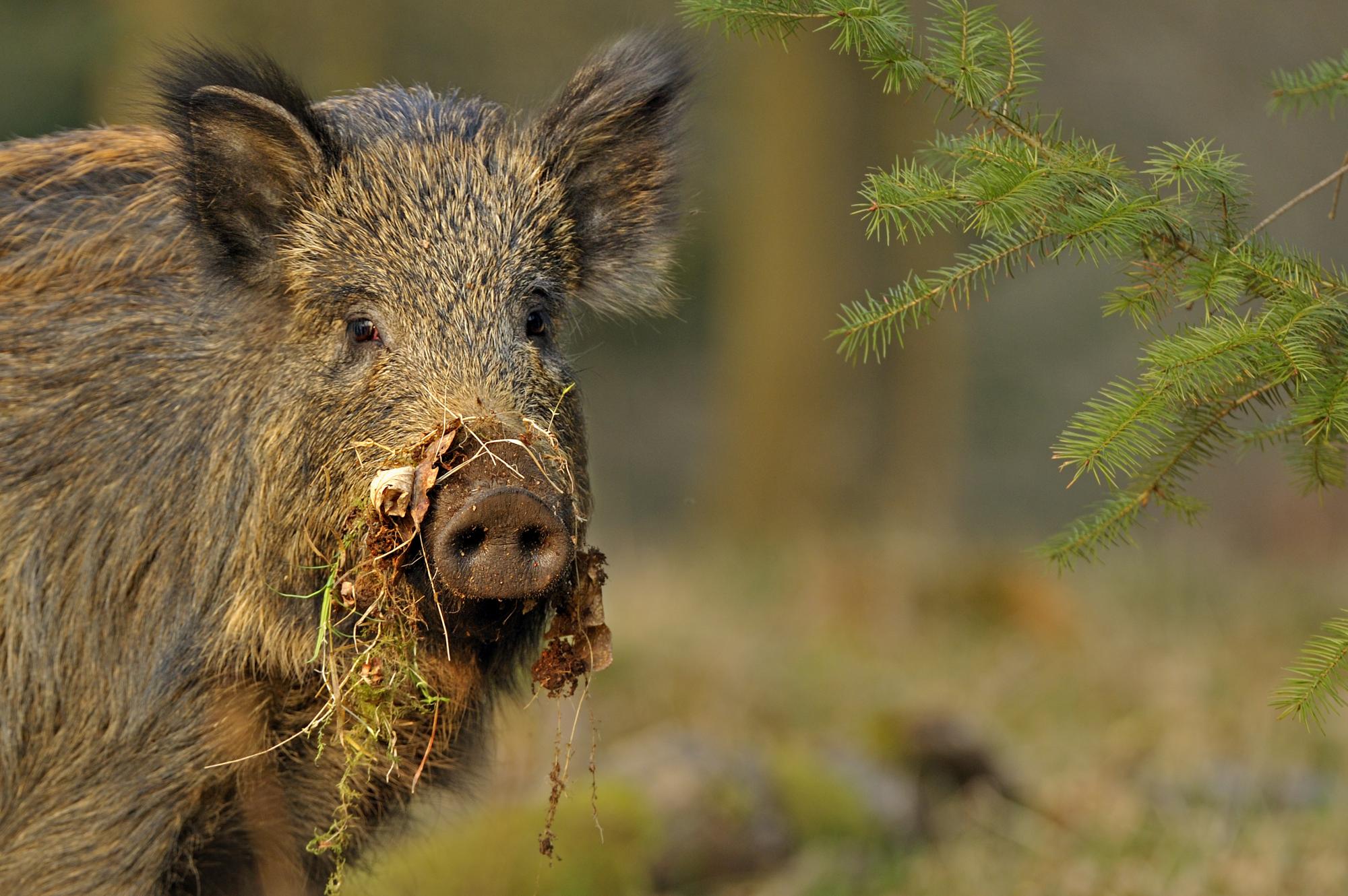
    Wild boar create diverse habitats, boost biodiversity and improve soil health. Its presence in Scotland’s landscapes can provide a multitude of benefits for people as well as nature. But we must learn to coexist with these wild animals again – and our government must show leadership here too.

    Scotland is already home to thousands of wild boar, with reports of free-roaming populations since the early 2000s. There are also over a thousand wild boar kept in captivity for food. The Scottish Government refers to all pigs living wild in Scotland as “feral pigs” because many are likely to be hybrids. 

    In contrast, the Scottish Government has shown fantastic leadership in championing efforts to reduce hybridisation of wildcats. Reinforcing the number of wildcats has helped this predator fulfil its ecological role. 

    Towards coexistence

    Looking to the future, we call on all stakeholders, from government bodies to conservation groups, to collaborate in establishing clear, legal routes for reintroducing species such as lynx and wild boar, so that we may be able to coexist with these missing species in a harmonious and productive way.

  • Wellerman (Sea Shanty) singer calls on Scottish government to commit to rewilding

    Wellerman (Sea Shanty) singer calls on Scottish government to commit to rewilding

    Nathan Evans announces his support to his 2.2m followers on TikTok and Instagram

    Scottish sea shanty singer Nathan Evans has today backed a campaign calling on the Scottish government to declare Scotland the world’s first rewilding nation and commit to rewilding 30% of the country’s land and seas.

    In a message to his combined 2.2m followers on Instagram and TikTok, the 28 year-old singer from Airdrie, Lanarkshire, said of Scotland:  “I love this place with all my heart and it will forever be home, and it influences so much of what I do.”

    The singer is urging his social media followers to sign the Scottish Rewilding Alliance’s Rewilding Nation Charter. “That way you can tell the folks in the Scottish government to listen up, get behind restoring our amazing country and commit to rewilding 30% of our land and sea,” he said.

    Today’s public backing comes two weeks after the Scottish Rewilding Alliance, a coalition of more than 20 organisations, presented its “vision of hope” to Scotland’s climate action minister Alasdair Allan at a reception in Edinburgh.

    Steve Micklewright, co-convenor of the Scottish Rewilding Alliance and chief executive of Trees for Life, said: “We are extremely grateful to Nathan for adding his name to the Scottish Rewilding Nation Charter. We hope this inspires thousands more people to add their name calling on the Scottish government to commit to restoring nature across 30% of our land and seas.

    “Rewilding can make an immediate and lasting impact on the nature and climate emergencies, and it can bring a wealth of benefits for people – including jobs, improved health, and clean air and water. We have a golden opportunity for Scotland to become the first country in the world to be declared a rewilding nation. Please sign the Scottish Rewilding Nation Charter today.”

    Rewilding 30% of Scotland can be achieved by restoring habitats including peatlands, native woodlands, wetlands, rivers and seas, while maintaining and benefitting productive farmland.

    Declaring Scotland a Rewilding Nation would lead to meaningful action with ministers committing to restoring the natural environment through legislation and funding to enable rewilding and empower local communities, the Scottish Rewilding Alliance says.

    The Alliance’s Rewilding Nation pathway, presented to the government on 3 December, includes proposals to make nature recovery the primary purpose of protected landscapes and seascapes, establishing wild zones around rivers and coastlines, doubling native woodland cover, restoring peatlands, and restricting dredging and bottom trawling across Marine Protected Areas.

    The proposals champion the crucial role of people and communities, and include action for coexisting with wildlife, support for land managers and farmers, and investment in nature-based economies, jobs and skills. Recovery targets would ensure habitat restoration, and increases in species abundance and diversity. 

    The Rewilding Nation campaign has drawn widespread support from people and organisations across Scotland. It also received public backing from Scottish actor Brian Cox last month, and from Leonardo DiCaprio in April this year.

    The Scottish Rewilding Alliance is calling on people from all walks of life to sign the Rewilding Nation Charter at rewild.scot/charter.

    ENDS

    Notes to editor

    Media contacts: 

    Richard Bunting; 07753 488146; richardbuntingpr@gmail.com 

    Ian Morton; 07811 183633; ian.morton@campaigncollective.org 

    Images: Download at https://bit.ly/RewildingNationimages  

    Please credit as per file name. One- time use only; images should not be used in relation to any other messaging, stored for future use, passed to a third party, or sold for commercial use.

  • ‘Vision of hope’ pathway to Rewilding Nation presented to Scottish Government

    ‘Vision of hope’ pathway to Rewilding Nation presented to Scottish Government

    A pioneering pathway for Scotland to become the world’s first Rewilding Nation, with nature recovery across 30% of its land and seas, has been presented to the Scottish Government by the Scottish Rewilding Alliance.

    A pioneering pathway for Scotland to become the world’s first Rewilding Nation, with nature recovery across 30% of its land and seas, has been presented to the Scottish Government by the Scottish Rewilding Alliance.

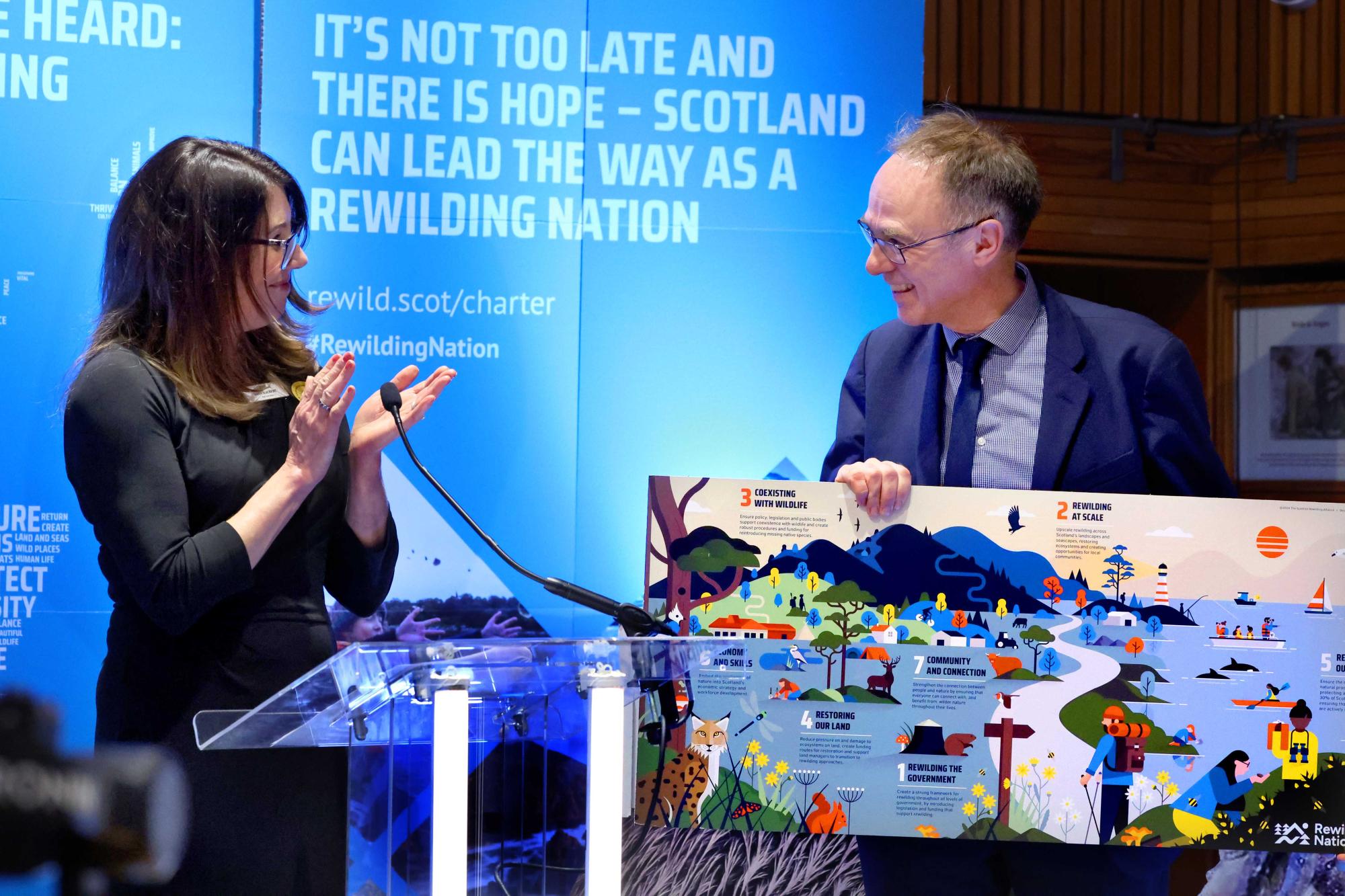
    The coalition of more than 20 organisations presented the pathway to Minister for Climate Action, Dr Alasdair Allan MSP, at a reception in Edinburgh on 3 December – setting out what it describes as a trailblazing ‘vision of hope’ for Scotland requiring leadership from Government in line with its international commitments. 

    Rewilding helps tackle the connected nature and climate emergencies, and creates benefits for people and local communities around health, jobs, sustainable food production, re-peopling, clean air and water, and healthy rivers and seas, says the Alliance.

    Rewilding 30% of Scotland can be achieved by restoring habitats including peatlands, native woodlands, wetlands, rivers and seas, while maintaining and benefitting productive farmland.

    “This is about choice and opportunity. Declaring Scotland the world’s first Rewilding Nation would be a powerful statement of intent that we want to be a world leader in nature restoration. Our pathway sets out a route offering the Scottish Government the opportunity to show global leadership,” said Karen Blackport, Scottish Rewilding Alliance Co-Convenor and CEO of Bright Green Nature.

    Declaring Scotland a Rewilding Nation would lead to meaningful action with ministers committing to restoring the country’s natural environment through groundbreaking legislation and funding to enable rewilding and empower local communities, the Alliance says.

    The Rewilding Nation pathway includes specific proposals to make nature recovery the primary purpose of Scotland’s protected landscapes and seascapes, establishing wild zones around rivers and coastlines, doubling native woodland cover, restoring peatlands at pace, and restricting dredging and bottom trawling across Marine Protected Areas.

    Recovery targets would ensure habitat restoration, as well as increases in species abundance and diversity. The government would champion expansion of beaver populations, and begin work on a managed lynx reintroduction, in close collaboration with key stakeholders and local communities.

    The proposals champion the crucial role of people and communities, and include action for coexisting with wildlife, support for land managers and farmers, and investment in nature-based economies, jobs and skills.

    At the presentation of the Rewilding Nation pathway, Minister for Climate Action Dr Alasdair Allan MSP said the event came at an important time for the Scottish Government, and that nature is under threat in an unprecedented way, with one in nine species facing extinction across the country.

    The minister acknowledged that Scotland has yet to yet to tackle biodiversity loss at a sufficient scale, and praised the work of Scottish Rewilding Alliance members including Argaty Red Kites, Bamff and Seawilding.

    “We are extremely grateful, all of us, for the transformative work being underway and for the partnerships that the Scottish Rewilding Alliance has helped to develop. Addressing the nature crisis requires a whole government and a whole society approach – working together to achieve a nature positive Scotland by 2030,” said Dr Allan.

    “We also need to support nature to help address the climate crisis and to create a climate resilient Scotland. We know we must protect and restore natural environment for future generations.” 

    The Scottish Rewilding Alliance calculates that more than 2% of Scotland’s land is now rewilding, with over 150 rewilding projects across the country, from community sites to landscape-scale partnerships. At sea, government inaction on ensuring Marine Protected Areas are truly protected is holding back the recovery of Scotland’s waters, says the Alliance.

    Calls for large-scale nature restoration are growing. This year thousands of people from all walks of life and a wide-range of diverse organisations have signed the Rewilding Nation Charter, calling on the Government to commit to urgent action. Polling has shown 80% of Scots think the Scottish Government should have policies in place to support rewilding.

    Steve Micklewight, Co-Convenor of the Scottish Rewilding Alliance and Chief Executive of Trees for Life, said: “As a country, we need to be far more ambitious. This is a chance for Scotland to be leading the movement for global change, reclaiming its voice on the international stage by embracing the Rewilding Nation’s vision of hope for people, nature and climate.”

    The Rewilding Nation campaign has drawn widespread support from people and organisations across Scotland. It has received high-profile public backing from actors Brian Cox and Leonardo DiCaprio.

    Scotland is currently ranked in the bottom 25% of countries globally for the state of its nature. Intensive agriculture and climate breakdown are having the biggest impacts on biodiversity, according to the authoritative and most recent State of Nature report, with other threats including non-native forestry, pollution, and introduced species.

    The Scottish Rewilding Alliance is calling on people to sign the Rewilding Nation Charter at rewild.scot/charter.

  • Statement: The government’s spending decisions underpin the fate of our land and seas

    Statement: The government’s spending decisions underpin the fate of our land and seas

    This week brings the Scottish Budget. Public spending is the bedrock of ecological restoration. So what do we hope for?

    Tomorrow, we will present our ‘pathway to a Rewilding Nation’ to the Scottish Government.

    This will be a route map for creating the world’s first Rewilding Nation – in more than just name. 

    Scotland is one of the world’s most nature-depleted countries. While it is also one of the world’s most beautiful countries, centuries of overexploitation of our natural resources, decades of misguided public spending, and a global collapse in biodiversity have all left their mark.

    This nature crisis has huge consequences. As actor Brian Cox CBE said this week in The Guardian, in a letter calling on people to sign the Rewilding Nation Charter: “This fails our hills, glens and rivers. It fails the animals we share our land and seas with. We’ve upset nature’s balance. That has a terrible impact on wildlife, but also on us. Scotland’s broken natural processes undermine our ability to cope with climate breakdown, affect food production, and threaten our health.”

    This week also brings the Scottish Budget, the final full budget of this parliamentary term. Public spending is the bedrock of ecological restoration. The government’s spending decisions underpin the fate of our land and seas. So what do we hope for, from this Budget?

    We hope for no more cuts to nature funding and the public bodies tasked with stewarding Scotland’s ecosystems, and for a funding system that supports the restoration of Scotland’s broken natural processes.

    We hope to see farmers, crofters and other land managers rewarded for playing their part in ecological restoration, and to see local authorities properly resourced to deliver on the establishment of ‘nature networks’. 

    Above all, we hope for urgent action to address the nature crisis. 

    All this year, the Rewilding Nation campaign has shown us that despite the damage to our natural environment, hope is surging all over Scotland.

    We’ve heard from grandparents who want to leave a more nature-rich country to their grandchildren, from walkers who want to ramble through wilder hills, and from young people who see the return of nature as the defining mission of their lives.

    We’ve heard from local communities who want more nature-based economic opportunities and jobs, from families who know more nature means better health and wellbeing, and from farmers and growers who know that agriculture depends on properly functioning natural processes and that restoring nature and growing sustainable food go-hand-in hand.

    These are voices that sometimes struggle to be heard. Will the First Minister listen?

  • Statement: Scotland can be a world leader when it comes to restoring and rewilding our natural environment

    Statement: Scotland can be a world leader when it comes to restoring and rewilding our natural environment

    We welcome the publication of the Scottish Biodiversity Delivery Plan 2024 – 30 – but rewilding remains the unseen root system supporting the government’s plans for nature.

    Scotland can be a world leader when it comes to restoring and rewilding our natural environment

    We welcome the publication of the Scottish Biodiversity Delivery Plan 2024 – 30. This is the result of a huge amount of hard work by the government and stakeholders, and the beginning of – we hope – a national effort to address the nature crisis. 

    We are heartened by the government’s recognition that ecosystems need to be ecologically connected. This is at the heart of rewilding: giving nature more space in a vast, interconnected network of flourishing habitats. We also welcome the acknowledgement that restoring nature will drive a sustainable economy and support thriving communities.

    Rewilding is the unseen root system supporting the government’s plans for nature.

    The Scottish Government’s own definition of rewilding recognises that the end goal is to achieve more resilient and autonomous ecosystems by working with local communities. A growing body of research tells us the many benefits of rewilding, including enhancing traditional conservation, helping us adapt to climate change – both now and in an uncertain future – and providing good green jobs. 

    However, the absence of rewilding from the Scottish Government’s Biodiversity Delivery Plan suggests that key decision makers have yet to grasp the true potential of rewilding, the extent of its popularity, or how it is blossoming and delivering real benefits for people and communities across Scotland.

    There are over 150 rewilding projects flourishing across Scotland. The rewilding movement is a growing groundswell of hope across the nation. Many of the actions identified in the Scottish Biodiversity Delivery Plan will enable more rewilding to take place. But the legal structures around rewilding, its funding and its place in the government’s nature strategy remain unclear. 

    This undermines action to meaningfully address the nature crisis. 

    As we have seen, 80% of people in Scotland want their government to take positive action to support rewilding and ensure we all have the opportunity to share in its benefits, including jobs, health, sustainable food, clean air and water, and thriving communities. This year, thousands of people from all walks of life have shared their hopes and dreams for a wilder Scotland with us by signing the Rewilding Nation Charter.

    Rewilders across Scotland stand ready to help create the Rewilding Nation. We believe that Scotland can be a world leader when it comes to restoring and rewilding our natural environment. 

    Next week, we will present our pathway to a Rewilding Nation to the Scottish Government and ask ministers to commit to restoring nature across 30% of Scotland’s land and seas.

  • Acclaimed Scottish actor and Succession star backs calls for Scotland to be first ‘Rewilding Nation’

    Acclaimed Scottish actor and Succession star backs calls for Scotland to be first ‘Rewilding Nation’

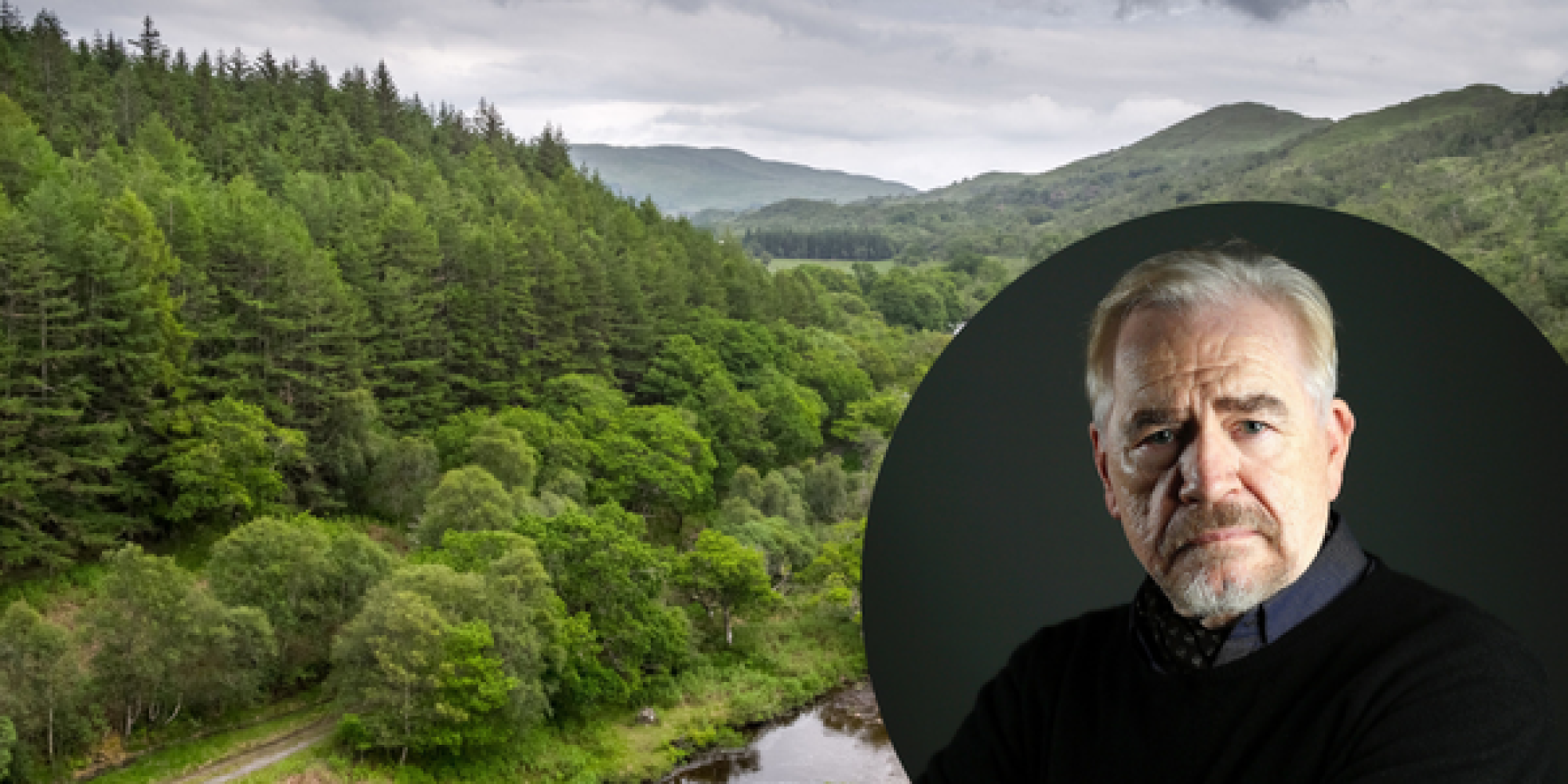
    Acclaimed Scottish actor Brian Cox CBE has backed calls for Scotland to be declared the first ‘Rewilding Nation’ in the world, with nature restored across 30% of its land and seas.

    Support comes days before Scottish Rewilding Alliance presents 30% nature recovery ‘vision of hope’ to Scottish Government

    Acclaimed Scottish actor Brian Cox CBE has backed calls for Scotland to be declared the first ‘Rewilding Nation’ in the world, with nature restored across 30% of its land and seas.

    The star of Succession and Shetland is calling on people to support the Scottish Rewilding Alliance’s Rewilding Nation Charter, which calls on the Scottish Government to commit to urgent action.

    Brian Cox’s call comes just days before the Alliance, a coalition of more than 20 organisations, presents its vision for a Rewilding Nation to the Government, at a reception in Edinburgh on Tuesday 3 December.

    In a letter published in The Guardian on 25 November, the Dundee-born actor, 78, laments Scotland’s nature loss, saying that “Scotland is a beautiful country – but all is not what it seems. Scotland is one of the planet’s most nature-depleted countries. Centuries of over-exploiting the country’s natural resources have left us with somewhere that looks beautiful but is dwindling day-by-day.”

    But Cox, considered one of the world’s finest stage actors, says there is hope, and points to the growing movement for nature recovery in Scotland.

    “Scots are modest, so shouting about our achievements doesn’t come naturally. But we should be proud of our rewilding progress. We now have more than 150 rewilding projects across the country. Hundreds of people working to put things right again. Thousands more who know that rewilding can transform Scotland’s future for the better,” he said.

    He continued: “My appeal to readers is to stand with your fellow Scots and support the Rewilding Nation Charter – urging the Scottish Government to declare Scotland the world’s first Rewilding Nation, together with urgent action to make it so.”

    Steve Micklewight, Co-Convenor of the Scottish Rewilding Alliance and Chief Executive of Trees for Life, said: “We are hugely grateful to Brian Cox for adding his voice to this vision of hope. Rewilding 30% of Scotland can be achieved by restoring habitats including peatlands, native woodlands, wetlands, rivers and seas, while maintaining and benefitting productive farmland.

    “This would help tackle the nature and climate emergencies, while creating a wealth of benefits for people including jobs, health, sustainable food, clean air and water, re-peopling, and thriving communities.”

    The Rewilding Nation campaign has drawn widespread support from people and organisations across Scotland. It also received public backing from Hollywood A-lister Leonardo DiCaprio in April this year.

    The Scottish Rewilding Alliance is calling on people from all walks of life to sign the Rewilding Nation Charter at rewild.scot/charter.

    ENDS

    Notes to editors

    Brian Cox’s letter in The Guardian published evening of Monday 25th November 2024

    Photo by James Shooter / scotlandbigpicture.com

  • Letter from Brian Cox CBE: support rewilding to save Scotland’s natural resources

    Letter from Brian Cox CBE: support rewilding to save Scotland’s natural resources

    Acclaimed Scottish actor Brian Cox CBE has backed calls for Scotland to be declared the first ‘Rewilding Nation’ in the world, with nature restored across 30% of its land and seas. Read his letter to the Guardian in full.

    Scotland is full of places I love: Dundee, where I grew up; Shetland, where we filmed the TV series of the same name; and Mull – my favourite island. It has world-class scenery and wonderful people. But we can’t get away from the facts. And the fact is that Scotland is one of the planet’s most nature-depleted countries. Centuries of overexploiting its natural resources have left us with somewhere that looks beautiful, but is dwindling day by day.

    This fails our hills, glens and rivers. It fails the animals we share our land and seas with. We’ve upset nature’s balance. That has a terrible impact on wildlife, but also on us. Scotland’s broken natural processes undermine our ability to cope with climate breakdown, affect food production and threaten our health.

    But there is hope. Scots are modest, so shouting about our achievements doesn’t come naturally. But we should be proud of our rewilding progress. We now have more than 150 rewilding projects across the country. Hundreds of people are working to put things right again.

    Thousands more know that rewilding can transform Scotland’s future for the better. Look to Mull, where the island’s inhabitants are reviving their flagging woodlands. My appeal to readers is to stand with your fellow Scots and support the Rewilding Nation Charter – urging the Scottish government to declare Scotland the world’s first rewilding nation, together with urgent action to make it so.

    Brian Cox

    Originally published in the Guardian on 25th November 2024

    Photo by James Shooter / scotlandbigpicture.com

  • Scottish school kids discover Europe’s wild side from their classrooms

    Scottish school kids discover Europe’s wild side from their classrooms

    A free resource pack for a rewilding lesson plan, for students 14+, is now available for download in English and Gaelic.

    Schoolchildren across Scotland are journeying across wilder Europe without leaving the classroom this year, using a lesson plan developed by the Scottish Rewilding Alliance. 

    The unique lesson plan is available in both English and Scottish Gaelic. The activities developed by the Scottish Rewilding Alliance encourage students to understand what is meant by rewilding, explore examples of large-scale nature restoration in mainland Europe and consider how we might take a similar approach here.

    The lesson plan includes the trailer for the documentary Why Not Scotland?. Released earlier this year, the film accompanies Flo, a young Scot from Glasgow, as she seeks out examples of nature recovery around Europe. Through the new lesson plan, students are invited to follow Flo on her journey and explore the impact of rewilding projects on wildlife and humans. 

    The lesson plan is part of the Alliance’s Rewilding Nation campaign, calling on the Scottish Government to declare Scotland the world’s first Rewilding Nation, with nature recovery taking place across 30% of the country.

    The Rewilding Nation campaign has already been backed by Hollywood star Leonardo DiCaprio.

    “This lesson plan is an amazing opportunity for teachers and students to engage with current discussions about rewilding in Scotland today, in both English and Gaelic,” said Karen Blackport, Scottish Rewilding Alliance Co-Convenor and Chief Executive of Bright Green Nature.

    “Scotland’s biodiversity loss has diminished our ability to tackle the climate and nature emergencies. Restoring our precious natural world offers hope for nature, climate and people, and equipping the next generation with the knowledge and skills to meet these challenges is essential.”

    Currently less than 3% of Scotland’s land and less than 1% of its seas are rewilding, according to analysis carried out by the Scottish Rewilding Alliance, a coalition of more than 20 organisations. 

    Rewilding 30% of Scotland can be achieved by restoring habitats including peatlands, native woodlands, wetlands, rivers and seas, while maintaining and benefitting productive farmland, it says.

    The Rewilding Nation Charter at www.rewild.scot/charter, calling on the Government to declare Scotland a rewilding nation, has already been signed by thousands of people.

    Charter signatory Roger from Largs, one of thousands who has signed the Rewilding Nation Charter, said: “We need to show our children and grandchildren the profusion of wildlife that should surround them as they grow up. Rewilding places like peat bogs and forests will also help to defeat the twin problem of climate change and nature loss.”