Category: News and blog

  • Statement: Protect the best, restore the rest: what next for large-scale nature recovery in Scotland?

    Statement: Protect the best, restore the rest: what next for large-scale nature recovery in Scotland?

    We are delighted that the Natural Environment (Scotland) Bill has been voted into law. This truly landmark legislation will create a much better legal framework for nature recovery than Scotland’s current system – a shared victory for people and nature. 

    Statutory nature restoration targets, reforms to deer management legislation, and improvements to our National Parks have been sorely needed for years.

    This Bill is the result of years of campaigning by people who care about Scotland’s nature. In the face of the terrifying decline of nature in recent decades and the despair that can cause, this moment is well worth celebrating.

    While this legislation is a major leap forward, the real work is done by people on the ground – and they still face barriers to nature recovery not addressed by this Bill. 

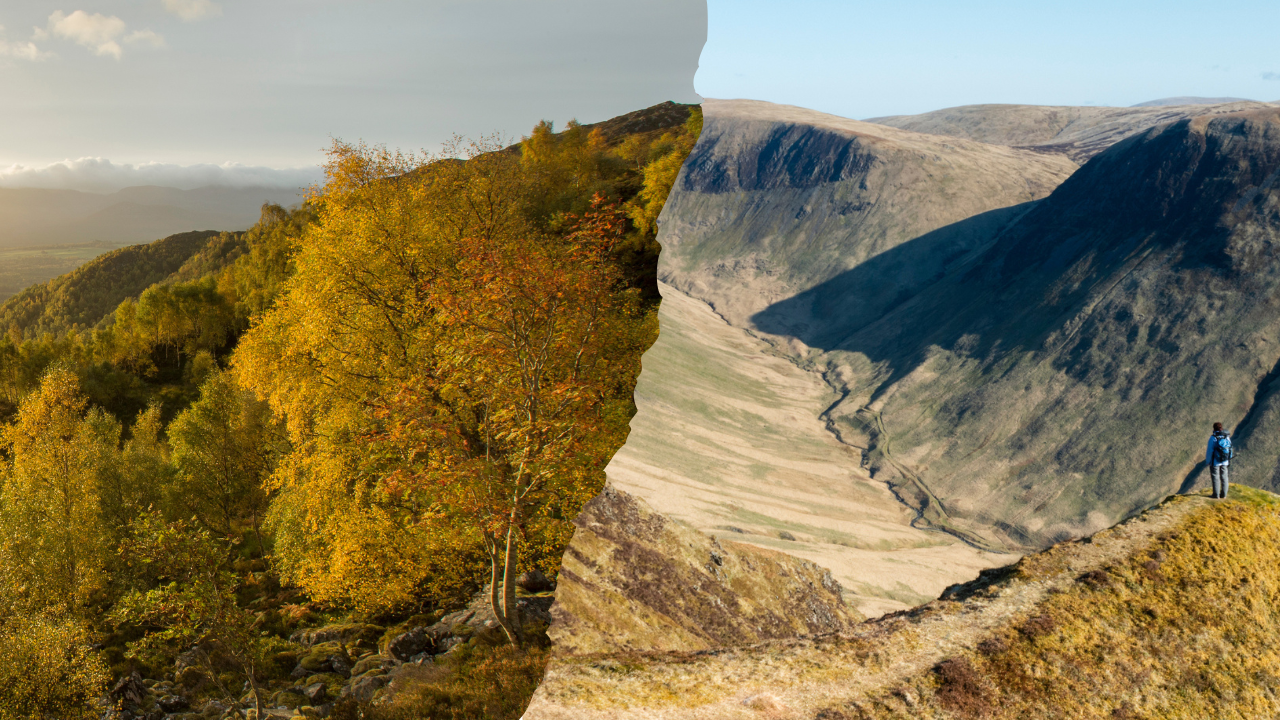
    Scotland’s decades-old system of nature conservation designations is no longer always the right tool for large-scale nature recovery. In a changing climate, a static approach can unintentionally prevent nature from healing itself – holding back nature recovery.

    On land, nature needs more than protection. In Scotland, one of the world’s most nature-depleted countries, it requires active intervention to restore habitats and enrich the diversity of species and ecosystems. 

    We need to empower the people on the ground who want to be the architects of nature’s recovery. 

    We are pleased the Scottish Government has listened to calls for a short life working group, with an independent membership, to look at how protected sites can deliver better for nature. We look forward to supporting that process and working alongside the people across Scotland who want to see nature come bursting back to life. 

    Alastair Seaman, Director at the Woodland Trust Scotland, said: 

    “Our sites across Scotland are havens for people and wildlife. Action to restore nature helps tackle climate breakdown and the nature crisis – it’s crucial that designations help, not hinder, nature’s return. We need a dynamic approach that empowers sites prioritising large-scale nature recovery to do what needs to be done.”

    Lisa Chilton, CEO of SCOTLAND: The Big Picture, said:

    “Across the 100 sites in our Northwoods Rewilding Network, land managers are finding that, in some cases, legal protections designed to conserve individual species and habitats are actually an obstacle to the recovery of self-sustaining natural ecosystems on land. This is especially true for habitats that were in poor ecological condition when they became protected sites. Often the land manager is required by law to maintain the site in this state rather than allowing the landscape to naturally recover and evolve. One example is Muie Croft, where the upland habitat is degraded and low in biodiversity, yet the owners are obliged to keep it that way due to the legal protections in place.”

    She added:

    “This isn’t about throwing the baby out with the bathwater. Protected sites have played a critical role in conserving isolated examples of our most threatened habitats and species. But we now need more flexible designations that also recognise the importance of restoring natural ecological processes.”  

    Steve Micklewright, CEO of Trees for Life, said:

    “Scotland’s network of protected sites has been a vital brake on biodiversity loss. But to really halt and then reverse biodiversity loss, it’s time to move from protecting fragments of nature to restoring entire landscapes. Modernising designations for those that need it most would give nature the freedom to restore itself.”
  • Opinion piece: Natural Environment Bill will prove a test of nerve for Scotland’s nature-shy politicians

    Opinion piece: Natural Environment Bill will prove a test of nerve for Scotland’s nature-shy politicians

    Tom Bowser asks if nature recovery legislation will be transformative – or another missed opportunity?

    I love Scotland, but sometimes my country saddens me. We are a nature-depleted nation within a nature-depleted island. Our seas are hard-fished, our land hard-farmed. The badger is our largest terrestrial predator; anything bigger we’ve killed off and resolutely refuse to bring back. If you care about the environment, there is much to be disheartened by.

    Shockingly, Scotland is ranked 212 out of 240 countries and territories for the state of its nature. Our beautiful landscapes and seascapes have been largely stripped of their richness of life through intensive management, over-exploitation, and neglect. Many of the country’s precious habitats are in a pitiful state. Our wildlife is in decline, with one in nine species facing extinction.

    But at this very moment, a new bill is progressing through the Scottish Parliament which could do much for our beleaguered ecosystems.

    The question facing our elected representatives is, do they have the political will to ensure that the Natural Environment (Scotland) Bill is transformative? Or will it prove another missed opportunity to do what we could, when we still could?

    The long-awaited bill was introduced back in February. Although only a framework – a set of intentions that whoever we vote into power in the 2026 Holyrood elections will have to flesh out – its aims appear ambitious.

    A legal framework for setting nature recovery targets … A chance to catch up with EU countries already outpacing us by embedding such targets into law … An opportunity to tackle Scotland’s soaring deer numbers … All of this is within our grasp.

    Next week, Holyrood’s Stage 2 Committee will debate proposed amendments to the framework document, and their decisions may determine the extent of its future impact.

    Many of the proposals bring ecologically informed approaches into the bill – asking us to measure progress not simply on how many trees we plant, but the strength and connectivity of our ecosystems.

    Showing the impatience that many feel with the Scottish Government’s constant, infuriating delays on protecting our seas, multiple amendments seek to tighten up requirements on marine planning and restoration.

    Further welcome suggestions aim to close loopholes in the recent Wildlife Management and Muirburn Act, in the hope of finally stamping out rural Scotland’s dirty, open secret: the routine killing of protected birds of prey that takes place every year on driven grouse moors.

    If these amendments make the final wording, the Natural Environment Bill will be significantly improved.

    But the question remains: will it prove a transformative act that delivers real change for nature or instead remain a grand set of unacted-upon intentions? The answer to that lies with Scotland’s politicians.

  • New hutting law to unlock public land to connect people and nature

    New hutting law to unlock public land to connect people and nature

    ‘A win for people-led rewilding’ as MSPs in the Scottish Parliament vote to create a new hutting law compelling the Scottish Government to publish a model lease for hutting on public land.

    Last night (4 November) MSPs in the Scottish Parliament voted to create a new hutting law compelling the Scottish Government to publish a model lease for hutting on public land.

    The change to the law will make it easier for people across Scotland to access public land for low-impact, sustainable hutting in future.

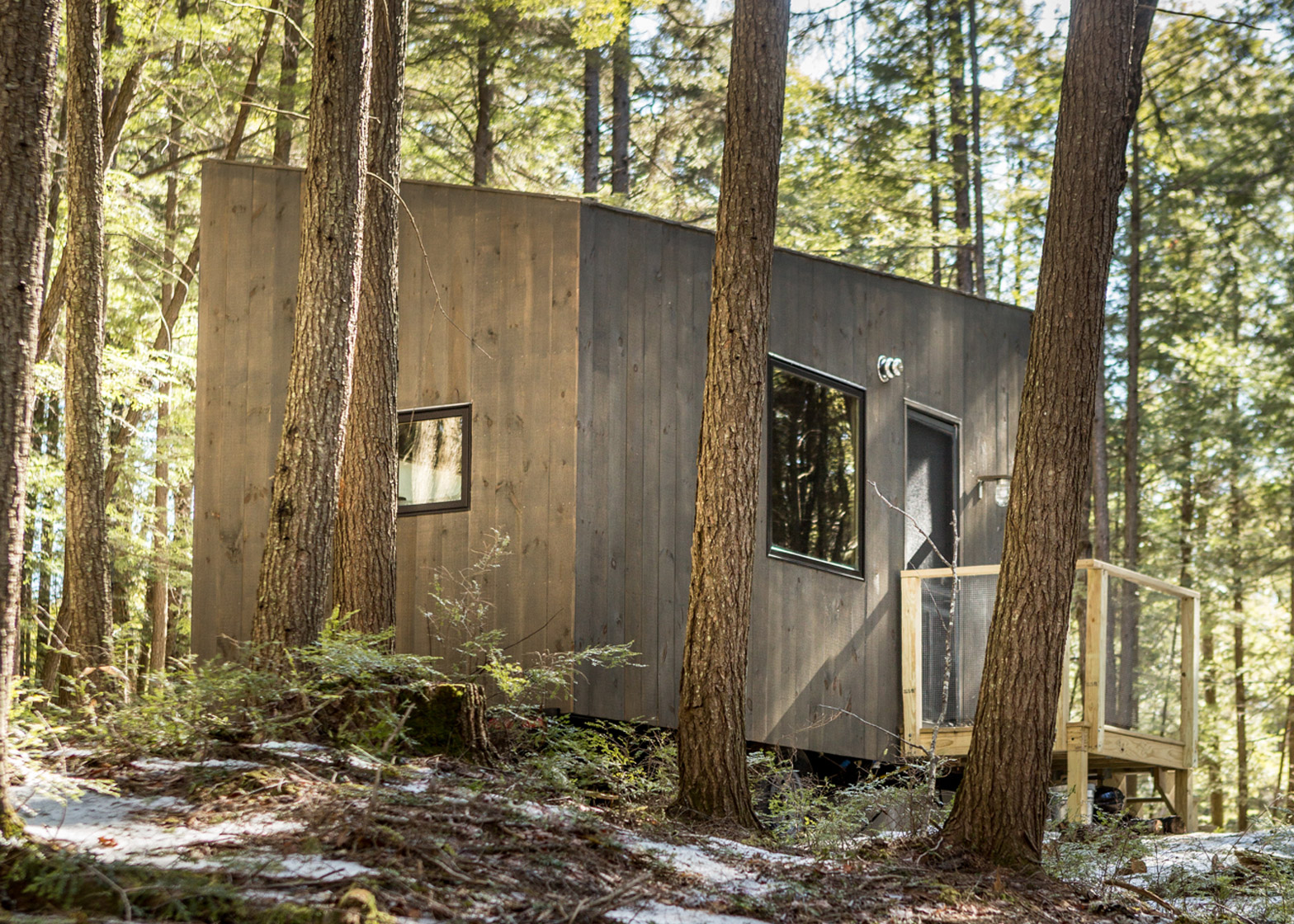
    Huts are simple homes where people can reconnect with nature and experience the land off-grid. Reforesting Scotland’s 1000 Huts Campaign says that a culture of recreational hut use would benefit people greatly, including by bringing people close to nature, cultivating practical skills in low-carbon living, fostering community, and offering benefits for health and wellbeing.

    With hutting depending on access to land for huts, campaigners from Reforesting Scotland and the Scottish Rewilding Alliance had called on the Scottish Government to publish a draft lease for hutters on public land.

    The successful campaign for a legal change was inspired by a pilot project at Carnock in southwest Fife, which has seen a pioneering lease enable a group of hutters to build 12 huts on the national forest estate. 

    Al Whitworth, Director of Reforesting Scotland, said:  “This is another success for our ongoing 1000 Huts Campaign, and we’re delighted that the Scottish Government has again recognised the benefits of making a model lease available for hutting on public land. We hope this will help unlock more sites where hutters can enjoy nature protected by a strong legal agreement.”

    Steve Micklewright, co-convenor of the Scottish Rewilding Alliance and chief executive of Trees for Life, said: “It’s great to see the Scottish Government supporting the need for a model lease for hutting in the new Land Reform Bill. As well as restoring nature in a big way, rewilding is about people and restoring our relationship with the land. Hutting offers a fantastic way for more people to share in, and care for, Scotland’s landscapes. This is a win for people-led rewilding.”

    The successful changes to the bill were proposed in Parliament by Ariane Burgess, Scottish Greens MSP for the Highlands and Islands.

    “Opening up more public land for hutting will in turn create all sorts of opportunities for people to get closer to nature and develop practical skills, and will foster community and co-operation. I’m really pleased to see the Scottish Government recognising the importance of hutting in the new Land Reform Bill by supporting my proposed amendment. This positive result should benefit people for years to come,” said Ariane Burgess.

    The hutting win represents a double success for the Scottish Rewilding Alliance’s recommendations on the Land Reform Bill. MSPs voted on 28 October to create a law obliging the owners of large landholdings over 1,000 hectares to publish plans on how they will increase biodiversity – which the Alliance says represents a ‘big step towards a Rewilding Nation’.

    While celebrating the two new laws, the Alliance says that with Scotland one of the world’s most nature-depleted countries, the Scottish Government needs to be more ambitious going forwards.

    Although the Scottish government is committed to protect at least 30% of land and sea for nature by 2030, just 2.5% of Scotland’s land is currently rewilding – with current rates of increase meaning it will take 65 years before major nature restoration is underway across 30% of the country.

    Rewilding is the large-scale restoration of nature to a state where it can look after itself, focusing on restoring natural processes and, where appropriate, reintroducing missing species. 

    The Scottish Rewilding Alliance is calling on the Scottish Government to declare Scotland the world’s first Rewilding Nation, bringing in bold legislation to support rewilding. Polling has shown this is supported by over 80% of the Scottish public. 

    The Alliance’s Pathway to a Rewilding Nation lays out a clear vision for a wilder, fairer future for Scotland. Political parties are being asked by rewilding campaigners across the country to put rewilding in their manifestos ahead of the 2026 elections.

    Ends

  • New law says large landowners need to set out biodiversity plans

    New law says large landowners need to set out biodiversity plans

    New law says large landowners need to set out biodiversity plans, in ‘big step towards a Rewilding Nation’

    Yesterday MSPs in the Scottish Parliament voted to create a law obliging the owners of large landholdings to publish plans on how they will increase biodiversity, as part of the new Land Reform Bill – in what the Scottish Rewilding Alliance says is a ‘big step towards a Rewilding Nation’.

    The Scottish Rewilding Alliance has campaigned for the change as part of its Rewilding Nation campaign, supported by thousands of people across Scotland.

    The new law will require landowners of landholdings over 1,000 hectares to set out how they are boosting biodiversity, as well as adapting to climate breakdown.

    They will also have to lay out how they are complying with the Scottish Outdoor Access Code, complying with the code of practice on deer management, and contributing towards net-zero emissions.

    While many responsible landowners will already be taking steps to restore nature and ensure ecosystem health, all large landowners will now have a legal duty to consult on and publish land management plans, once the Scottish Government has put the required regulations in place. 

    The Alliance says Scotland’s largest landholdings have a pivotal role to play in repairing Scotland’s biodiversity, mitigating against the effects of climate breakdown and enabling Scotland to adapt to a changing climate.

    Steve Micklewright, co-convenor of the Scottish Rewilding Alliance, and chief executive of Trees for Life which owns the 4,000-hectare Dudreggan estate near Loch Ness, said: “This new law represents a big step towards Scotland becoming the world’s first Rewilding Nation.

    “How land is managed is a key part of tackling climate breakdown and reversing biodiversity loss – and in Scotland, where land ownership is highly concentrated, large landholdings have a key role in repairing Scotland’s ecosystems. 

    “Ensuring that large estates set out their plans to restore nature is vital. Rewilding – large-scale restoration of ecosystems and natural processes – offers hope for tackling the nature and climate emergencies, and creates a cascade of benefits for people.”

    There are 1,810 landholdings in Scotland over 1,000 hectares. Some landholdings are already restoring nature at scale, but currently the lack of land management plans laying this out makes data collection difficult. 

    The successful change to the bill was proposed in Parliament by Ariane Burgess, Scottish Greens MSP for the Highlands and Islands. The change received cross-party support.

    While celebrating the success, the Scottish Rewilding Alliance says that with Scotland being one of the world’s most nature-depleted countries in the world, the Scottish Government needs to be more ambitious going forwards. This includes putting in place support and funding to enable large landowners to restore biodiversity and take upscaled action to ensure ecosystem health.

    Although the Scottish government is committed to protecting at least 30% of land and sea for nature by 2030, just 2.5% of Scotland’s land is currently rewilding – with current rates of increase meaning it will take 65 years before major nature restoration is underway across 30% of the country.

    Rewilding is the large-scale restoration of nature to a state where it can look after itself and people, focusing on restoring natural processes and, where appropriate, reintroducing missing species. 

    The Scottish Rewilding Alliance is calling on the Scottish Government to declare Scotland the world’s first Rewilding Nation, bringing in bold legislation to support rewilding. Polling has shown this is supported by over 80% of the Scottish public. 

    The Alliance’s Pathway to a Rewilding Nation lays out a clear vision for a wilder, fairer future for Scotland. Political parties are being asked by rewilding campaigners across the country to put rewilding in their manifestos ahead of the 2026 elections.

    The Rewilding Nation campaign has been backed by thousands of people from all walks of life across Scotland. It has received public backing from Scottish actors Brian Cox and Alan Cumming, Scottish musician Nathan Evans, Hollywood A-lister Leonardo DiCaprio, and activists Laura Young (Less Waste Laura) and Somhairle.

    Ends

    Notes to editors

    * 1,810 landholdings in Scotland over 1,000 hectares, comprising 56% of Scotland’s land area: https://www.gov.scot/publications/land-reform-scotland-bill-business-regulatory-impact-assessment-bria/pages/1/

    * 433 individuals own half of Scotland’s rural private land. Only 3% is in community ownership https://www.gov.scot/publications/land-reform-scotland-bill-fairer-scotland-duty-assessment-summary/

    Picture taken at Dundreggan Rewilding Centre, Scotland. James Shooter commission.

  • Stunt outside Holyrood calls on Scottish government to stop stalling and start rewilding

    Stunt outside Holyrood calls on Scottish government to stop stalling and start rewilding

    High-profile campaign takes message to parliament in first event of its kind and follows public backing by Alan Cumming last week.

    Campaigners calling for Scotland to become the world’s first ‘Rewilding Nation’ have today (1 October) taken their message to the country’s politicians, in a colourful stunt outside Holyrood.

    More than 100 people – representing thousands of individuals, charities, community groups and businesses from across Scotland – gathered outside the Scottish Parliament, with a visual display of ‘stop’ and ‘go’ signs exposing the barriers holding back rewilding and spotlighting the readily available solutions.

    It follows public backing last week by acclaimed Scottish theatre and movie actor Alan Cumming, who became the latest celebrity to back the campaign.

    The Rewilding Nation campaign led by the Scottish Rewilding Alliance is calling on the Scottish government to commit to rewilding 30% of the country’s land and seas. The Alliance’s ‘Pathway to a Rewilding Nation’ sets out practical steps the government can take to make this happen.

    The Holyrood event is the first time rewilding campaigners have taken their message directly to Scotland’s politicians in this way.

    Rewilding has been surging in recent years, with nearly 200 projects across Scotland led by communities, charities, farmers, landowners and others. But the Alliance says it’s now time for politicians to step up too – including by making significant commitments to large-scale nature restoration in the run-up to the Scottish elections next May.

    Scotland is one of the world’s most nature-depleted countries. Although the Scottish government is committed to protect at least 30% of land and sea for nature by 2030, just 2.5% of Scotland’s land is currently rewilding – with the rate of increase meaning it will take 65 years before major nature restoration is underway across 30% of the country.

    Rewilding is the large-scale restoration of nature to a state where it can look after itself, focusing on restoring natural processes and, where appropriate, reintroducing missing species.

    Karen Blackport, co-convenor of the Scottish Rewilding Alliance and chief executive of charity Bright Green Nature, said: “Rewilding is about hope for tackling the nature and climate emergencies, and brings with it a wealth of benefits, including jobs, clean air and water, and improved health. 

    “Polling shows 80% of Scots think the Scottish government should have policies in place to support rewilding – yet again and again, we are met by silence, foot-dragging or excuses when it comes to protecting and restoring nature in a major way.

    “Scotland has the choice and opportunity to lead the way in turning the nature crisis around. We want to see these issues debated and discussed openly by all political parties in the run-up to the Scottish elections next May.”

    Rewilding 30% of Scotland can be achieved by restoring habitats including peatlands, native woodlands, wetlands, rivers and seas, while maintaining and benefiting productive farmland, says the Alliance.

    The Rewilding Nation campaign has also received public backing from Scottish actor Brian Cox, Scottish musician Nathan Evans, Hollywood A-lister Leonardo DiCaprio, and activists Laura Young (Less Waste Laura) and Somhairle.

    For information on the Pathway to a Rewilding Nation, visit www.rewild.scot/pathway-to-a-rewilding-nation.

    ENDS

    Notes to editor

    Media contacts: 

    Ian Morton; 07811 183633; ian.morton@campaigncollective.org 

    Richard Bunting; 07753 488146; richardbuntingpr@gmail.com

    About the Rewilding Nation Charter:

    The Rewilding Nation Charter at www.rewild.scot/charter, calling on the Scottish Government to declare Scotland a Rewilding Nation, has been signed by thousands of people and organisations across Scotland. 

  • Alan Cumming calls on Scottish politicians to commit to rewilding

    Alan Cumming calls on Scottish politicians to commit to rewilding

    The Traitors, X-Men and Avengers star announces his support for Rewilding Nation campaign to his 750,000 followers on Instagram.

    The Traitors, X-Men and Avengers star Alan Cumming has backed a campaign calling on the Scottish government to declare Scotland the world’s first Rewilding Nation and commit to rewilding 30% of the country’s land and seas.

    The acclaimed Scottish theatre and movie actor – who has just wrapped filming his role as mutant X-Man Nightcrawler in next year’s Avengers: Doomsday movie, the latest instalment of the blockbuster Marvel franchise – has posted a call for action to his 750,000 Instagram followers.

    Speaking about why he is supporting the campaign, Alan said: “Scotland could have more forests, healthier seas, and lusher wildlife. Rewilding is how we can make that happen – bringing with it balance, hope, and fantastic opportunity – creating jobs, teaching new skills, and bringing people together to look after Scotland’s future.”

    The comments come as more than 100 people from across Scotland will gather outside the Scottish parliament on 1 October to draw attention to the barriers holding back rewilding.

    Rewilding 30% of Scotland can be achieved by restoring habitats including peatlands, native woodlands, wetlands, rivers and seas, while maintaining and benefiting productive farmland, says the Scottish Rewilding Alliance.

    Polling shows that 80% of Scots think the Scottish Government should have policies in place to support rewilding.

    Steve Micklewright, co-convenor of the Scottish Rewilding Alliance and chief executive of charity Trees for Life, said: “We’re thrilled that Alan has added his voice to the growing calls for Scotland to declare itself a Rewilding Nation. Rewilding offers hopes for tackling the nature and climate emergencies, and can bring a cascade of benefits for people – including jobs, improved health, and clean air and water.”

    Scotland is ranked one of the world’s most nature-depleted countries. Research shows that intensive agriculture and climate breakdown are having the biggest impacts on habitats and wildlife, with other threats including non-native forestry, pollution, and introduced species.

    The Scottish Rewilding Alliance says declaring Scotland a Rewilding Nation would lead to meaningful action with ministers committing to restoring the natural environment through legislation and funding to enable rewilding and empower local communities.

    The Alliance’s Rewilding Nation pathway includes proposals to make nature recovery the primary purpose of protected landscapes and seascapes, establishing wild zones around rivers and coastlines, doubling native woodland cover, restoring peatlands, and restricting dredging and bottom trawling across Marine Protected Areas.

    The proposals champion the crucial role of people and communities, and include action for coexisting with wildlife, support for land managers and farmers, and investment in nature-based economies, jobs and skills. Recovery targets would ensure habitat restoration, and increases in species abundance and diversity. 

    The Rewilding Nation Charter at www.rewild.scot/charter, calling on the Scottish Government to declare Scotland a rewilding nation, has been signed by thousands of people. The campaign has been backed by high-profile names including Hollywood star Leonardo DiCaprio, actor Brian Cox, singer Nathan Evans, and activist Laura Young (Less Waste Laura).

    For details about the event outside the Scottish parliament on 1 October, visit: https://bit.ly/GreenMeansGo2025

    ENDS

    Notes to editor

    Media contacts: 

    Richard Bunting; 07753 488146; richardbuntingpr@gmail.com

    Ian Morton; 07811 183633; ian.morton@campaigncollective.org 

    Images: Download at https://bit.ly/RewildingNationimages. Please credit as per file name. One- time use only; images should not be used in relation to any other messaging, stored for future use, passed to a third party, or sold for commercial use.

  • New guide empowers communities to lead nature recovery in Scotland

    New guide empowers communities to lead nature recovery in Scotland

    The Scottish Rewilding Alliance hopes to inspire local community groups to help Scotland become the world’s first ‘Rewilding Nation’, with the launch of a practical new guide.

    The Scottish Rewilding Alliance hopes to inspire local community groups to help Scotland become the world’s first ‘Rewilding Nation’, with the launch of a practical new guide.

    Available in both Gaelic and English, the guide to rewilding for community groups provides practical advice, case studies, and resources to help them start rewilding projects, and grow existing ones. The guide was developed in collaboration with community groups and features quotes and advice from the front lines of nature restoration.

    Rewilding is the large-scale restoration of ecosystems to a state where nature can manage itself, focusing on restoring natural processes and, where appropriate, reintroducing missing species.

    The guide was commissioned by the Scottish Rewilding Alliance, a collaborative initiative of charities, businesses and community groups working to promote rewilding in Scotland.

    Steve Micklewright, co-convenor of the Scottish Rewilding Alliance and chief executive of Trees for Life, said: “We hope the guide can inspire people to come together to help restore nature, tackle climate change, and create healthier ecosystems.

    “Creating the guide underlined what we already knew – that rewilding isn’t just about restoring nature, but about restoring communities too. Rewilding helps to create jobs, inspire education, and bring people together for the benefit of their local area.

    “More than anything, rewilding means hope – for a liveable future, for a wilder world, and for thriving communities.”

    The Alliance’s guide also outlines how groups can access funding, navigate land reform laws, and form effective partnerships with public bodies, scientists, and local residents.

    It highlights the success of existing community-led rewilding projects too, including Ury Riverside Park in Inverurie, Aberdeenshire, where the guide was launched by Gaelic influencer Lauren Rhiannon.

    Other local community rewilding projects featured in the guide include:

    • Seawilding in Loch Craignish
    • The Langholm Initiative – Tarras Valley Nature Reserve in Dumfries and Galloway
    • The Lochwinnoch Community Development Trust in Renfrewshire
    • Bright Green Future in the Scottish Borders
    • Midlothian Wildflowers

    The guide was written by ecologist and social forester Professor Anna Lawrence, building on words and experiences shared by community groups. The translation was provided by Hannah MacDiarmid. 

    To download the guide in Gaelic: www.rewild.scot/stiuireadh-ath-fhiadhachaidh-coimhearsnachd 

    To download the guide in English: www.rewild.scot/community-rewilding-guide 

    ENDS

    Media contacts:

    Ian Morton; 07811 183633; ian.morton@campaigncollective.org 

    Photo:

    Close-up of person’s hand collecting birch seeds for Arkaig Community Forest, Glen Mallie, Lochaber; Copyright Mark Hamblin/scotlandbigpicture.com

  • Bring back the Nature Restoration Fund in 2026

    Bring back the Nature Restoration Fund in 2026

    We welcome the Scottish Government’s interim evaluation of the Nature Restoration Fund, which highlights important progress but shows that current funding is insufficient to meet Scotland’s nature recovery goals. We urge all political parties to commit to restoring and significantly increasing the Fund in the next parliamentary session to secure lasting benefits for nature, climate, and communities.

    We welcome the Scottish Government’s publication of an interim evaluation report for the Nature Restoration Fund (NRF) and urge ministers and all political parties to commit to continuing the NRF in the next parliamentary session, with significantly increased funding.

    This review provides a valuable opportunity to reflect on one of Scotland’s key tools for reversing decades of biodiversity loss. As one of the most nature-depleted countries on Earth, it’s vital that nature recovery is adequately resourced in Scotland.

    As of Spring 2024, the report shows that over £35 million has been invested in Scotland’s nature through NRF spread across nearly 800 projects. Wetlands, seagrass, meadows, rivers and other important habitats have all benefited from the funding, while nature’s return delivers tangible benefits at local and national levels. 

    The report also highlights some of the groundbreaking projects that have benefited from this funding, including Seawilding, Rewilding Lettoch and Rewilding Kilminning. 

    For many rewilding initiatives – often locked out of other funding routes – this money has been critical. 

    However, the review also demonstrates that much more needs to be done. The funding delivered so far is simply not enough for a country with such a long path towards being nature positive. NRF has also been put at risk through financial pressure, with funds diverted to cover budget holes elsewhere. 

    Without expanded, sustained and secure public investment, there is a real risk that Scotland will fail to meet its nature recovery goals. This will put ecological resilience, climate ambition and public benefit into jeopardy. 

    We urge the Scottish Government and all political parties to commit to continuing NRF in the next parliamentary session, with significantly increased funding. 

    To turn ambition into reality, we are also calling for:

    • A larger annual NRF allocation from 2026 onward, ideally doubling the current funding level.
    • Guarantees that any diverted funds (e.g. to cover other public spending pressures) are fully replenished in subsequent years.
    • Clear links between all public funds, nature recovery commitments and forthcoming statutory restoration targets to ensure funds deliver progress at scale and at speed.

    We commend the Scottish Government for acting now to review the Fund’s performance – and urge ministers to listen closely to the independent evaluation. It’s time to show leadership on large-scale nature recovery: bring the Nature Restoration Fund back next session with greater ambition and investment. 

    Photo shows non-native removal at Tombane, a Northoods Rewilding Network partner. Copyright Tierney Lloyd/SCOTLAND: The Big Picture.

  • Response to reshuffle announcement – lack of nature minister slammed

    Response to reshuffle announcement – lack of nature minister slammed

    Our response to the reshuffle announcement by the Scottish Government.

    In response to today’s reshuffle announcement by the Scottish Government, Karen Blackport, co-convenor of the Scottish Rewilding Alliance and chief executive of Bright Green Nature, said:

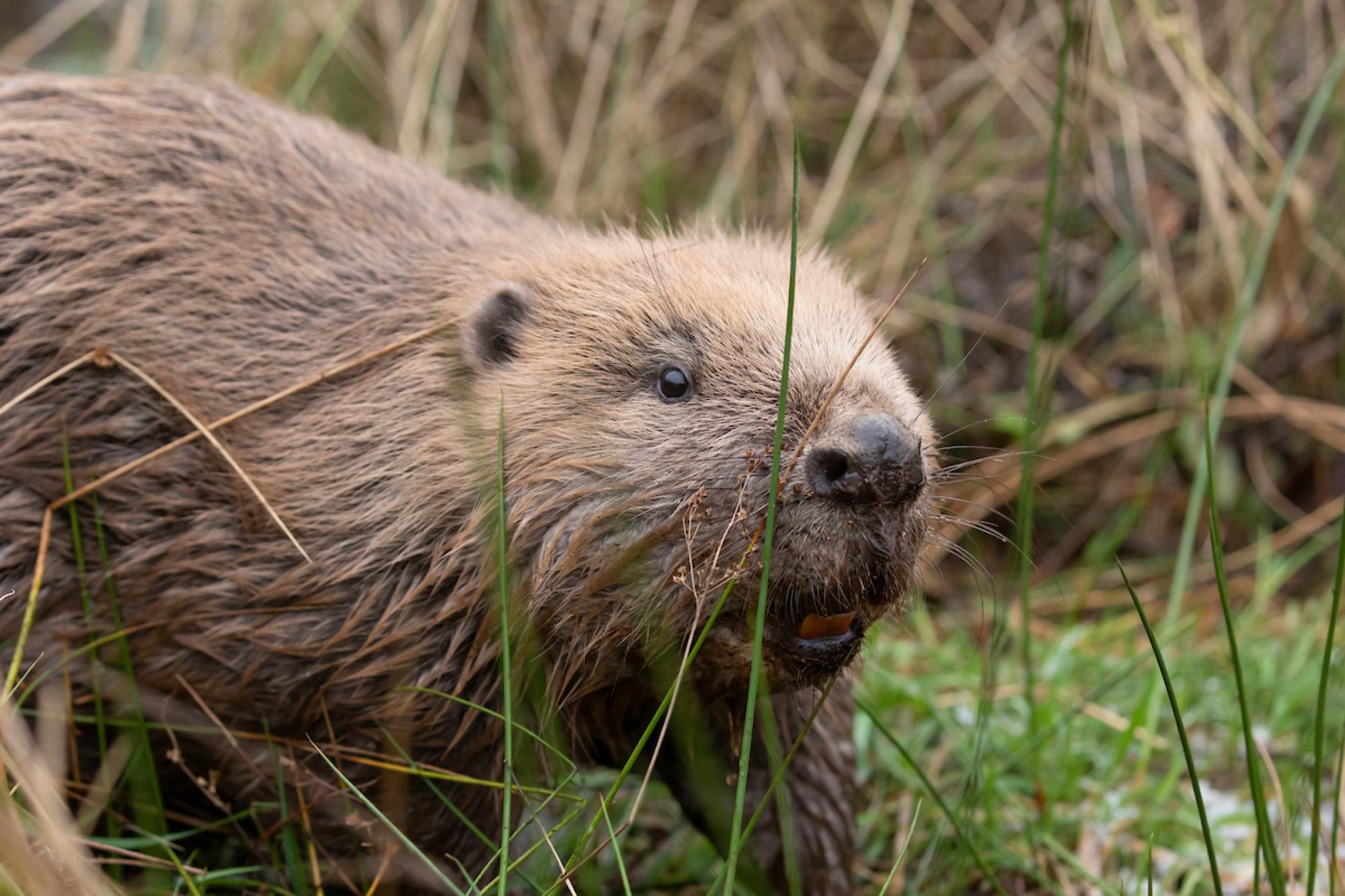
    “It’s shocking that, in the face of biodiversity and climate emergencies, the Scottish Government still has no nature minister. Sidelining nature is costing society dearly – we can see it on delays to marine protections, backtracking on beavers and abandoning a third national park.  

    “We call on the First Minister to stop dodging the fact that Scotland is one of the world’s most nature-depleted countries and give nature the political voice it urgently needs.

    “We thank Dr Alasdair Allan for the energy and interest he brought to the role and our conversations with him, and wish him well as he returns to the back benches.”

    Photo Credit: Ben Silcocks / Itago Media

  • Letter from the Scottish Government: beavers to Glen Affric

    Letter from the Scottish Government: beavers to Glen Affric

    A letter from the Scottish Government on the topic of beavers to Glen Affric.

    Dr Alasdair Allan MSP, Acting Minister for Climate Action, has asked the Scottish Rewilding Alliance to publish this letter on its website to update our members and supporters.

    This follows a public outcry about the decision by Scotland’s nature agency, NatureScot, to delay the granting of a licence to translocate beavers to Loch Beinn a’ Mheadhoin in Glen Affric. We at the Scottish Rewilding Alliance thank all those who wrote to the Scottish Government to express their concern about this decision and the process through which it was reached. 

    Your voice is being heard.

    In this letter, the minister reaffirms the Scottish Government’s commitment to the targeted reintroduction of beaver populations in Scotland. We believe that a robust licensing process is necessary in order to ensure that species reintroduction projects are appropriately designed and run, engaging local communities and others in the process.

    We do not agree that a single, conventional translocation project should require ministerial intervention and unnecessary delays that deter others from undertaking their own conservation translocations. 

    We look forward to meeting with the Scottish Government later this month to discuss this situation.

    Read the letter here.

    Photo by Mark Hamblin / scotlandbigpicture.com