Category: News and blog

  • Statement: Scotland can be a world leader when it comes to restoring and rewilding our natural environment

    Statement: Scotland can be a world leader when it comes to restoring and rewilding our natural environment

    We welcome the publication of the Scottish Biodiversity Delivery Plan 2024 – 30 – but rewilding remains the unseen root system supporting the government’s plans for nature.

    Scotland can be a world leader when it comes to restoring and rewilding our natural environment

    We welcome the publication of the Scottish Biodiversity Delivery Plan 2024 – 30. This is the result of a huge amount of hard work by the government and stakeholders, and the beginning of – we hope – a national effort to address the nature crisis. 

    We are heartened by the government’s recognition that ecosystems need to be ecologically connected. This is at the heart of rewilding: giving nature more space in a vast, interconnected network of flourishing habitats. We also welcome the acknowledgement that restoring nature will drive a sustainable economy and support thriving communities.

    Rewilding is the unseen root system supporting the government’s plans for nature.

    The Scottish Government’s own definition of rewilding recognises that the end goal is to achieve more resilient and autonomous ecosystems by working with local communities. A growing body of research tells us the many benefits of rewilding, including enhancing traditional conservation, helping us adapt to climate change – both now and in an uncertain future – and providing good green jobs. 

    However, the absence of rewilding from the Scottish Government’s Biodiversity Delivery Plan suggests that key decision makers have yet to grasp the true potential of rewilding, the extent of its popularity, or how it is blossoming and delivering real benefits for people and communities across Scotland.

    There are over 150 rewilding projects flourishing across Scotland. The rewilding movement is a growing groundswell of hope across the nation. Many of the actions identified in the Scottish Biodiversity Delivery Plan will enable more rewilding to take place. But the legal structures around rewilding, its funding and its place in the government’s nature strategy remain unclear. 

    This undermines action to meaningfully address the nature crisis. 

    As we have seen, 80% of people in Scotland want their government to take positive action to support rewilding and ensure we all have the opportunity to share in its benefits, including jobs, health, sustainable food, clean air and water, and thriving communities. This year, thousands of people from all walks of life have shared their hopes and dreams for a wilder Scotland with us by signing the Rewilding Nation Charter.

    Rewilders across Scotland stand ready to help create the Rewilding Nation. We believe that Scotland can be a world leader when it comes to restoring and rewilding our natural environment. 

    Next week, we will present our pathway to a Rewilding Nation to the Scottish Government and ask ministers to commit to restoring nature across 30% of Scotland’s land and seas.

  • Acclaimed Scottish actor and Succession star backs calls for Scotland to be first ‘Rewilding Nation’

    Acclaimed Scottish actor and Succession star backs calls for Scotland to be first ‘Rewilding Nation’

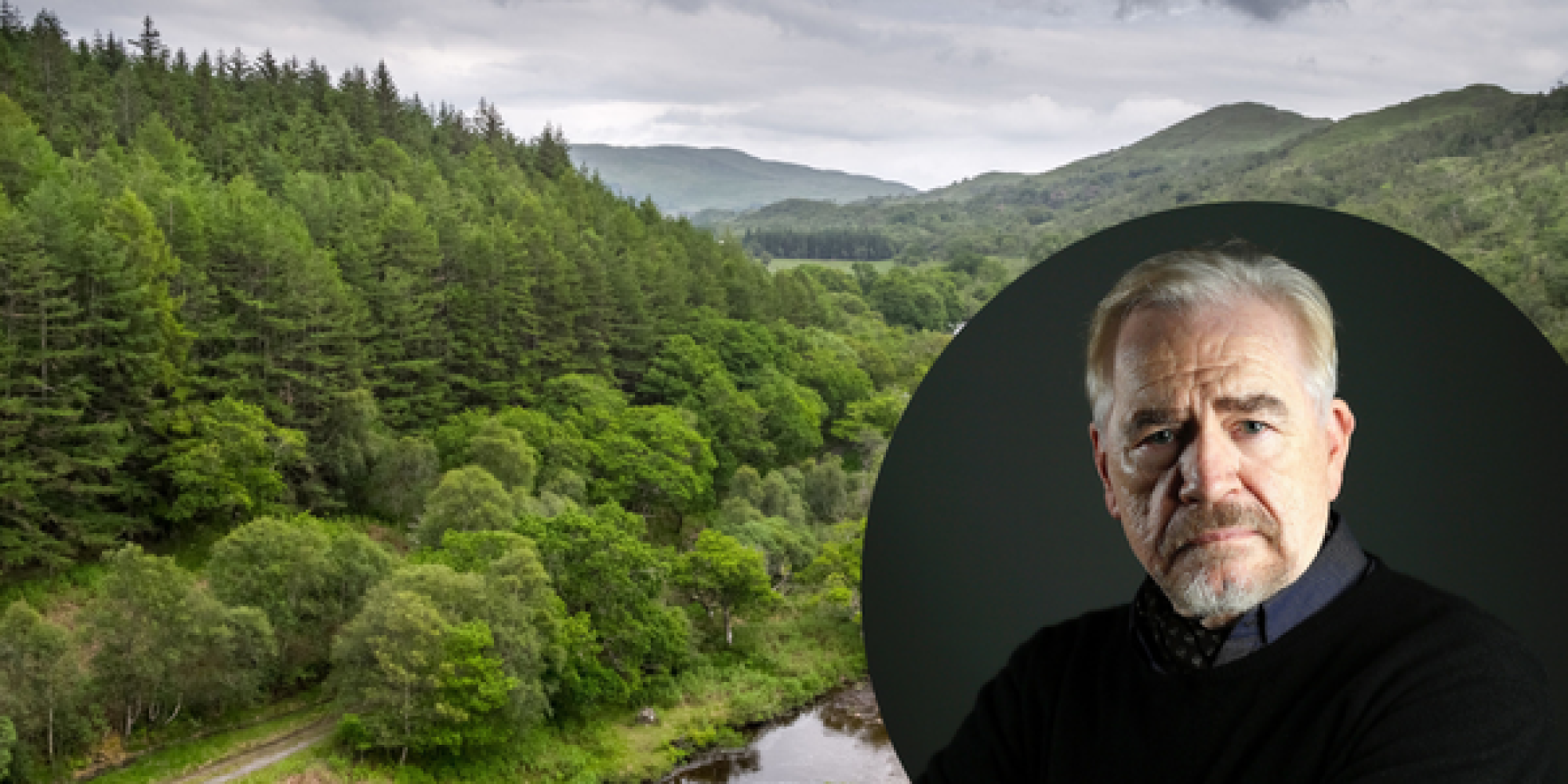
    Acclaimed Scottish actor Brian Cox CBE has backed calls for Scotland to be declared the first ‘Rewilding Nation’ in the world, with nature restored across 30% of its land and seas.

    Support comes days before Scottish Rewilding Alliance presents 30% nature recovery ‘vision of hope’ to Scottish Government

    Acclaimed Scottish actor Brian Cox CBE has backed calls for Scotland to be declared the first ‘Rewilding Nation’ in the world, with nature restored across 30% of its land and seas.

    The star of Succession and Shetland is calling on people to support the Scottish Rewilding Alliance’s Rewilding Nation Charter, which calls on the Scottish Government to commit to urgent action.

    Brian Cox’s call comes just days before the Alliance, a coalition of more than 20 organisations, presents its vision for a Rewilding Nation to the Government, at a reception in Edinburgh on Tuesday 3 December.

    In a letter published in The Guardian on 25 November, the Dundee-born actor, 78, laments Scotland’s nature loss, saying that “Scotland is a beautiful country – but all is not what it seems. Scotland is one of the planet’s most nature-depleted countries. Centuries of over-exploiting the country’s natural resources have left us with somewhere that looks beautiful but is dwindling day-by-day.”

    But Cox, considered one of the world’s finest stage actors, says there is hope, and points to the growing movement for nature recovery in Scotland.

    “Scots are modest, so shouting about our achievements doesn’t come naturally. But we should be proud of our rewilding progress. We now have more than 150 rewilding projects across the country. Hundreds of people working to put things right again. Thousands more who know that rewilding can transform Scotland’s future for the better,” he said.

    He continued: “My appeal to readers is to stand with your fellow Scots and support the Rewilding Nation Charter – urging the Scottish Government to declare Scotland the world’s first Rewilding Nation, together with urgent action to make it so.”

    Steve Micklewight, Co-Convenor of the Scottish Rewilding Alliance and Chief Executive of Trees for Life, said: “We are hugely grateful to Brian Cox for adding his voice to this vision of hope. Rewilding 30% of Scotland can be achieved by restoring habitats including peatlands, native woodlands, wetlands, rivers and seas, while maintaining and benefitting productive farmland.

    “This would help tackle the nature and climate emergencies, while creating a wealth of benefits for people including jobs, health, sustainable food, clean air and water, re-peopling, and thriving communities.”

    The Rewilding Nation campaign has drawn widespread support from people and organisations across Scotland. It also received public backing from Hollywood A-lister Leonardo DiCaprio in April this year.

    The Scottish Rewilding Alliance is calling on people from all walks of life to sign the Rewilding Nation Charter at rewild.scot/charter.

    ENDS

    Notes to editors

    Brian Cox’s letter in The Guardian published evening of Monday 25th November 2024

    Photo by James Shooter / scotlandbigpicture.com

  • Letter from Brian Cox CBE: support rewilding to save Scotland’s natural resources

    Letter from Brian Cox CBE: support rewilding to save Scotland’s natural resources

    Acclaimed Scottish actor Brian Cox CBE has backed calls for Scotland to be declared the first ‘Rewilding Nation’ in the world, with nature restored across 30% of its land and seas. Read his letter to the Guardian in full.

    Scotland is full of places I love: Dundee, where I grew up; Shetland, where we filmed the TV series of the same name; and Mull – my favourite island. It has world-class scenery and wonderful people. But we can’t get away from the facts. And the fact is that Scotland is one of the planet’s most nature-depleted countries. Centuries of overexploiting its natural resources have left us with somewhere that looks beautiful, but is dwindling day by day.

    This fails our hills, glens and rivers. It fails the animals we share our land and seas with. We’ve upset nature’s balance. That has a terrible impact on wildlife, but also on us. Scotland’s broken natural processes undermine our ability to cope with climate breakdown, affect food production and threaten our health.

    But there is hope. Scots are modest, so shouting about our achievements doesn’t come naturally. But we should be proud of our rewilding progress. We now have more than 150 rewilding projects across the country. Hundreds of people are working to put things right again.

    Thousands more know that rewilding can transform Scotland’s future for the better. Look to Mull, where the island’s inhabitants are reviving their flagging woodlands. My appeal to readers is to stand with your fellow Scots and support the Rewilding Nation Charter – urging the Scottish government to declare Scotland the world’s first rewilding nation, together with urgent action to make it so.

    Brian Cox

    Originally published in the Guardian on 25th November 2024

    Photo by James Shooter / scotlandbigpicture.com

  • Scottish school kids discover Europe’s wild side from their classrooms

    Scottish school kids discover Europe’s wild side from their classrooms

    A free resource pack for a rewilding lesson plan, for students 14+, is now available for download in English and Gaelic.

    Schoolchildren across Scotland are journeying across wilder Europe without leaving the classroom this year, using a lesson plan developed by the Scottish Rewilding Alliance. 

    The unique lesson plan is available in both English and Scottish Gaelic. The activities developed by the Scottish Rewilding Alliance encourage students to understand what is meant by rewilding, explore examples of large-scale nature restoration in mainland Europe and consider how we might take a similar approach here.

    The lesson plan includes the trailer for the documentary Why Not Scotland?. Released earlier this year, the film accompanies Flo, a young Scot from Glasgow, as she seeks out examples of nature recovery around Europe. Through the new lesson plan, students are invited to follow Flo on her journey and explore the impact of rewilding projects on wildlife and humans. 

    The lesson plan is part of the Alliance’s Rewilding Nation campaign, calling on the Scottish Government to declare Scotland the world’s first Rewilding Nation, with nature recovery taking place across 30% of the country.

    The Rewilding Nation campaign has already been backed by Hollywood star Leonardo DiCaprio.

    “This lesson plan is an amazing opportunity for teachers and students to engage with current discussions about rewilding in Scotland today, in both English and Gaelic,” said Karen Blackport, Scottish Rewilding Alliance Co-Convenor and Chief Executive of Bright Green Nature.

    “Scotland’s biodiversity loss has diminished our ability to tackle the climate and nature emergencies. Restoring our precious natural world offers hope for nature, climate and people, and equipping the next generation with the knowledge and skills to meet these challenges is essential.”

    Currently less than 3% of Scotland’s land and less than 1% of its seas are rewilding, according to analysis carried out by the Scottish Rewilding Alliance, a coalition of more than 20 organisations. 

    Rewilding 30% of Scotland can be achieved by restoring habitats including peatlands, native woodlands, wetlands, rivers and seas, while maintaining and benefitting productive farmland, it says.

    The Rewilding Nation Charter at www.rewild.scot/charter, calling on the Government to declare Scotland a rewilding nation, has already been signed by thousands of people.

    Charter signatory Roger from Largs, one of thousands who has signed the Rewilding Nation Charter, said: “We need to show our children and grandchildren the profusion of wildlife that should surround them as they grow up. Rewilding places like peat bogs and forests will also help to defeat the twin problem of climate change and nature loss.”

  • 80% of Scots want more rewilding action from Scottish Government, polling shows

    80% of Scots want more rewilding action from Scottish Government, polling shows

    New Programme for Government a key moment to prevent Scotland being “left behind” on nature recovery, says Scottish Rewilding Alliance.

    80% of Scots think the Scottish Government should have policies in place to support rewilding, shows polling carried out for the Scottish Rewilding Alliance.

    But the coalition of more than 20 organisations is warning that despite overwhelming public opinion in favour of large-scale nature restoration, the Scottish Government and public bodies are being too slow to engage with the opportunities offered by rewilding. 

    There are also fears that the forthcoming Scottish Natural Environment Bill may be less ambitious than planned. Recent government decisions such as the reallocation of £5 million from the Nature Restoration Fund have caused dismay.

    The Scottish Rewilding Alliance is calling on the Scottish Government to declare Scotland the world’s first Rewilding Nation, with nature recovery taking place across 30% of the country. The Alliance says the Programme for Government, due to be announced on 4 September, is a key opportunity to act.

    “The Scottish Government has been moving far too slowly on addressing the country’s nature crisis through rewilding, and risks being left behind internationally,” said Steve Micklewright, Scottish Rewilding Alliance Convenor and Chief Executive of Trees for Life.

    “It should seize the opportunity to declare Scotland the world’s first Rewilding Nation. Such ambition would offer hope for tackling the nature and climate emergencies, and create benefits for people and local communities on health, jobs, and sustainable food production.”

    While some public bodies now mention rewilding in their plans or are increasingly taking action to support rewilding, this is not widespread or clearly set out, says the Alliance. 

    Rewilding is not yet included in the Government’s key policies and frameworks, such as the planning framework, net zero plan, and biodiversity strategy.

    Scotland is one of the most nature-depleted countries in the world. Intensive agriculture and climate breakdown are having the biggest impacts on habitats and wildlife, with other threats including non-native forestry, pollution, and introduced species, research shows.

    In the new polling carried out by independent research agency Survation, 80% of respondents said they felt it was important the Scottish Government has policies in place to support rewilding.

    Currently less than 3% of Scotland’s land and less than 1% of its seas are rewilding, according to analysis carried out by the Scottish Rewilding Alliance.

    Rewilding 30% of Scotland can be achieved by restoring habitats including peatlands, native woodlands, wetlands, rivers and seas, while maintaining and benefitting productive farmland, it says.

    The Rewilding Nation Charter at www.rewild.scot/charter, calling on the Government to declare Scotland a rewilding nation, has already been signed by thousands of people.

    Charter signatory Genevieve from Nairn, said: “We must be the future and show the way. Scotland has so much potential and the people are already showing their commitment to nature, for the species, planet and ourselves. We need the government to be brave, take our lead, and commit to becoming a Rewilding Nation.”

    The Rewilding Nation campaign was backed by Hollywood star Leonardo DiCaprio earlier this year.Ends

    Notes to editors

    * 1,000 people were asked for their views on the Scottish Government’s policies on rewilding in the opinion poll conducted by market research agency Survation (www.survation.com) on behalf of the Scottish Rewilding Alliance in August 2024.

    * People were asked: “Rewilding is the large-scale restoration of nature to the point where it can take care of itself, on land and at sea. In Scotland, less than 3% of our land and less than 1% of our seas are currently rewilding. How important is it to you that the Scottish Government has policies in place to support rewilding?” 80.47% said this was very or somewhat important, excluding those who answered don’t know.

  • Minister for Agriculture and Connectivity visits Perthshire rewilding farm where extra million litres of water is stored in beaver wetland

    Minister for Agriculture and Connectivity visits Perthshire rewilding farm where extra million litres of water is stored in beaver wetland

    Argaty Red Kites welcomed Jim Fairlie MSP, the Minister for Agriculture and Connectivity, at their Perthshire livestock farm.

    The minister was offered a tour of riparian woodland plantations, beaver wetlands and nature-friendly crops, led by owner Tom Bowser and contract farmers Mark and Harriet Donald. 

    Mr Fairlie was shown how Argaty is producing food sustainably while also restoring nature at scale. At Argaty, less productive ground where attempts to produce food posed challenges has been set aside for nature. Ponds and new broadleaf woodlands are slowing the flow of water off the land and reducing flooding issues downstream. 

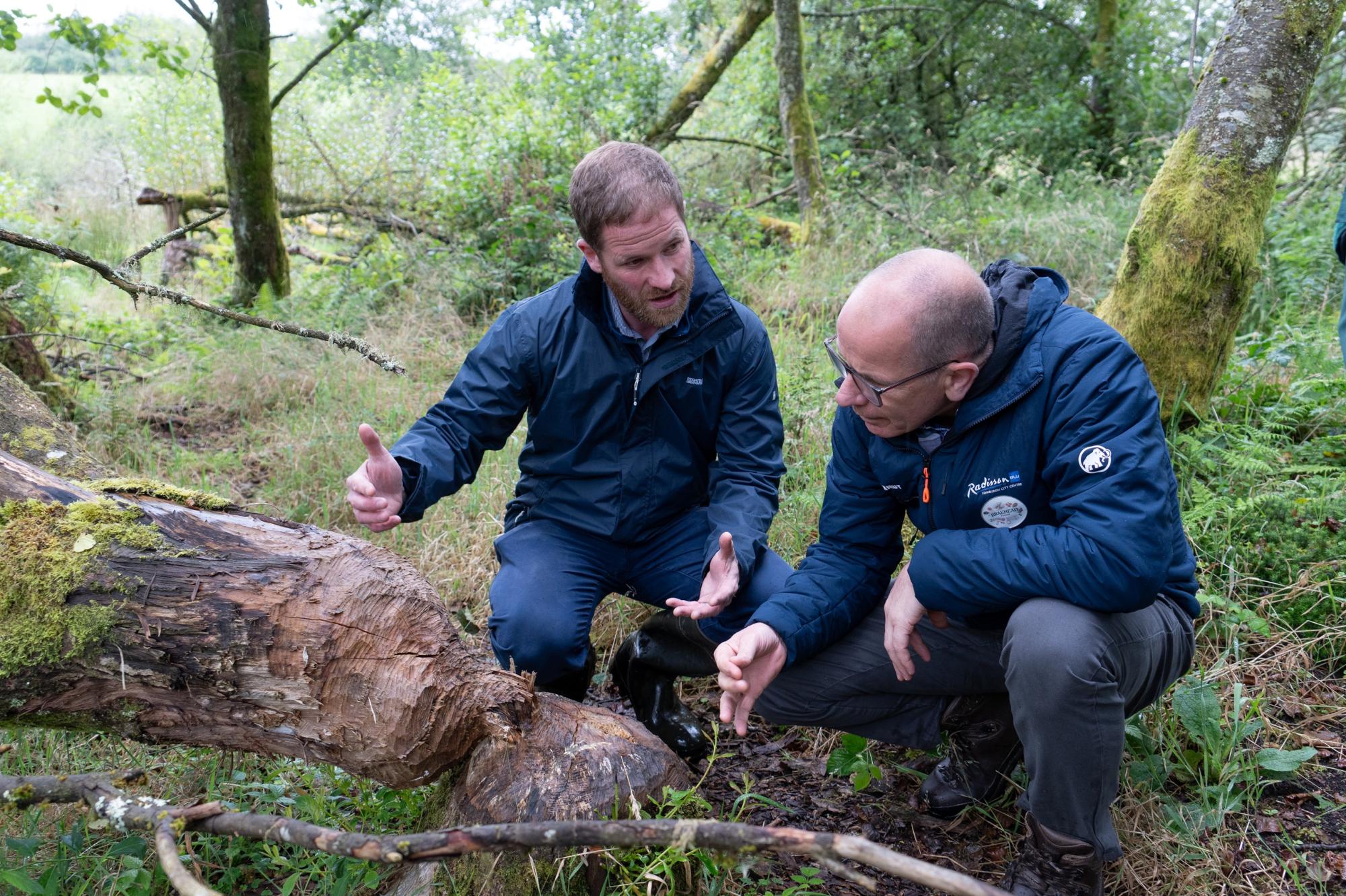
    In 2021, Argaty became the first private estate in Scottish history to rehome beavers. The minister was shown the dams and side channels the beavers have created since their release at the farm.

    Scientists at Stirling University estimate that an extra million litres of water are now stored in one wetland thanks to the Argaty beavers. The animals have saved Argaty thousands of pounds in flood damage and become a valuable part of the farm’s growing eco-tourism business.

    Tom Bowser, owner of Argaty, said: “It was such a privilege to host Mr Fairlie and demonstrate the benefits beavers can bring to river tributaries in farmed environments. Balanced nuanced conversations like this are vital if we are to find ways of restoring nature whilst continuing to produce food sustainably.”

    The minister also visited a kale-rape hybrid crop funded through the Scottish Government’s Agri-Environment Climate Scheme. A stubble turnip crop planted as spring forage for sheep has been enhanced by adding quinoa, crimson clover, cocksfoot and phacelia – plants which provide a food source for birds and pollinators.

    The final stop on the tour was Argaty’s Restoring the Waterways, Reconnecting the Cores project funded through the Scottish Government’s Nature Restoration Fund, in which the Argaty burn has been fenced off and 3,700 native broadleaf trees planted. 

    The minister discussed how work like this can restore and reconnect wildlife habitats, help shade watercourses and improve water quality. These riverbank buffer zones – measuring only 5-10 metres from the water’s edge – are a prime example of ways Scotland could make an instant impact for people, nature and climate without taking significant amounts of land out of production. 

    Scotland is one of the most nature-depleted countries in the world. With around three quarters of the nation’s land used for agriculture, the low-cost solutions pioneered at Argaty could help boost biodiversity if adopted more widely.

    Jim Fairlie, Minister for Agriculture and Connectivity, said: “It was great to see the work being done at Argaty to demonstrate how sustainable farming can work well alongside restoring nature. Farmers know how important it is to work with the landscape and protect biodiversity and it was fascinating to see how the small beaver population on the farm is contributing to these objectives.”

    Mark and Harriet Donald, contract farmers at Argaty said: “We welcomed the opportunity to engage with Mr Fairlie, promoting Argaty and demonstrating that delivering for nature can happen alongside and in partnership with a commercial farming operation. It is fully possible to increase production output and natural capital gain while simultaneously reducing inputs such as inorganic fertilisers.”

    Argaty is a working sheep and beef farm located on the Braes of Doune in central Scotland. It is home to Argaty Red Kites, an award-winning rewilding project.

    For more information visit: argatyredkites.co.uk

  • Statement: Nature Restoration Fund reallocation is a mistake the government can’t afford to make

    Statement: Nature Restoration Fund reallocation is a mistake the government can’t afford to make

    Our media statement in response to reports that funding for local nature restoration will be redirected.

    Yesterday (25 August) it was reported that money set aside for restoring nature will be diverted into funding wage settlements in Scotland’s local authorities. The Scottish Rewilding Alliance is calling for this decision to be reversed and funding for nature expanded through using the Scottish Government’s new powers. 

    The Nature Restoration Fund is a fund used for crucial ecological restoration projects. Funding is split between NatureScot, which uses it to directly fund projects restoring nature across Scotland, as well as local authorities and national parks, who use it to deliver local projects and to set up Nature Networks across their local areas. 

    £17 million has been allocated through the Nature Restoration Fund since 2022 to support nature restoration via local authorities and national parks. Councils have used this funding to support local nature restoration and rewilding projects as well as restore nature directly. 

    £5m is being redirected to fund the pay offer. The Scottish Government has promised to replace this money in future years.

    Steve Micklewright, co-convenor of the Scottish Rewilding Alliance, said:

    “We all depend on nature for our survival. Allowing nature to decline undermines our access to food, damages our ability to cope with the effects of climate breakdown and deprives communities of economic opportunities. Communities across Scotland are already feeling the impact of the nature and climate crises. Directing money away from local nature restoration projects harms Scotland’s natural environment and our own health and wellbeing.”

    Scotland is one of the most nature-depleted countries on Earth, ranked 212 out of 240 countries and territories on the biodiversity intactness index. The Scottish Government’s own biodiversity strategy, updated last year, provides evidence showing that Scotland’s natural environment has been heavily damaged – and continues to decline. 

    Steve Micklewright also said: 

    “We must take nature restoration seriously – promising to put the money back is not enough.

    Scotland should lead by example and become the world’s first Rewilding Nation, establishing long-term funding for nature’s restoration for the benefit of all. As well as replenishing the Nature Restoration Fund, the Scottish Government must use its new powers from the Agriculture and Rural Communities Act to ensure fair and robust funding for nature’s future. 

    The time for action is now.”

    The Agriculture and Rural Communities Act, which was passed by the Scottish Parliament in June 2024, granted the Scottish Government a range of powers to fund the restoration of nature. This included assisting people to set aside land for nature, carry out activities that preserve or protect land or water, and create community benefits like access to nature, clean air and clean water. 

    Once the Act receives Royal Assent, the Scottish Government will have more powers available to tackle the climate and nature crises.

    The Scottish Rewilding Alliance’s Rewilding Nation Charter at www.rewild.scot/charter, calling on the Scottish Government to declare Scotland a rewilding nation, was launched this spring and has already been signed by thousands of people and organisations. 

    Image credit: © Peter Cairns / scotlandbigpicture.com

  • 412% increase in jobs at Scotland rewilding sites, research shows

    412% increase in jobs at Scotland rewilding sites, research shows

    First rewilding job creation statistics for Scotland come as Rewilding Nation calls grow.

    Rewilding has boosted job numbers at sites across Scotland by more than 400% while tackling the nature and climate emergencies, new research by Rewilding Britain shows.

    An analysis of 13 major rewilding projects covering almost 60,000 hectares between them has revealed a 412% increase in jobs since rewilding began. The varied sample includes sites owned or managed by charities, communities, private landowners, and public bodies.

    The first findings of their kind for Scotland come as calls grow for the Scottish Government to declare Scotland the world’s first Rewilding Nation and commit to nature recovery across 30% of land and sea.

    “These remarkable job creation figures show how rewilding can turbocharge social and economic benefits for people, while offering hope for reversing biodiversity loss and tackling climate breakdown,” said Kevin Cumming, Rewilding Britain’s Rewilding Director and Deputy Convenor of the Scottish Rewilding Alliance. “This is yet another powerful illustration of why the Scottish Government should declare Scotland a Rewilding Nation. The choice and the opportunity for the country is huge – for jobs and local economies, and for better health, food production, re-peopling, and access to fresh water and clean air.”

    Full-time equivalent jobs across the rewilding sites have increased five-fold from 24 before rewilding began to 123 now. The variety of jobs has boomed too, and includes nature-based hospitality and tourism, estate management, ecology, environmental monitoring, rewilding interventions, recreation, and education. Benefits for people’s health and wellbeing, and opportunities for gaining valuable skills and experience, have also surged thanks to combined volunteer numbers at the sites increasing from zero to 435.

    The sites began rewilding at different times, and are all over 100 hectares in size. Together they cover a total of 59,496 hectares, of which 43,233 hectares are rewilding. They are all members of the Rewilding Britain-managed Rewilding Network, which brings together and supports projects across Britain. The largest recorded rise in jobs is at Trees for Life’s 4,000-hectare Dundreggan estate near Loch Ness. Since the rewilding charity’s purchase of the former deer stalking estate in 2008, jobs have soared from one to 36, while volunteer numbers have risen from zero to 100.

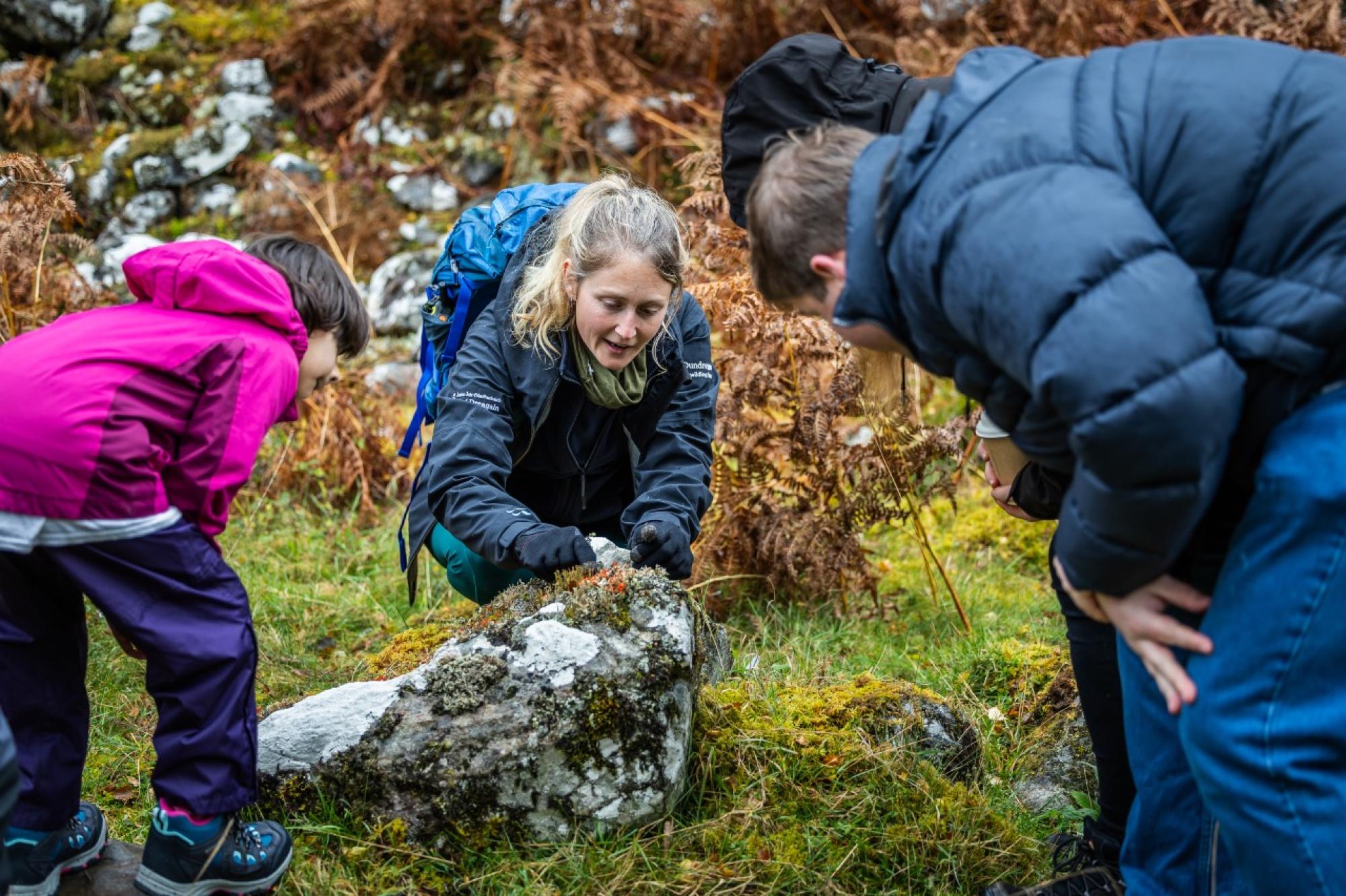
    At Dundreggan, Trees for Life is restoring the Caledonian forest and its wildlife. Last year, the charity opened the world’s first Rewilding Centre on the estate in the Highlands, to showcase how rewilding can give people inspiring experiences, create jobs and benefit rural communities.

    At the community-owned Tarras Valley Nature Reserve in Dumfries and Galloway, jobs have already risen from one to six. The 4,250-hectare nature restoration project on Langholm Moor was created after the town of Langholm raised £6m to buy the former grouse moor between 2020-2022.

    The pioneering buyout led to the creation of the vast new reserve to support community regeneration, address climate breakdown, and restore nature. Emerging opportunities include conservation grazing, regenerative farming, restoration of peatlands and native woodlands, and eco-tourism.Rewilding Britain will continue to add new job creation data from a growing number of rewilding sites as it becomes available.

    Despite growing praise for its rewilding progress, Scotland is one of the most nature-depleted countries on Earth. Intensive agriculture and climate breakdown are having the biggest impacts on habitats and wildlife, with other threats including non-native forestry, pollution, and introduced species, research shows.The Scottish Rewilding Alliance’s Rewilding Nation Charter at www.rewild.scot/charter, calling on the Scottish Government to declare Scotland a rewilding nation, was launched this spring and has already been signed by thousands of people.

    Rewilding 30% of Scotland can be achieved by restoring habitats including peatlands, native woodlands, wetlands, rivers and seas, with no loss of productive farmland, says the Alliance.

    Image credit: Paul Campbell Photography

  • Three-quarters of Scots want more beaver reintroductions – but government agencies ‘go slow’ despite beaver deaths

    Three-quarters of Scots want more beaver reintroductions – but government agencies ‘go slow’ despite beaver deaths

    Three-quarters of Scots want Scotland’s public bodies to step up action on beaver reintroductions, shows research conducted for the Scottish Rewilding Alliance.

    But government agencies are not delivering on a Scottish Government call on them to lead in moving beavers to new areas – resulting in more than two years of inaction and indecision, and missed opportunities for local communities, says the Alliance.

    In polling carried out by independent research agency Survation, 73% of respondents said Scotland’s public bodies should identify more sites on their land where beavers could live.

    “This is overwhelming public support for bringing back beavers to suitable habitat. Government bodies that manage land on behalf of the public need to listen, and move ahead on reintroducing these key allies in tackling the nature and climate emergencies,” said Kevin Cumming, the Scottish Rewilding Alliance’s Deputy Convenor and Rewilding Britain’s Rewilding Director.

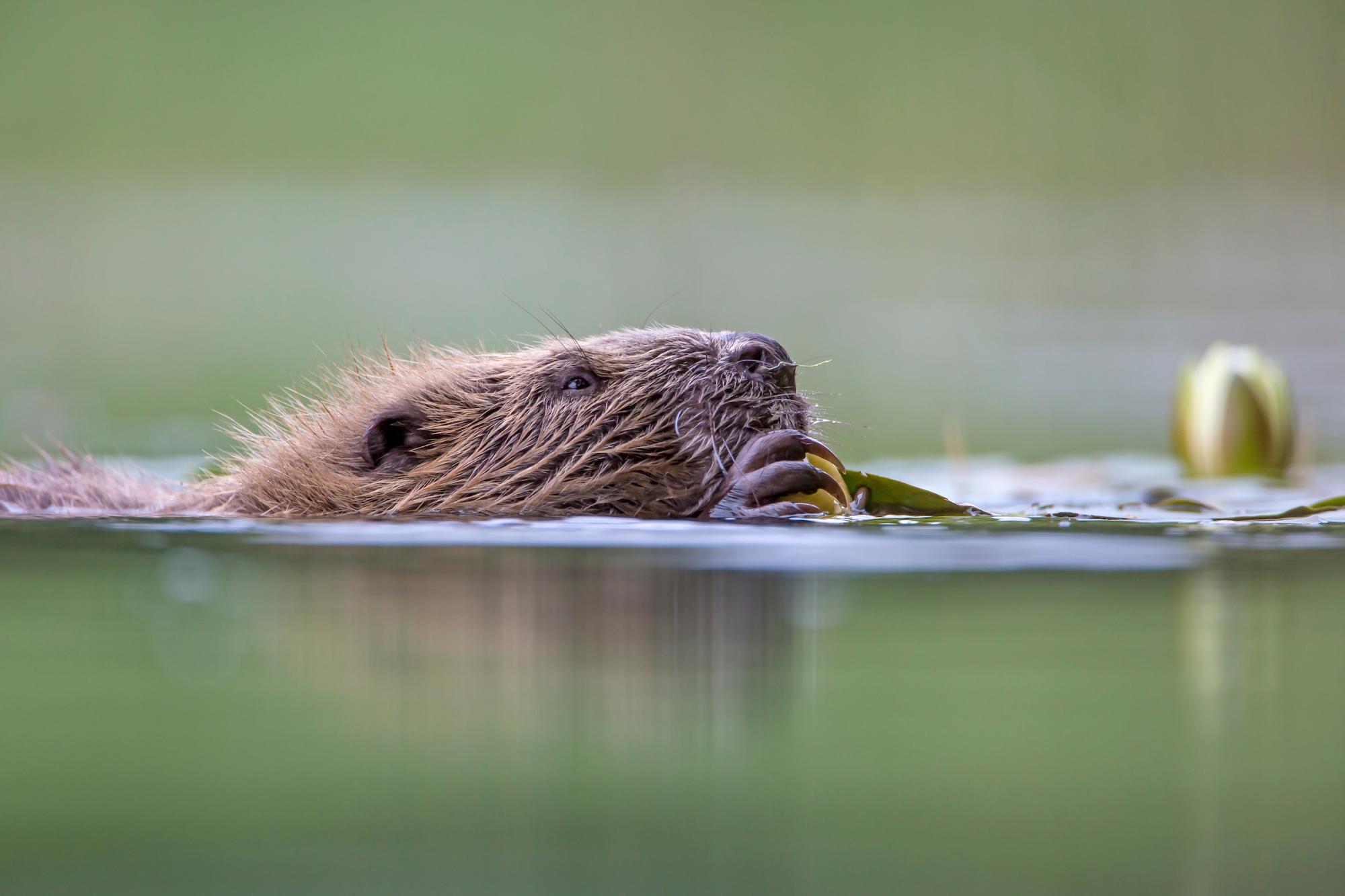
    Beavers create wetlands that benefit other wildlife, soak up carbon dioxide, purify water and reduce flooding. They can also bring economic benefits to communities through eco-tourism.  

    Relocating beavers to suitable wild habitat from agricultural land where they can cause problems also benefits farmers, and saves beavers from being shot. Since 2019, an average of 88 Scottish beavers have been killed under licence annually, potentially 20% of their population.

    Yet Scotland’s public bodies have relocated just five beaver families – all within Cairngorms National Park – beyond beavers’ current range since early 2022, when the Scottish Government called on them to upscale action for returning the native species to public land.

    “Cairngorms National Park Authority is showing what can be done, with beavers released at several sites, and plans for more over the next five years. Our other public agencies need to play catch-up with the Cairngorms, and end their own go-slow approach to restoring this biodiversity-boosting, flood-reducing, habitat-creating species,” said Kevin Cumming.

    The Scottish Government’s nature agency, NatureScot, has identified over 100,000 hectares of ‘beaver core woodland’ across Scotland, where beavers could establish long-term territories, while Scotland’s government bodies manage 10% of public land between them.

    Bolder action is especially needed from Forestry and Land Scotland (FLS), the country’s biggest manager of public land, says the Alliance. FLS manages a massive 640,000 hectares of Scotland, including many waterways known to be highly suitable for beavers.

    Yet despite its involvement in a potential beaver reintroduction in Glen Affric – a proposal welcomed by a significant majority of the local community in a series of extensive consultations – FLS has yet to welcome back a single beaver to a site beyond the species’ current range.

    NatureScot, which issues lethal control licences, has so far failed to lead on beaver relocations to its national nature reserves. 

    Beavers were driven to extinction in Scotland some 400 years ago, before their official reintroduction in 2016 and recognition as a protected species in 2019. Reintroduction of beavers to new areas requires appropriate habitat assessments and public consultation.

    Farmer Tom Bowser, from Argaty near Doune, has reintroduced several beavers to his family farm under licence, saving them from culling. He said: “The beavers have only brought us benefits. Their dams, in what was once a flood-prone part of our farm, have saved us real money in annual track repairs, because we just don’t see floods there anymore.”

    The Scottish Rewilding Alliance says relocations should be prioritised when landowners have problems, with lethal control licences only issued as a genuine last resort. The Alliance also advocates paying farmers for having beavers on their land. 

    Scotland’s Beaver Strategy, published by NatureScot in 2022 after a process involving more than 50 stakeholder organisations, aims to ensure communities are supported to maximise the benefits of beavers, with negative impacts minimised, and to actively expand the beaver population into appropriate areas. Achieving this depends on public bodies being far more proactive in restoring beavers to public land, says the Alliance.

    The Scottish Rewilding Alliance’s Rewilding Nation Charter at www.rewild.scot/charter calls on the Scottish Government to declare Scotland a rewilding nation, with a commitment to nature recovery across 30% of land and sea. The Charter has already been signed by thousands of people since its launch this spring.

    / Ends

  • Opinion piece: Scottish Government reset – why rewilding offers hope for a better future

    Opinion piece: Scottish Government reset – why rewilding offers hope for a better future

    This opinion piece reflects on the mid-2024 Scottish Government reset, and how restoring biodiversity and delivering effective climate action must be front and centre on the Government’s to do list.

    By Steve Micklewright, Convenor of the Scottish Rewilding Alliance and Chief Executive of Trees for Life

    With our third First Minister in just over a year now in post, the Scottish Government will be reflecting on its priorities, and seeking answers to many issues.

    By any objective standard, restoring biodiversity and delivering effective climate action must be front and centre on the Government’s to do list. And concerted, meaningful action on the nature and climate crises are a top priority for vast numbers of people.

    Witness the thousands across Scotland who have already signed the Scottish Rewilding Alliance’s Rewilding Nation Charter in the first weeks since its launch. The Charter calls on the Government to declare Scotland a Rewilding Nation, committing to nature restoration across 30% of land and sea.

    Such ambitious nature recovery is urgently needed, and can be achieved by restoring natural habitats including peatlands, native woodlands, wetlands, rivers and seas, without loss of productive farmland. 

    Many of those signing the Charter are leaving heartfelt comments about why they want the Government to act. It’s clear people are in desperate need of hope, know the climate and nature emergencies have to be tackled together, and don’t want Scotland to languish as one of the most nature-depleted countries on Earth.

    Meanwhile, more than 2% of Scotland’s land is now rewilding, thanks to over 150 projects from community woodlands to landscape-scale partnerships. It’s not nearly enough, but the pace of change has been remarkable.

    It’s increasingly clear to growing numbers of people that rewilding – large-scale nature restoration – is a powerful solution for reversing biodiversity loss and addressing climate breakdown, while creating benefits including better health, new jobs and community wealth-building, food security, re-peopling, and healthy rivers and seas.

    Ultimately this is about choice: as a nation, are we willing and able to work with nature rather than against it? The consequences of that choice are profound.

    Take food production. Farming and agriculture depend on crucial natural processes – from wild insects pollinating food and improving harvests, to healthy soils feeding crops, shielding them from disease and boosting yields. With natural processes disrupted or broken across Scotland, choosing to act for nature’s recovery will provide agriculture with a much more secure future.

    Equally, as our new First Minister and his deputy review the Government’s priorities, they will surely reflect on the record levels of rainfall we have endured this spring – causing so much flooded and waterlogged ground that farmers have had to delay sowing crops or letting animals out to graze. Not forgetting that this dire situation followed hard on the heels of the storms of last autumn and winter.

    Extreme weather is hollowing away the ability of our farmers, crofters and growers to make a living. A short-term answer is to provide more support – and this badly needed. But we must also deal with the fundamental cause of our now highly unpredictable and extreme weather patterns: climate breakdown. And that means nature restoration as well as slashing carbon emissions.

    While the government might have abandoned its 2030 targets to help reach net zero by 2045, the latest Government reset is an opportunity to identify what can be done to get Scotland back on track. Yet this is only part of the answer, because large-scale nature restoration can help with both the causes and consequences of a warming world.

    A recent report to the Scottish Government by the New Economics Foundation says rewilding approaches can help us deal with some of the worst impacts of climate change at much less cost than big infrastructure investments, while also locking away carbon. Rewilding solutions include ensuring healthy peatlands, native woodlands and seagrass to soak up carbon, and restoring ecosystems which help defend us from droughts, floods and wildfires.

    With a recent survey indicating more than 80% of climate scientists consider that the international target to keep global temperature rise below 1.5% will not be achieved, with dire consequences, it is clear we must raise our game.

    To take another example: we face a mental health epidemic, with a battered NHS struggling to provide the healthcare we all expect and deserve. More investment in the health service is long overdue – but nature can play a powerful role in improving human health. Many doctors now prescribe contact with nature – sometimes as simple as going for a walk in a natural green space a few times a week – as a treatment for physical and mental health conditions.

    Bringing trees, birds, bees, wildflowers and butterflies closer to people provides natural healing resources for everyone. Here again, rewilding offers a big dose of hope.

    As Convenor of the Scottish Rewilding Alliance, a coalition of 20 organisations, I have written to the new First Minister and deputy asking them to double down on work to tackle the climate and nature emergencies, and to meet them to discuss the situation.

    So far, the first days of John Swinney’s time as First Minister seem to have taken us one step forwards and one backwards. The appointment of a Minister for Climate Action is very welcome – but the apparent loss of any minister for biodiversity is very disappointing.

    Because the climate and nature emergencies are inextricably linked, a more joined-up, forward-thinking approach would be to appoint a Cabinet Minister for Climate and Nature Action.

    Such a Minister should reaffirm commitments to designate at least one new national park before the end of this parliament, with the main priority of our national parks being nature recovery and climate action.

    They should commit to fully implementing the emerging biodiversity strategy, with statutory targets; end foot-dragging on introducing management measures for marine protected areas and priority marine features; and ensure no delays for practical measures such as encouraging landscape scale deer management and licensing burning of grouse moors.

    As the Government hits a reset button, this should include resetting our relationship with the natural world. Scotland has the choice and the opportunity to show global leadership by becoming the world’s first Rewilding Nation – creating a greener, fairer future for us all.

    Ends