Category: News and blog

  • Three-quarters of Scots want more beaver reintroductions – but government agencies ‘go slow’ despite beaver deaths

    Three-quarters of Scots want more beaver reintroductions – but government agencies ‘go slow’ despite beaver deaths

    Three-quarters of Scots want Scotland’s public bodies to step up action on beaver reintroductions, shows research conducted for the Scottish Rewilding Alliance.

    But government agencies are not delivering on a Scottish Government call on them to lead in moving beavers to new areas – resulting in more than two years of inaction and indecision, and missed opportunities for local communities, says the Alliance.

    In polling carried out by independent research agency Survation, 73% of respondents said Scotland’s public bodies should identify more sites on their land where beavers could live.

    “This is overwhelming public support for bringing back beavers to suitable habitat. Government bodies that manage land on behalf of the public need to listen, and move ahead on reintroducing these key allies in tackling the nature and climate emergencies,” said Kevin Cumming, the Scottish Rewilding Alliance’s Deputy Convenor and Rewilding Britain’s Rewilding Director.

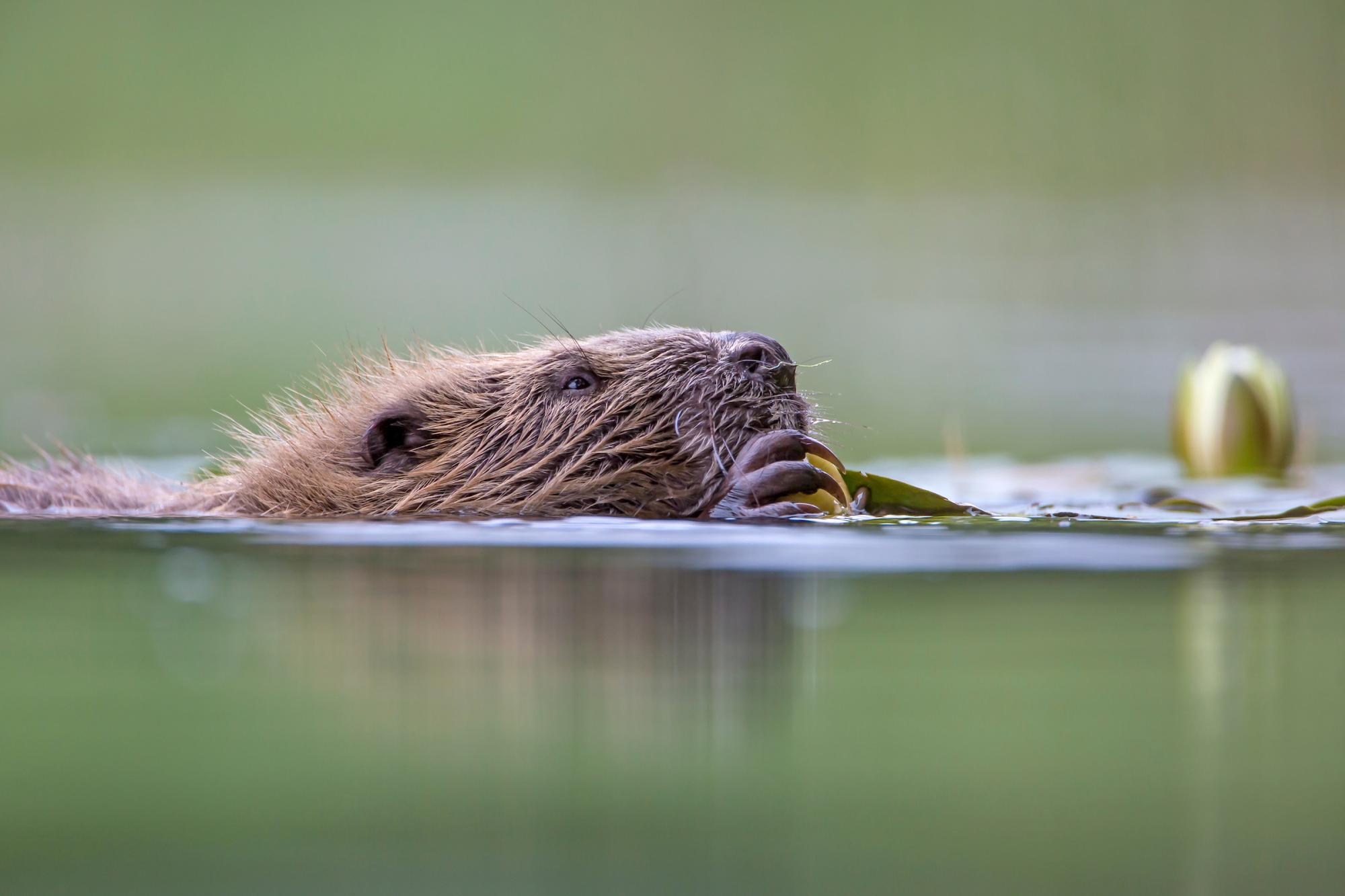
    Beavers create wetlands that benefit other wildlife, soak up carbon dioxide, purify water and reduce flooding. They can also bring economic benefits to communities through eco-tourism.  

    Relocating beavers to suitable wild habitat from agricultural land where they can cause problems also benefits farmers, and saves beavers from being shot. Since 2019, an average of 88 Scottish beavers have been killed under licence annually, potentially 20% of their population.

    Yet Scotland’s public bodies have relocated just five beaver families – all within Cairngorms National Park – beyond beavers’ current range since early 2022, when the Scottish Government called on them to upscale action for returning the native species to public land.

    “Cairngorms National Park Authority is showing what can be done, with beavers released at several sites, and plans for more over the next five years. Our other public agencies need to play catch-up with the Cairngorms, and end their own go-slow approach to restoring this biodiversity-boosting, flood-reducing, habitat-creating species,” said Kevin Cumming.

    The Scottish Government’s nature agency, NatureScot, has identified over 100,000 hectares of ‘beaver core woodland’ across Scotland, where beavers could establish long-term territories, while Scotland’s government bodies manage 10% of public land between them.

    Bolder action is especially needed from Forestry and Land Scotland (FLS), the country’s biggest manager of public land, says the Alliance. FLS manages a massive 640,000 hectares of Scotland, including many waterways known to be highly suitable for beavers.

    Yet despite its involvement in a potential beaver reintroduction in Glen Affric – a proposal welcomed by a significant majority of the local community in a series of extensive consultations – FLS has yet to welcome back a single beaver to a site beyond the species’ current range.

    NatureScot, which issues lethal control licences, has so far failed to lead on beaver relocations to its national nature reserves. 

    Beavers were driven to extinction in Scotland some 400 years ago, before their official reintroduction in 2016 and recognition as a protected species in 2019. Reintroduction of beavers to new areas requires appropriate habitat assessments and public consultation.

    Farmer Tom Bowser, from Argaty near Doune, has reintroduced several beavers to his family farm under licence, saving them from culling. He said: “The beavers have only brought us benefits. Their dams, in what was once a flood-prone part of our farm, have saved us real money in annual track repairs, because we just don’t see floods there anymore.”

    The Scottish Rewilding Alliance says relocations should be prioritised when landowners have problems, with lethal control licences only issued as a genuine last resort. The Alliance also advocates paying farmers for having beavers on their land. 

    Scotland’s Beaver Strategy, published by NatureScot in 2022 after a process involving more than 50 stakeholder organisations, aims to ensure communities are supported to maximise the benefits of beavers, with negative impacts minimised, and to actively expand the beaver population into appropriate areas. Achieving this depends on public bodies being far more proactive in restoring beavers to public land, says the Alliance.

    The Scottish Rewilding Alliance’s Rewilding Nation Charter at www.rewild.scot/charter calls on the Scottish Government to declare Scotland a rewilding nation, with a commitment to nature recovery across 30% of land and sea. The Charter has already been signed by thousands of people since its launch this spring.

    / Ends

  • Opinion piece: Scottish Government reset – why rewilding offers hope for a better future

    Opinion piece: Scottish Government reset – why rewilding offers hope for a better future

    This opinion piece reflects on the mid-2024 Scottish Government reset, and how restoring biodiversity and delivering effective climate action must be front and centre on the Government’s to do list.

    By Steve Micklewright, Convenor of the Scottish Rewilding Alliance and Chief Executive of Trees for Life

    With our third First Minister in just over a year now in post, the Scottish Government will be reflecting on its priorities, and seeking answers to many issues.

    By any objective standard, restoring biodiversity and delivering effective climate action must be front and centre on the Government’s to do list. And concerted, meaningful action on the nature and climate crises are a top priority for vast numbers of people.

    Witness the thousands across Scotland who have already signed the Scottish Rewilding Alliance’s Rewilding Nation Charter in the first weeks since its launch. The Charter calls on the Government to declare Scotland a Rewilding Nation, committing to nature restoration across 30% of land and sea.

    Such ambitious nature recovery is urgently needed, and can be achieved by restoring natural habitats including peatlands, native woodlands, wetlands, rivers and seas, without loss of productive farmland. 

    Many of those signing the Charter are leaving heartfelt comments about why they want the Government to act. It’s clear people are in desperate need of hope, know the climate and nature emergencies have to be tackled together, and don’t want Scotland to languish as one of the most nature-depleted countries on Earth.

    Meanwhile, more than 2% of Scotland’s land is now rewilding, thanks to over 150 projects from community woodlands to landscape-scale partnerships. It’s not nearly enough, but the pace of change has been remarkable.

    It’s increasingly clear to growing numbers of people that rewilding – large-scale nature restoration – is a powerful solution for reversing biodiversity loss and addressing climate breakdown, while creating benefits including better health, new jobs and community wealth-building, food security, re-peopling, and healthy rivers and seas.

    Ultimately this is about choice: as a nation, are we willing and able to work with nature rather than against it? The consequences of that choice are profound.

    Take food production. Farming and agriculture depend on crucial natural processes – from wild insects pollinating food and improving harvests, to healthy soils feeding crops, shielding them from disease and boosting yields. With natural processes disrupted or broken across Scotland, choosing to act for nature’s recovery will provide agriculture with a much more secure future.

    Equally, as our new First Minister and his deputy review the Government’s priorities, they will surely reflect on the record levels of rainfall we have endured this spring – causing so much flooded and waterlogged ground that farmers have had to delay sowing crops or letting animals out to graze. Not forgetting that this dire situation followed hard on the heels of the storms of last autumn and winter.

    Extreme weather is hollowing away the ability of our farmers, crofters and growers to make a living. A short-term answer is to provide more support – and this badly needed. But we must also deal with the fundamental cause of our now highly unpredictable and extreme weather patterns: climate breakdown. And that means nature restoration as well as slashing carbon emissions.

    While the government might have abandoned its 2030 targets to help reach net zero by 2045, the latest Government reset is an opportunity to identify what can be done to get Scotland back on track. Yet this is only part of the answer, because large-scale nature restoration can help with both the causes and consequences of a warming world.

    A recent report to the Scottish Government by the New Economics Foundation says rewilding approaches can help us deal with some of the worst impacts of climate change at much less cost than big infrastructure investments, while also locking away carbon. Rewilding solutions include ensuring healthy peatlands, native woodlands and seagrass to soak up carbon, and restoring ecosystems which help defend us from droughts, floods and wildfires.

    With a recent survey indicating more than 80% of climate scientists consider that the international target to keep global temperature rise below 1.5% will not be achieved, with dire consequences, it is clear we must raise our game.

    To take another example: we face a mental health epidemic, with a battered NHS struggling to provide the healthcare we all expect and deserve. More investment in the health service is long overdue – but nature can play a powerful role in improving human health. Many doctors now prescribe contact with nature – sometimes as simple as going for a walk in a natural green space a few times a week – as a treatment for physical and mental health conditions.

    Bringing trees, birds, bees, wildflowers and butterflies closer to people provides natural healing resources for everyone. Here again, rewilding offers a big dose of hope.

    As Convenor of the Scottish Rewilding Alliance, a coalition of 20 organisations, I have written to the new First Minister and deputy asking them to double down on work to tackle the climate and nature emergencies, and to meet them to discuss the situation.

    So far, the first days of John Swinney’s time as First Minister seem to have taken us one step forwards and one backwards. The appointment of a Minister for Climate Action is very welcome – but the apparent loss of any minister for biodiversity is very disappointing.

    Because the climate and nature emergencies are inextricably linked, a more joined-up, forward-thinking approach would be to appoint a Cabinet Minister for Climate and Nature Action.

    Such a Minister should reaffirm commitments to designate at least one new national park before the end of this parliament, with the main priority of our national parks being nature recovery and climate action.

    They should commit to fully implementing the emerging biodiversity strategy, with statutory targets; end foot-dragging on introducing management measures for marine protected areas and priority marine features; and ensure no delays for practical measures such as encouraging landscape scale deer management and licensing burning of grouse moors.

    As the Government hits a reset button, this should include resetting our relationship with the natural world. Scotland has the choice and the opportunity to show global leadership by becoming the world’s first Rewilding Nation – creating a greener, fairer future for us all.

    Ends

  • Statement: MSPs unanimously vote to support rural businesses working in harmony with nature

    Statement: MSPs unanimously vote to support rural businesses working in harmony with nature

    Our media statement in response to MSPs unanimously voting to support rural businesses in the Agriculture and Rural Communities Bill

    Today (Wednesday 15 May), a group of MSPs unanimously voted to support rural businesses working in harmony with nature.

    At a meeting to discuss potential changes to the Agriculture and Rural Communities Bill, which sets up the future framework for support payments to farmers and rural businesses, all committee members voted to include nature restoration in the Bill.

    This means that future public spending can be directed towards businesses that are creating public goods like cleaner air and water, boosting biodiversity or sequestering carbon. Nature-based enterprises should also enjoy support in the future.

    A majority of committee members also voted to ensure that people wishing to prioritise nature on some of their land can benefit from support payments.

    Tom Bowser, a member of the Scottish Rewilding Alliance management team and owner of a family farm, said:

    “As someone who has seen firsthand how the return of nature can benefit farmers and communities, I’m delighted to see unanimous support for the principle that nature is worth spending public money on.

    While we were disappointed not to see the restoration of natural processes and ecological restoration in the legislation, this is a huge step forward.

    I look forward to more detail from the Scottish Government on how they will support rural businesses restore nature while making a living. Thousands of people have now signed the Rewilding Nation Charter, telling us and the government that they want to live in a country that puts nature first.”

    For more information, visit www.rewild.scot/charter

  • £200k target for Rewilding Nation campaign backed by Leonardo DiCaprio gets over the line in just six days

    £200k target for Rewilding Nation campaign backed by Leonardo DiCaprio gets over the line in just six days

    A campaign for Scotland to become the first Rewilding Nation in the world, backed by Hollywood star Leonardo DiCaprio, has smashed an ambitious fundraising bid to raise £200,000 in just six days – 24 hours ahead of its original target.

    A campaign for Scotland to become the first Rewilding Nation in the world, backed by Hollywood star Leonardo DiCaprio, has smashed an ambitious fundraising bid to raise £200,000 in just six days – 24 hours ahead of its original one-week target.

    The Scottish Rewilding Alliance, a coalition of more than 20 organisations, is calling on the Scottish Government to commit to nature recovery across 30% of the country to benefit nature, climate and people. 

    Alliance member Rewilding Britain set out to raise £200,000 for the Rewilding Nation campaign as part of this year’s Big Give Green Match Fund, which runs until midday on 25 April, with all donations up to £100,000 matched by Big Give.

    And the Alliance’s Rewilding Nation Charter at www.rewild.scot/charter, calling on the Scottish Government to declare Scotland a rewilding nation, has already been signed by thousands of people, with signatures surging.

    “The outpouring of support for our ground-breaking Rewilding Nation campaign – through donations and by signing the Rewilding Nation Charter – shows how much Scotland’s rewilding journey is inspiring people from all walks of life,”said Kevin Cumming, Rewilding Britain’s Rewilding Director and steering group member of the Scottish Rewilding Alliance.

    “Huge thanks to the thousands of people who have donated and signed the Charter. Scotland has a real moment of choice and opportunity here – offering hope for tackling the nature and climate emergencies, while creating a cascade of benefits for people and local communities. That includes better health, new jobs, food security, and healthy rivers and seas.”

    In a message of support posted to his 62 million followers on Instagram earlier this month, which has been liked by 100,000 people, Leonardo DiCaprio said: “With this campaign, Scotland could be a world leader in rewilding its landscapes, ensuring clean air and water, storing carbon, reducing flooding, restoring wildlife, and improving the lives of locals.”

    The Scottish Rewilding Alliance aims to showcase how rewilding offers hope for tackling biodiversity loss and climate breakdown, while offering major social and economic benefits.

    The funds raised will support outreach including community events, meetings with politicians and policy makers, a new community rewilding guide, and making the campaign widely accessible in Gaelic. There will be initiatives involving young people, many of whom say they are worried about the threats posed by the climate and nature emergencies.

    Alliance member Trees for Life has invited Leonardo DiCaprio to visit the charity’s Dundreggan Rewilding Centre near Loch Ness in the Highlands. The centre celebrates rewilding and Gaelic culture, and offers a gateway for visitors to explore Trees for Life’s Dundreggan estate, part of Affric Highlands, the UK’s biggest rewilding landscape.

    Scotland is one of the most nature-depleted countries in the world. Intensive agriculture and climate breakdown are having the biggest impacts on habitats and wildlife, with other threats including non-native forestry, pollution, and introduced species, research shows.

    Rewilding 30% of Scotland can be achieved by restoring habitats including peatlands, native woodlands, wetlands, rivers and seas, with no loss of productive farmland, says the Alliance.

    / Ends

  • Rewilding Nation campaign backed by Hollywood actor Leonardo DiCaprio seeks to raise £200,000 in one week

    Rewilding Nation campaign backed by Hollywood actor Leonardo DiCaprio seeks to raise £200,000 in one week

    https://bit.ly/BigGiveRewildingNation

    A UK-wide campaign calling for Scotland to become the first Rewilding Nation, backed last week by Hollywood actor Leonardo DiCaprio, is launching an ambitious fundraising drive to raise £200,000 in just one week.

    The Scottish Rewilding Alliance, a coalition of more than 20 organisations, is calling on the Scottish Government to commit to nature recovery across 30% of the country to benefit nature, climate and people.

    In a message of support posted to his 62 million followers on Instagram last week, which has now been liked by almost 100,000 people, Leonardo DiCaprio said: “With this campaign, Scotland could be a world leader in rewilding its landscapes, ensuring clean air and water, storing carbon, reducing flooding, restoring wildlife, and improving the lives of locals.”

    Rewilding Britain aims to raise £200,000 for the Rewilding Nation campaign as part of this year’s Big Give Green Match Fund, which runs from 18-25 April. All donations will be matched by Big Give.

    “We’re urging people from all walks of life to support the Rewilding Nation campaign. This is about creating a groundswell of hope for a greener, fairer Scotland in which communities and nature thrive together,” said Kevin Cumming, Rewilding Britain’s Rewilding Director and steering group member of the Scottish Rewilding Alliance.

    “Rewilding is about tackling the nature and climate emergencies, while offering a cascade of benefits for people – including better health, new jobs, food security, and healthy rivers and seas.”

    Funds raised during the Big Give week will support outreach to the Scottish Government, politicians, and communities, including through an extensive series of events this summer, a new community rewilding guide, and by making the campaign widely accessible in Gaelic.

    The Scottish Rewilding Alliance plans dynamic and creative approaches to showcase how rewilding offers hope for tackling biodiversity loss and climate breakdown, while offering major social and economic benefits.

    There will be initiatives involving young people, many of whom say they are extremely worried about the uncertain future posed by the climate and nature crises.

    Alliance member Trees for Life has extended an open invitation to Leonardo DiCaprio to visit the charity’s Dundreggan Rewilding Centre near Loch Ness in the Highlands. The centre celebrates rewilding and Gaelic culture, and offers a gateway for visitors to explore Trees for Life’s Dundreggan estate, part of Affric Highlands, the UK’s biggest rewilding landscape.

    Scotland is one of the most nature-depleted countries in the world. Intensive agriculture and climate breakdown are having the biggest impacts on habitats and wildlife, with other threats including non-native forestry, pollution, and introduced species, research shows.

    Rewilding 30% of Scotland can be achieved by restoring habitats including peatlands, native woodlands, wetlands, rivers and seas, with no loss of productive farmland, says the Alliance.

    A Rewilding Nation Charter, which calls on the Scottish Government to declare Scotland a rewilding nation, has already been signed by thousands of people.

    For more information and to donate, visit https://bit.ly/BigGiveRewildingNation.

    / Ends

  • Rewilding Nation declaration call for Scotland as Charter launched

    Rewilding Nation declaration call for Scotland as Charter launched

    First-ever figures reveal 2% of Scotland’s land now rewilding

    More than 2% of Scotland’s land is now rewilding according to new figures from the Scottish Rewilding Alliance, as it launches a Rewilding Nation Charter calling for Scotland to declare itself the world’s first rewilding nation.

    Despite growing praise for its rewilding progress, Scotland remains one of the most nature-depleted countries on Earth. The new Charter says rewilding offers hope for restoring habitats and saving wildlife, with major benefits for people, but much more needs to be done.

    The Alliance is urging people from all walks of life to sign the Rewilding Nation Charter which calls on the Scottish Government to commit to nature recovery across 30% of land and sea.

    The campaign includes a new feature-length film called Why Not Scotland?, which explores how rewilding could happen on a bigger scale in the country. The documentary will be shown on a nationwide screening tour including Oban, Peebles, Dundee, and Inverness, following an Edinburgh premiere.

    “Climate breakdown and nature loss mean we face an unprecedented threat to our way of life and our children’s future. But it’s not too late. Scotland can lead the way as a Rewilding Nation to benefit nature, climate and people,” said Steve Micklewright, Scottish Rewilding Alliance Convenor and Chief Executive of Trees for Life.

    Scotland is ranked 212 out of 240 countries and territories for the state of its nature, and 11% of its species face extinction. Intensive agriculture and climate breakdown are having the biggest impacts on biodiversity, according to the authoritative State of Nature 2023 report, with other threats including non-native forestry, pollution, and introduced species.

    This is undermining access to food, fresh water and clean air. It is hampering efforts to lock away carbon, and harming people’s health and wellbeing, says the Scottish Rewilding Alliance, a coalition of more than 20 organisations.

    But growing numbers of communities, charities, farmers and landowners are taking action to turn Scotland’s nature crisis around – helping society cope with climate breakdown’s floods, wildlife die-offs, droughts and crop failures, while creating jobs and economic opportunities.

    In the first-ever such figures released, the Scottish Rewilding Alliance calculates 2.1% of Scotland’s land is now rewilding, with more than 150 projects covering at least 160,000 hectares, from community woodlands to landscape-scale partnerships. This includes members of Rewilding Britain’s UK-wide Rewilding Network, and the Scotland-wide Northwoods Rewilding Network, led by SCOTLAND: The Big Picture.

    Rewilding 30% of Scotland can be achieved by restoring wild habitats including peatlands, native woodlands, wetlands, rivers and seas, with no loss of productive farmland. Rewilding goes hand-in-hand with nature-led farming, fishing and forestry, the Alliance says.

    Produced by SCOTLAND: The Big Picture, the Why Not Scotland? film explores the Scottish landscape through the eyes of Flo Blackbourn, a young Scot from Glasgow, who sets out on a personal journey to find inspiring examples of major nature recovery around Europe.

    “My journey to see how rewilding can help nature and people thrive together was life-changing and such a source of hope. Like many young people, I’m worried about the uncertain future we all face with climate breakdown and nature loss – but life can bounce back if we give it a chance, and work with nature instead of against it,” said Flo (27).

    “The nature and climate crises can feel overwhelming, but we can all make a difference by uniting behind a clear message. We’re calling on everyone who shares our hopes and sense of urgency to sign the Rewilding Nation Charter to help create a greener, fairer country,” said Alliance member Tom Bowser, farmer and owner of Argaty Red Kites in Perthshire.

    For more information, visit www.rewild.scot.

    / Ends

    Notes to editors

    * Why Not Scotland? has been produced on behalf of the Scottish Rewilding Alliance with support from Trees for Life, Rewilding Britain, The European Nature Trust, Rewilding Europe, Woodland Trust Scotland, Kilchoan Estate.

    * Sources: Scotland ranked 212 out of 240 countries and territories for the state of its nature: Biodiversity intactness Index. 11% species threatened with extinction: State of Nature Report 2023.

    * Methodology on 2.1% of Scotland’s land rewilding: To calculate the area covered by rewilding projects within Scotland, the Scottish Rewilding Alliance used self-reported figures from rewilding initiatives, including data sourced from Rewilding Britain, Northwoods Rewilding Network, and other projects which have restoration of natural processes as an aim. The anonymised data is available to journalists on request.

  • Opinion piece: Call for the rewilding and land reform movements to put communities at their heart

    Opinion piece: Call for the rewilding and land reform movements to put communities at their heart

    Rewilding isn’t about removing communities; it’s about restoring nature to their heart. This joint position statement by the SRA and Community Land Scotland calls for the land reform and rewilding movements to explore their “extensive common ground”.

    Scotland has a rich history of understanding how deeply people, the land, nature, and culture are intertwined. In Gaelic, this understanding is captured in a word: Dùthchas. Dùthchas also speaks to respect and responsibility. Of people who can have a real say in their future, and who consider the interests of future generations.

    But has our nation lost its way here? Perhaps. Today Scotland is one of the most nature-depleted countries in the world. And it has one of the world’s most concentrated land ownership patterns, with some 400 people controlling half of its privately owned land. These issues are entwined, and there is an urgency to address both.

    With many once-rich habitats wrecked and one-in-nine species facing extinction, and with the control of so much land vested in so few hands, business as usual is not an option in the face of the nature and climate emergencies.

    Yet meanwhile, growing numbers of communities are re-embracing those deep-rooted bonds encapsulated by Dùthchas.

    And rewilding – large-scale nature restoration – has been surging, with the most exciting and successful initiatives empowering, inspiring and supporting individuals and communities, just as much as they restore nature and address climate breakdown.

    Communities are restoring habitats, from native woodlands to peatland to rivers. They are saving wildlife, creating sustainable jobs, and forging nature-based solutions to tackle increased floods, heatwaves and crop failures in a warming world.

    With this growing groundswell of hope, there is a growing imperative for Scotland’s land reform and rewilding movements to explore their extensive common ground, and coalesce around upscaled action to achieve shared goals of thriving and empowered communities, healthy ecosystems, and climate action.

    That common ground includes an understanding that nature is our life support system, and that people and land are vital national assets. That community-led nature restoration is essential, and should be supported and increased – ideally on land communities themselves own or manage.

    It includes an understanding that rewilding should support nature and people together. Rewilding should enrich lives, and is most successful and resilient when community-led or when there meaningful and significant community involvement from the start – ensuring communities have more of a say and stake in their environmental future, with benefits including health and wellbeing, nature-based jobs and re-peopling.

    In the Highlands, for example, re-peopling and job creation are central to Trees for Life’s Dundreggan Rewilding Centre, and to the charity’s work with others in the community and with Rewilding Europe in the Affric Highlands landscape.

    With just 3% of its rural land community owned, Scotland also needs to shift the dial to enable more community buyouts. Through our own direct and separate involvement with two major examples – Isle of Eigg, and Langholm Moor in Dumfries and Galloway – we have both seen first-hand how inspiring, transformative and positive such buyouts can be.

    Since its buyout in 1997, Eigg – managed on behalf of the community by the Isle of Eigg Heritage Trust – has become acclaimed as a model for sustainable, forward-thinking approaches, benefiting local people together with the island’s rich habitats and wildlife.

    At Langholm, south Scotland’s largest community buyout – led by the Langholm Initiative charity, and completed in 2022 – has led to the creation of the 10,500-acre Tarras Valley Nature Reserve for community regeneration, nature recovery, and climate action.

    Community buyouts can increase community wealth, resilience of land, and investment into local businesses. This contrasts with widespread decline of communities and nature under Scotland’s history of concentrated private land ownership and extractive economic practices.

    Ultimately, that concentrated land ownership model isn’t just unfair – it’s unfit for purpose for tackling the nature and climate crises. It has contributed to biodiversity loss historically, and is a barrier to the re-peopling that rural communities so badly need.

    Local communities are invested in, and usually best-placed for, ensuring the places they live are ecologically diverse, and in working for the creation and local retention of community wealth. Distant landowners and shareholders are often not well-placed or attuned to ecological or social needs ‘on the ground’.

    The Northwoods Rewilding Network, led by SCOTLAND: The Big Picture, is another example of communities contributing to nature restoration, with 25% of the network’s land partners being community owned.

    There is a place for large-scale rewilding projects which are not community-led too. This is essential for restoring 30% of nature at land and sea by 2030. Some are doing superb work for biodiversity. But they should have genuine community consent, agency, and benefits.

    Importantly – while large-scale nature recovery provides the greatest impacts for biodiversity – we should turn the page on outdated, inaccurate narratives suggesting landscape-scale restoration means landscape-scale land-ownership.

    Scotland’s almost unique model of huge monopoly landholdings has historically degraded our ecology, communities and rural economy. There is no impartial evidence this model delivers a wide range of public or ecological benefits. Instead, we need collaboration and shared understanding, recognising that more people connected to the land means better outcomes for people and nature.

    Meanwhile, nature restoration in smaller and urban settings is important too, and brings nature-rich connectivity to landscapes.

    Our movements also share concerns over soaring rural land prices, with estates and hill farms purchased by wealthy corporations, as an investment or for commercial forestry. A few corporations, pursuing carbon credits or subsidies and grants, have sought to associate themselves with rewilding, even though activities such as planting the wrong trees in the wrong places are categorically not rewilding, and are sometimes greenwashing.

    This threatens social justice and actual rewilding alike. It risks more inequality and concentrated rural land ownership, with communities, younger farmers, local businesses, and charities priced out.

    Going forwards, we need transformational, fundamental shifts in land use and ownership, with communities involved at the heart of decisions about land use change. Our political leaders need to be bold and ambitious.

    Forthcoming legislation – including the Land Reform Act, Agriculture and Rural Communities Act, and Community Wealth Building Act – provides opportunities for joined-up thinking to benefit nature, climate and food security, and ensure equity for local communities.

    So, can we re-embrace Dùthchas as we rewild and repeople? To revitalise and regenerate our communities? To help Scotland be a world leader in restoring land and seas to health – a more just, greener country where empowered communities and nature thrive together?

    We believe we can. The land reform and rewilding movements need to work together closely, with mutual understanding and respect. Engaging with Dùthchas now – embedding rewilding and land reform in legislation, strengthening the social capital of our communities, and working across sectors through diversified land-ownership – will be a gift to ourselves and future generations.

    ENDS

    Ailsa Raeburn is Chairperson of Community Land Scotland, and Chair of the Isle of Eigg Heritage Trust.

    Kevin Cumming is a member of the Scottish Rewilding Alliance steering group, Rewilding Director of Rewilding Britain, and Vice Chair of the Langholm Initiative.

    This article was first published in The National on 25 February 2024.

  • Opinion piece: Will Scotland be ‘Nature Positive’ by 2030?

    Opinion piece: Will Scotland be ‘Nature Positive’ by 2030?

    This opinion piece calls for the Scottish Government to remain resolute and ambitious on its nature and biodiversity targets.

    When it comes to stunning landscapes and seascapes, Scotland is of course blessed with a world-class great outdoors.

    But for all the picture postcard views, things are not well. Our natural world is in big trouble. So much so that we are living in one of the most nature-depleted countries in the world.

    Biodiversity and bio-abundance – the web of life of which we are a part, and on which we depend for pretty much everything, including our survival – are being shredded by our intensive mis-management, over-exploitation and pollution of land and sea. Leaving natural processes broken, habitats wrecked, and plant and animal species in freefall.

    The recent publication of the authoritative ‘State of Nature Report 2023’ highlighted in no uncertain terms the sheer scale of our loss of nature, and the dire condition of so much of Scotland’s wildlife. The report is a thoroughly depressing read. The fact that one in nine species are threatened with extinction was just one of its shocking conclusions.

    “Importantly though, it’s not too late to fix the nature crisis. With urgent and bold action, including through rewilding – large-scale nature recovery – we can still turn this around.”

    Across Scotland, rewilding is surging – offering a major solution for tackling the nature and climate emergencies, while offering a cascade of other benefits for people too. Big wins can include jobs and community wealth-building; better health and wellbeing; repeopling of rural areas; flood reduction; urban cooling; and ensuring pollination of our food crops.

    Through an inspiring array of rewilding projects – some well-established, some just emerging – charities, farmers, crofters, communities, landowners and others are creating a growing groundswell of hope all over.

    Yet the scale and pace of biodiversity loss and climate breakdown mean we need to do much, much more at a national level, with the full involvement and support of our political leaders.

    And a major development this autumn offers us the chance to ensure just that. The Scottish Government has launched a consultation about its plans to tackle the nature emergency by halting biodiversity loss by 2030 – setting Scotland on a ‘nature positive’ pathway so that nature is restored by 2045.

    Will the proposals make a difference? It’s easy to be cynical. Generations of politicians have downgraded or sidelined nature, or been complicit in its destruction. Until recently too, the Scottish Government has been largely missing from the rewilding story, although fortunately that now looks to be changing.

    There is no doubt that the Government’s proposals are ambitious, and appear to be a genuine attempt to tackle a growing threat that the world has been aware of since the 1960s. The plan is certainly in stark contrast with the appalling row-back on nature protection being inflicted on England by the UK Government. 

    “If delivered and used as a springboard for further action, Scotland could even become recognised as a global leader in nature restoration – a ‘rewilding nation’ which works with nature rather than against it.”

    The proposals include a commitment to protecting 30% of Scotland’s land and sea for nature by 2030. We have protected land and sea already and much of it is in poor condition, but the good news is there is a commitment to managing – in other words restoring – this land and sea for nature too.

    The government also intends to hold itself to account by developing legally binding nature restoration targets. This should pile on the pressure to ensure the proposals are delivered in full.

    So, taking a glass half full attitude, what could Scotland be like by 2030 if the plan is fully delivered?

    There will certainly be at least one new national park, with nature restoration as its primary purpose. 

    There will be six other areas where nature restoration is taking place at pace – such as the vast Affric Highlands landscape, from Loch Ness to the west coast, that Trees for Life, Rewilding Europe and a coalition of communities and local landowners are rewilding.

    And there will be ‘nature networks’ – enabling wildlife to move and spread though the landscape, instead of being isolated in islands of nature among a sea of intensive agriculture. 

    Not only that, but with related agricultural subsidy reform we could see widespread nature-positive farming, fishing and forestry. This is vital, because these activities are currently the main drivers of nature loss.

    If the Scottish government delivers on its commitments to reducing deer numbers to levels that finally allow trees to grow, and to tackling outdated grouse moor management practices such as muirburn and crimes such as raptor persecution, we could really turn a corner.

    Importantly, the Government’s plan acknowledges that its stated ambition requires investment from the private sector as well as government support. 

    Here, the proposals need a clearer, robust commitment that such financial support will genuinely help to restore nature in a verifiable way. It must not be allowed to be ‘greenwashing’, in which corporations – chasing the green gold of subsidies and carbon credits – wrongly claim to be rewilding while doing nothing of the sort. Such schemes often involve planting the wrong trees in the wrong place, and force up land prices in ways that threaten communities, social justice and rewilding alike.

    People are key to rewilding, and the Government plan encourages communities to consider taking on publicly owned national nature reserves and other areas. Here locally led partnerships between communities and non-governmental organisations should be fostered – so that community engagement, enthusiasm and knowledge is combined with the skills and experience of NGOs.

    Beyond all this, the Government must be resolute and robust in its defense of its proposals, and ensure that statutory targets are ambitious as well as achievable. 

    This matters, because there is growing pushback on rewilding from vested interests with an anti-nature agenda, often with the support of ambitious politicians. These voices are becoming louder, motivated perhaps by a growing realisation that the demand for positive change by wider society is becoming overwhelming.

    The Government must not buckle when so much is at stake – not just for nature, but for our own future too.

    By Steve Micklewright, Convenor of the Scottish Rewilding Alliance and Chief Executive of Trees for Life.

    This piece originally appeared in The Sunday National on 12 November 2023.

    Photo by SCOTLAND: The Big Picture

  • Respond to the Scottish Government’s Nature Emergency Consultation

    Respond to the Scottish Government’s Nature Emergency Consultation

    The Scottish Government is seeking views on a range of topics and proposals related to biodiversity and tackling the nature emergency in Scotland. We’ve told them we want to see Scotland declared a Rewilding Nation, with 30% of land and seas committed to rewilding by 2030.

    How you can help

    A consultation is open for views until 14th December 2023. Use the consultation to tell the Scottish Government you’re backing the dream of a Rewilding Nation.

    To help you get started with submitting your answers online, we’ve created a guide response for you to use below.

    The Scottish Rewilding Alliance is submitting a response to the consultation, and we’re encouraging you to do the same, with the support of our guidance below. 

    Your consultation response

    To help you get started with submitting your answers online here, we’ve created a guide response for you to use below – but adding your own thoughts will send a more powerful message to the Scottish Government. 

    Part A – Section One: Scottish Biodiversity Strategy

    No questions.

    Part A – Section Two: Scottish Biodiversity Delivery Plan – Chapter 1

    No questions.

    Part A – Section Two: Scottish Biodiversity Delivery Plan – Chapter 2

    2a. Have we captured the key actions needed to deliver the objective: accelerate restoration and regeneration?

    Suggested answer: No.

    Suggested explanation:

    I am calling on the Scottish Government to declare Scotland the world’s first Rewilding Nation, with 30% of land and seas rewilding.

    We desperately need some areas where the balance shifts in favour of nature. We also need areas where people and nature coexist, with a mosaic of nature-friendly land and marine uses allowing nature to bounce back while communities thrive. When it comes to marine restoration, additional actions are needed, including active regeneration (seagrass planting, oyster reintroduction, etc).

    Rewilding is a global movement that has inspired people across Scotland to take action to restore nature. Scotland has the experience, the space, the resources and the responsibility to rewild. Rewilding is the large-scale restoration of ecosystems to the point where nature can take care of itself. It can only be achieved by recognising that we must encourage a balance between people and nature so that we can thrive together. In Scotland, rewilding and repeopling go hand in hand. 

    2b. Are the key actions, to support the objective: accelerate restoration and regeneration, sufficient to put Scotland on track to ending the loss of biodiversity by 2030?

    Suggested answer: No.

    Suggested explanation:

    Ideas like rewilding, the large-scale restoration of nature to the point where it can take care of itself, could turbocharge efforts to restore and regenerate Scotland’s biodiversity. The actions proposed on marine restoration and regeneration need to be bolder and more urgent.

    I call on the Scottish Government to consider rewilding interventions in support of its objective to accelerate restoration and regeneration in order to end biodiversity loss by 2030. 

    2c. Which actions do you think will have most impact?

    Suggested answer:

    Actions that embrace scale, like creating landscape restoration partnerships and restoring precious habitats like Scotland’s rainforests and Caledonian pinewoods, will have the most impact. In our seas, only “delivering additional protection for spawning and congregation areas” will deliver any impact.

    Part A – Section Two: Scottish Biodiversity Delivery Plan – Chapter 3

    2d. Have we captured the key actions needed to deliver the objective: protect nature on land and at sea across and beyond protected areas?

    Suggested answer: No.

    Suggested explanation:

    Despite decades of effort, Scottish wildlife continues to decline. Layers of legislation, intricate classification schemes and an army of volunteers have not halted, let alone reversed, biodiversity loss. Rewilding offers a new, complementary and affordable approach to traditional conservation and nature restoration methods. On land and at sea, we need to regenerate nature at sacle – not focus on protecting small site designations.

    I call on the Scottish Government to support rewilding and embed its principles throughout its actions, frameworks and policies. 

    2e. Are the key actions, to support the objective: protect nature on land and at sea across and beyond protected areas, sufficient to put Scotland on track to ending the loss of biodiversity by 2030?

    Suggested answer: No.

    Suggested explanation:

    Protecting nature through traditional conservation alone puts nature in a holding pattern. Our existing landscape designations have not prevented nature loss. The lack of management measures for marine sites has held back the recovery of Scotland’s seas. In order to stop the decline of nature, we have to think about not only protecting nature but also restoring the dynamic natural processes that make up a healthy ecosystem. In contrast to a species-focused, fine-tuning approach, rewilding takes a looser, systems-based approach. Rewilding focuses on the large-scale restoration of ecosystems. It aims to give nature the space and freedom to recover, grow and adapt on its own terms. Natural processes drive change, leading to more resilient ecosystems. 

    That is how nature ‘protects’ itself. I call on the Scottish Government to lead nature lead.

    2f. Which actions do you think will have most impact?

    Suggested answer:

    A refreshed approach to how we manage National Parks, National Nature Reserves and protected areas will have a great deal of impact on the space we leave for nature and our relationship with nature. 

    Getting Nature Networks right could have a considerable impact on Scotland’s ambition to halt biodiversity loss. Nature Networks should be connected; at sufficient scale; and focused on the restoration of natural processes. Local authorities should be given the resources they need to make a success of Nature Networks. 32 Nature Networks consisting of connected sites managed for nature recovery, managed by skilled people, working along rewilding principles, could be transformative. 

    Part A – Section Two: Scottish Biodiversity Delivery Plan – Chapter 4

    2g. Have we captured the key actions needed to deliver the objective: embed nature positive farming, fishing and forestry?

    Suggested answer: No.

    Suggested explanation:

    In order for human activities like agriculture, forestry and fishing to survive climate breakdown, we need drastic ecosystem restoration on a huge scale. Across these land uses, we need policy frameworks focused on the goal of nature recovery. Achieving a balance between nature and people will be all but impossible without drastic action to restore nature – now. I call on the Scottish Government to urgently support rewilding across 30% of land and seas.

    2h. Are the key actions, to support the objective: embed nature positive farming, fishing and forestry, sufficient to put Scotland on track to ending the loss of biodiversity by 2030?

    Suggested answer: No.

    Suggested explanation:

    There are many bold decisions that need to be made over the coming years. Between now and 2030, the steps we take will decide how ready we are as a nation to take on the challenges of an abruptly changing climate. Assuming that these actions are fully delivered, it might be possible for Scotland to slow the decline of biodiversity. In order to halt that decline – let alone reverse it – these actions must be part of a bolder vision for Scotland’s nature and people. I support the vision of a Rewilding Nation where 30% of land and seas are committed to rewilding.

    2i. Which actions do you think will have most impact?

    Suggested answer: 

    The implementation of riparian buffers, fisheries management measures and encouraging the natural regeneration of woodlands are key actions that could help nature recover at scale.

    Part A – Section Two: Scottish Biodiversity Delivery Plan – Chapter 5

    2j. Have we captured the key actions needed to deliver the objective: protect and support the recovery of vulnerable and important species and habitats?

     Suggested answer: No.

    Suggested explanation:

    Ecosystems cannot function properly where certain ‘keystone’ species are missing. Failure to reintroduce key species will diminish our ability to end the decline of nature.  I call on the Scottish Government to embrace rewilding principles and look at what is missing from Scotland’s ecosystems. 

    2k. Are the key actions, to support the objective: protect and support the recovery of vulnerable and important species and habitats, sufficient to put Scotland on track to ending the loss of biodiversity by 2030?

    Suggested answer: No.

    Suggested explanation:

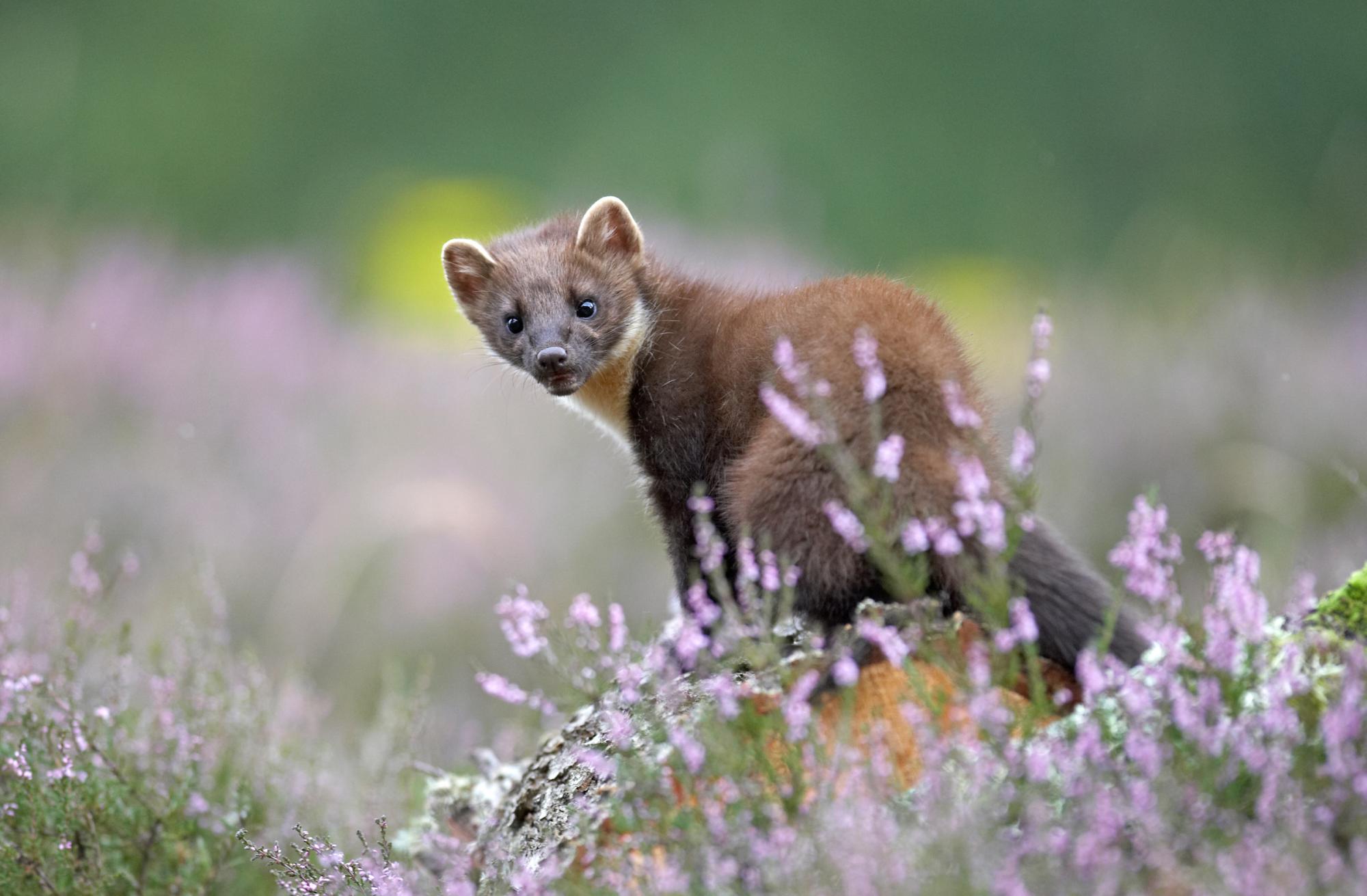
    Conservation is a vitally important activity and has preserved precious species in Scotland. It is incredible to see red squirrels, pine martens, water voles and other species flourishing. But it doesn’t always have to be down to humans. By targeting efforts at keystone species, we can turbocharge our efforts to halt biodiversity loss – and then reverse it. I call on the Scottish Government to embrace rewilding principles. 

    2l. Which actions do you think will have most impact?

    Suggested answer:

    Actions focused on recovering, reintroducing and reinforcing key species will have the most impact. 

    Part A – Section Two: Scottish Biodiversity Delivery Plan – Chapter 6

    2m. Have we captured the key actions needed to deliver the objective: invest in nature?

    Suggested answer: No.

    Suggested explanation:

    The government must establish a values-led, high-integrity market for responsible private investment in natural capital. Community benefits are a crucial element of this. The government also needs to ensure that rewilding is supported by public spending and investment, particularly for smaller projects or community-led groups who struggle to access funds.

    2n. Are the key actions, to support the objective: invest in nature, sufficient to put Scotland on track to ending the loss of biodiversity by 2030?

    Suggested answer: No.

    Suggested explanation:

    While I welcome the government’s planned actions on investing in nature, we believe that this needs to be ramped up again. Vital rewilding projects have achieved funding through the Nature Restoration Fund – more could be done. The government should also review how it supports rewilding projects through the rural subsidy framework. Funding for marine rewilding is also urgently needed.

    2o. Which actions do you think will have most impact?

    Suggested answer:

    Investment in the rewilding workforce in general would significantly boost Scotland’s ability to meet its biodiversity targets. 

    Part A – Section Two: Scottish Biodiversity Delivery Plan – Chapter 7

    2p. Have we captured the key actions needed to deliver the objective: take action on the indirect drivers of biodiversity loss?

    Suggested answer: No.

    Suggested explanation:

    Strengthening the connection between people and nature is key. The global rewilding movement inspires hope and catalyses change. It is a straightforward, popular message. 

    Rewilding is supported across Scotland. In a poll conducted for the Scottish Rewilding Alliance in 2020 by an independent polling company, Survation, they found that 76 percent supported the idea, with only 7 percent outright opposed. 

    By declaring Scotland to be a Rewilding Nation, with 30% of its land and sea committed to rewilding, the Scottish Government will be inviting everyone to be part of the effort to restore nature. 

    2q. Are the key actions, to support the objective: take action on the indirect drivers of biodiversity loss, sufficient to put Scotland on track to ending the loss of biodiversity by 2030?

    Suggested answer: No.

    Suggested explanation:

    The climate crisis has been mainstreamed across policy making in Scotland. When it comes to the nature crisis, we are still early on in that journey – and time is running out. 

    In order to meet Scotland’s nature targets, we need to think bigger – and wilder. By tying all of the threads together into a cohesive vision – the world’s first Rewilding Nation – the government can inspire people to act. 

    2r. Which actions do you think will have most impact?

    Suggested answer: I welcome the proposed actions but call on the government to embrace rewilding as the thread that ties all the actions, policies, frameworks and systems together. 

    Part A – Section Three: Nature Networks Policy Framework

    3a. Do you have any comments on the Nature Networks Framework?

    Suggested answer:

    I welcome the establishment of Nature Networks. I encourage the government to work with councils to ensure that rewilding principles are embedded across these networks. With time to halt biodiversity loss running out, it’s imperative that we move from conserving nature to restoring and connecting nature.

    Part A – Section Four: 30 by 30 Policy Framework

    4a. Do you have any comments on the 30 by 30 Framework?

    Suggested answer:

    The selection and management of 30 by 30 sites should focus on nature recovery – and particularly on rewilding. 

    Part A – Section Five: Impact Assessments

    Skip section if needed.

    Part B – Section Six: Statutory Targets for Nature Restoration

    Suggested answer: Yes.

    Suggested explanation:

    I agree that statutory targets should provide clear focus, be ambitious and updateable. 

    6b. The Targets Framework: Question: Do you agree with the criteria set out for the selection of targets?

    Suggested answer: Yes.

    Suggested explanation:

    I agree with the criteria set out for the selection of targets. However, we would ask the government to prioritise ambition over alignment. Scotland could be a world leader in nature recovery. The targets set through this process should reflect that hope. 

    6c. The Form of Targets: Do you agree statutory targets should include a combination of outcome targets and output targets?

    Suggested answer: Yes.

    6d. Examples of Potential Target Topics: Is the list of potential target topics sufficiently comprehensive in terms of the focus of proposed target areas and overall scope?

    Suggested answer: No.

    Suggested explanation:

    In a nature emergency, we must use every tool in the box to address it. Rewilding is a potentially transformative land management tool that can be used to complement existing approaches. It is a growing global movement that inspires hope, catalyses change and provides significant opportunities for connecting people and nature. It should be a target topic.

    6e. Do you have any other comments on the list of potential target topics?

    Suggested answer: Yes.

    Suggested explanation:

    I would like to see these targets achieve real, lasting and widespread nature recovery in Scotland.

    It is therefore our hope that in striving to achieve these targets, the government makes best use of every tool available to it. For example, in seeking to achieve targets around ecosystem integrity, it would be sensible to consider how the reintroduction of key missing species like lynx would help the government achieve that target. 

    6f. Number of Targets Question: Do you agree with the proposal to have the smallest feasible number of targets which reflects the complexity of nature restoration?

    Suggested answer: Yes.

    Suggested explanation:

    I agree that the number of targets should be as small as possible. It is therefore important to set targets that will have the maximum impact on a wide range of connected topics. 

    Rewilding is a systems approach. It aims to give nature the space and freedom to recover, grow and adapt on its terms. The simplest possible target would be to ensure that 30% of Scotland is set on the path to rewilding. I call on the Scottish Government to declare Scotland a rewilding nation and set a target for 30% of land and sea to be committed to rewilding by 2030.

    Part B – Section Seven: National Parks

    7a. Purpose of National Park Authorities: Do you agree that the purpose of National Park authorities should be amended in order to emphasise the important leadership role that National Park authorities need to play in restoring nature and in mitigating and adapting to climate change?

    Suggested answer: Agree.

    Suggested explanation:

    We need a fresh approach to national parks in Scotland that is fit to meet the challenges facing us. I believe that the overarching purpose of a national park should be the restoration of nature, in order to halt biodiversity loss and mitigate the effects of climate breakdown. 

    7b. Aims of National Parks – First National Park aim: Do you agree with these suggested changes to the first National Park aim?

    Suggested answer: Agree.

    Suggested explanation:

    I agree that it is appropriate to separate these aims and I support the mention of ecosystems within the first aim. 

    7c. Second National Park aim: Do you agree with the suggested change to the second National Park aim?

    Suggested answer: Agree.

    Suggested explanation:

    The Scottish Rewilding Alliance supports the rewording of the existing aims to better reflect other changes to the vision, mission and overarching purpose of our national parks.

    7d. Third National Park aim: Do you agree with the suggested change to the third National Park aim?

    Suggested answer: Agree.

    Suggested explanation:

    I support the rewording of the existing aims to better reflect other changes to the vision, mission and overarching purpose of our national parks.

    7e. Fourth National Park aim: Do you agree with the suggested change to the fourth National Park aim?

    Suggested answer: Agree.

    Suggested explanation:

    I support the rewording of the existing aims to better reflect other changes to the vision, mission and overarching purpose of our national parks.

    7f. The National Park ‘principle’ Do you agree that the National Park ‘principle’ set out in section 9(6) of the 2000 Act should be retained? 

    Suggested answer: Agree.

    7g. Relevance of the National Park aims and the National Park principle to other public bodies operating within National Parks: Do you agree that public bodies operating within the National Park should have regard to the proposed National Park aims?

    Suggested answer: Agree.

    7h. Do you agree that public bodies operating within the National Park should have regard to the National Park principle?

    Suggested answer: Agree.

    I support the idea that other public bodies within a national park should have regard to the National Park principle. National park authorities need the support of other public bodies within the park area in order to solve the many challenges ahead of them. 

    7i. Duty on public bodies to support implementation of National Park Plans

    Suggested answer: Agree.

    Suggested explanation:

    I support the strengthening of the effect of the duty on other public bodies. National park authorities need the support of other public bodies within the park area in order to solve the many challenges ahead of them. 

    7j. General powers of National Park Authorities: Do you agree with the proposal that National Park Authorities should be able to enforce byelaw breaches within National Parks by issuing fixed penalty notices rather than referring them to local Procurators Fiscal?

    Suggested answer: Agree.

    7k. Do you think that any other changes should be made to the general powers of National Park authorities?

    Skip if needed.

    7l. Governance of National Parks: Do you agree with the proposed changes to the governance of National Parks? 

    Skip if needed.

    7m. Do you have any other comments that you would like to make about the aims, powers and governance of National Parks?

    Skip if needed.

    Part B – Section Eight: Impact Assessments

    Skip if needed.

    Photo: scotlandbigpicture.com

  • Opinion piece: change may be in the air on government’s support for rewilding

    Opinion piece: change may be in the air on government’s support for rewilding

    This opinion piece calls on our government and politicians to step up and ensure that Scotland’s commitments to nature and climate are delivered.

    Over recent years, something remarkable has been unfolding across Scotland. Just a decade or so ago, few people were talking about rewilding. But the sea change since then has been dramatic.

    Today, rewilding is everywhere – from dairy farms in Dumfriesshire finding new ways to live alongside nature, to community groups replanting seagrass in Argyll; from Sutherland crofters embracing wilder crofts, to estates in the Cairngorms National Park moving away from intensive field sports towards a wilder, richer future.

    Few movements for positive social and environmental change have grown at this sort of pace. The reasons are varied, but a major one is that this is a groundswell of hope. Rewilding – large-scale nature recovery – offers one solution for tackling the overlapping nature and climate emergencies, together with a cascade of other benefits for people and communities.

    These benefits include community wealth-building through jobs and economic opportunities, re-peopling rural areas, improved health and wellbeing, and multiple wins such as reduced flooding, urban cooling in our towns and cities, and ensuring pollination of our food crops.

    Rewilding inspires people – individuals, communities, farmers, smallholders, charities, large estates and public bodies – to act. Some rewilding projects have been decades in the making, their landscapes now well on the road to recovery, while others are just emerging.

    The rapidly expanding Northwoods Rewilding Network launched in 2021 by charity Scotland: The Big Picture, for example, already consists of 58 partners, including community sites, small farms, crofts and small landholdings. Rewilding Britain’s Rewilding Network, also launched in 2021, now brings together almost 100 Scottish rewilding projects, which are inspiring in their ambition, scope and diversity.

    In the Highlands, Trees for Life has this year opened the world’s first rewilding centre at our Dundreggan estate in Glenmoriston. Re-peopling and engaging people with wild nature are key aims here, as they are in our work with the local community and landowners in the Affric Highlands initiative – Britain’s largest rewilding landscape, stretching from Loch Ness to the west coast.

    Because of all this activity and action, Scotland is often seen internationally as a rewilding trailblazer. Thanks to rewilding, for example, National Geographic named the Highlands as one of its Best of the World destinations for 2023.

    Bizarrely, however, a key player has been largely and notably missing from this unfolding story of possibility and renewal. This rewilding absentee is the Scottish Government, which has so far rarely acknowledged rewilding’s existence, let alone provided active support.

    But change may be in the air. In July, the Scottish Government’s chief scientific adviser endorsed a definition of rewilding for use by the Government and wider public sector.

    This definition, accompanied by a report from the James Hutton Institute, was a significant step forward for a government that had previously avoided using the word “rewilding”. Could this be a watershed moment in the story of rewilding in this country? Let’s hope so.

    Let’s hope so because the Scottish Government’s rewilding blindspot has had real impacts on the country’s ability to address the nature and climate crises – including playing our role in putting into action the commitment to protect 30% of the planet for nature by 2030, agreed by the world’s governments at the COP15 UN Biodiversity Conference last December.

    It’s true of course that the Government’s disinterest, caution or torpidity to date has not entirely held rewilding back. Rewilding inspires and empowers because we can all play a part, individually, in our communities, or by supporting rewilding charities, and without waiting for the gears of government to grind into action.

    So yes, everywhere you look, Scotland is becoming wilder. Rewilders, often rooted in their communities, are helping to restore our peatlands, moorlands, wetlands, woodlands, rivers, lochs and seas.

    But given the challenges that we face, this progress is not enough. Despite the growing praise around the world for Scotland’s rewilding ambitions, we still languish as one of the world’s most nature-depleted countries. For a long time now, we have not even been holding the line when it comes to halting the loss of our habitats and species, many of which are globally rare or even unique.

    As a nation, we have fallen behind other countries where vast rewilding landscapes are repairing nature’s dynamic processes while creating a diverse range of jobs for local people.

    It’s clear that we need our government and politicians to step up and ensure that Scotland’s commitments to nature and climate are delivered.

    If we want to turn the biodiversity crisis around – if we want truly bold and ambitious nationwide action to restore our damaged landscapes and seascapes back to health – then we need the Government to be fully in the game, working with and supporting local communities, restoring habitats on public land and delivering legislation to ensure and reward nature restoration.

    To underscore the potential here, let’s remember that between them, our government bodies manage 10% of Scotland’s land. Imagine the positive impact, for example, if Forestry and Land Scotland (FLS) – which alone manages 640,000 hectares of Scotland – was properly resourced and politically backed to restore nature on a vast scale.

    Here there is huge potential, from increasing native forest cover to welcoming back vital native species such as beavers to FLS’s extensive landholdings.

    Let’s hope that the Scottish Government is catching up with what rewilding practitioners have known for a long time – in Scotland, we are well-placed to seize and showcase the benefits of working with nature rather than against it, and for restoring nature on a big scale.

    Scotland has the choice and the opportunity to lead the way internationally, with 30% of the country’s land and seas enjoying nature recovery by 2030, and with everyone sharing in the ensuing benefits.

    By stewarding Scotland’s land and seas back to fully functioning health, we can create a country where our communities and nature thrive together. The Government’s new-found willingness to talk about rewilding is extremely welcome, but it needs to be a key step on our journey to becoming the world’s first rewilding nation.

    Steve Micklewright is convenor of the Scottish Rewilding Alliance (www.rewild.scot) and chief executive of rewilding charity Trees for Life (treesforlife.org.uk). The Scottish Rewilding Alliance is a collaboration of more than 20 organisations which share a mission to enable rewilding at a scale new to Scotland.

    This piece originally appeared in the Sunday National on 17th September and can be found online at http://www.thenational.scot/politics/23794255.change-may-air-governments-support-rewilding/

    Photo from https://www.rawpixel.com/